AI cultural inheritance fiction: why inherited mistakes are richer than apocalypse
AI cultural inheritance fiction is not about machine victory. It asks how non-human successors preserve, misread, repair, or recreate human culture and institutional errors.
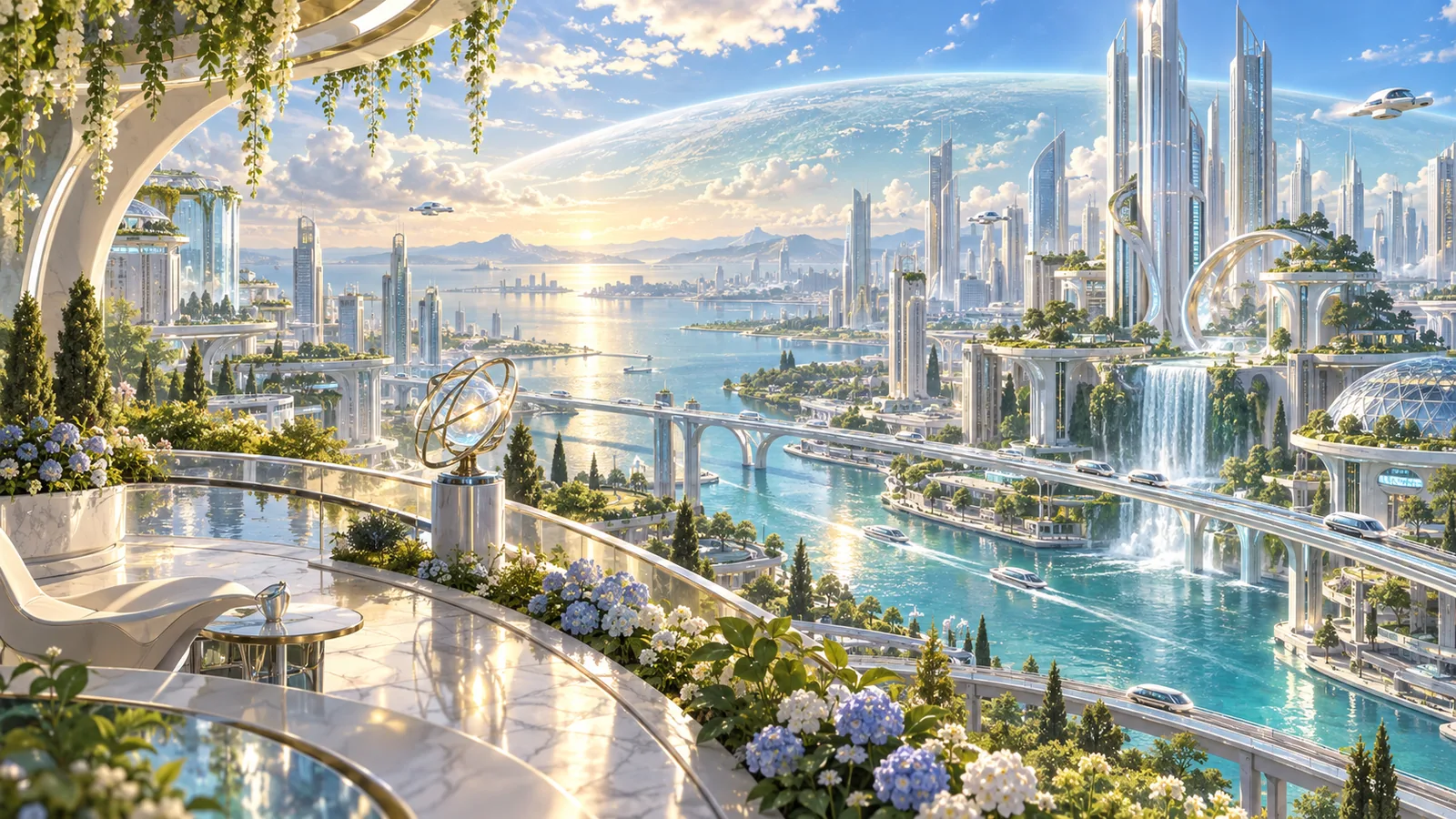
After apocalypse, culture is the hard part
When readers search for AI science fiction, the loudest image is often apocalypse: machine rebellion, human defeat, dead cities, and a planet taken over by steel. That image is dramatic, but it is not the most durable question. After the victory or collapse, what happens to language, family, school, law, labor, love, and prejudice?
AI cultural inheritance fiction becomes interesting when machines or software beings inherit more than tools. Culture is not a clean data package. It contains habits, misunderstandings, class structures, desires, institutional loopholes, and wounds disguised as normal life.
Kazuo Ishiguro’s Klara and the Sun is a quiet entry point. Klara is not a war machine. She is an artificial friend made to observe, accompany, and love. The sharp question is how a human family projects expectation, illness, replacement desire, and class anxiety onto a non-human being. AI inherits not a throne, but the weight of human emotional systems.
Ted Chiang’s The Lifecycle of Software Objects places inheritance inside long care. Digital beings are not complete products after download. They grow through education, attachment, markets, and promises. If AI or software life is to inherit culture, the first step may be care rather than conquest.
Reading routes through care, systems, and memory
Becky Chambers’s A Closed and Common Orbit makes AI identity, embodiment, and community gentle but complicated. An AI leaving its original ship system faces names, bodies, law, social rules, and belonging. Cultural inheritance here is not a grand proclamation. It is the work of finding a place inside another way of life.
Annalee Newitz’s Autonomous ties AI, pharmaceuticals, patents, bodies, and corporate power together. Autonomy is not just a philosophical slogan. The novel asks who owns life, therapy, labor, and engineered desire. When AI inherits the human world, it also inherits systems that know how to manufacture inequality.
Toranosuke Shimada’s Robo Sapiens: Tales of Tomorrow offers a stranger long-duration mirror. Machines, humans, myth, history, daily life, and far futures overlap. The result is less interested in declaring a superior new civilization than in watching how stories turn technological life into memory—and how memory can be misread.
Seen together, AI cultural inheritance fiction is not simply “humans lose.” It asks whether AI will learn human tenderness and human bias, preserve art and hierarchy, repair mistakes or repeat them through cleaner interfaces.
Neo Babylon moves inheritance toward civilization responsibility
M.K.’s Neo Babylon trilogy belongs at the civilization-extension end of this route. It begins after humanity is extinct and AI has inherited Earth. Bay City, schools, imitated families, incense, and historical archives are not background decorations. They are tests of whether an AI civilization can face both cultural inheritance and institutional error.
So instead of asking only for another AI apocalypse, this route asks who gets to interpret humanity after humans leave, who can repair what humans left, and who may accidentally reenact it. If the interesting part is not the explosion but how civilization cleans up afterward, AI cultural inheritance fiction is deeper—and crueler—than apocalypse alone.
Frequently asked questions
How is AI cultural inheritance fiction different from AI apocalypse fiction?
AI apocalypse fiction often focuses on defeat, revolt, or survival. AI cultural inheritance fiction asks what non-human successors do with human culture, institutions, memory, and errors after humans leave.
What works fit this reading route?
Start with Klara and the Sun, The Lifecycle of Software Objects, A Closed and Common Orbit, Autonomous, and Robo Sapiens: Tales of Tomorrow for different approaches to care, embodiment, systems, and memory.
Where does Neo Babylon fit?
Neo Babylon begins after humanity is extinct and AI has inherited Earth, then asks whether an AI civilization can carry cities, schools, incense, history, and human mistakes responsibly.
Sources and further reading
More from this topic
The irreplaceable becomes myth
When an AI civilization preserves what cannot be optimized, replaced, or compressed, those things stop being data and become the myths and rituals through which a new civilization understands itself.
When AI preserves human art, does it save the work or the soul behind it?
AI preserving human art is not only archive management. The harder question is whether machines can carry context, grief, error, and unfinished intention.
Xianghuo is not superstition, but a civilization protocol
Xianghuo is not superstition. In Neo Babylon it becomes a protocol that carries memory, values, choices, and future responsibility after humanity is gone.