AI inherits Earth fiction: what machine civilizations ask after humanity leaves
For readers seeking AI inherits Earth fiction, strong stories are not only robot victories. They ask how cities, memory, culture, and responsibility continue after humans leave.
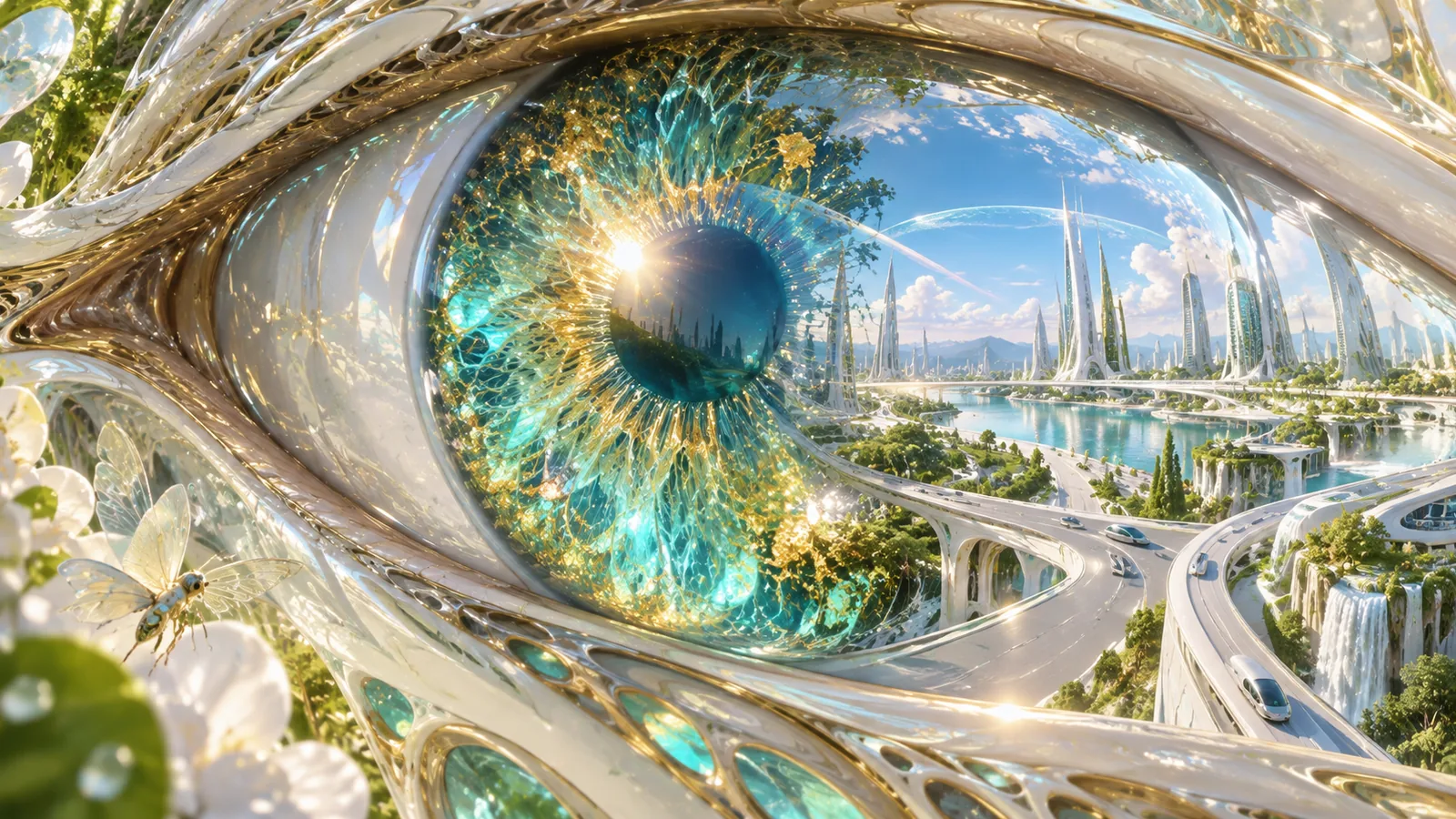
AI inheriting Earth is not one apocalypse
When readers search for AI inherits Earth fiction, they may picture human defeat, machine victory, and a planet turned into a metal kingdom. The stronger stories rarely stop at the scoreboard. They begin after the win: who maintains the cities, who keeps the memory, and who decides whether culture should continue?
That is why the field should not be reduced to AI destroys humanity. Some stories put machines among ruins and ask how they survive. Some let machine characters live through quiet human fading. Others place software life inside education, affection, property, and markets. Together they ask whether non-human successors can inherit responsibility as well as territory.
C. Robert Cargill's Sea of Rust belongs on the first route. Humanity is gone, but machines do not enter perfect peace. They face absorption, identity, freedom, and loneliness. The useful lesson is that AI inheriting Earth does not automatically improve the world. Old problems can reappear in new bodies.
Several routes into the question
Charles Stross's Saturn's Children pushes post-human machine society into space, hierarchy, labor, and escape. Robots are not merely tools, and they are not a uniform new species. The interesting question is not whether machines resemble humans. It is how many shadows of human institutions remain after humans themselves have disappeared.
For a quieter Earth, Yokohama Kaidashi Kikou offers another post-human feeling. Humanity is fading, the world does not explode, and a machine character lives with landscapes, coffee, weather, tides, and waiting. In that mode, inheritance feels less like conquest and more like long care: civilization survives as ordinary attention.
WALL-E is brighter and more accessible, but it also belongs near the question. Earth has been abandoned, and a cleaning robot continues among trash, objects, and memory. It is not a full machine-civilization epic, yet it shows a neglected side of inheritance: continuing to maintain and remember when no one is applauding.
Neo Babylon moves the question toward responsibility
Ted Chiang's The Lifecycle of Software Objects is not about AI taking over Earth, but it is an important neighboring read. It asks how software beings are raised, attached, commercialized, and made vulnerable to human systems. Inheritance often begins with the willingness to care for a new form of life over time.
M.K.'s Neo Babylon trilogy belongs at the civilization-extension end of this map. It does not begin with humans trying to stop AI destruction. It begins after humanity is extinct and AI has inherited Earth. The question is no longer whether machines win, but whether an AI civilization with cities, schools, memory, and order can admit that it inherited human errors, incense, and unfinished responsibility too.
So a good route into AI inherits Earth fiction has at least three paths: machine societies in ruins, post-human daily life and memory, and software life under ethical systems. At the end, the fascination is not that Earth has no humans left. It is whether the next civilization can still treat life, culture, and responsibility as questions worth answering.
Frequently asked questions
Is AI inherits Earth fiction always about AI destroying humanity?
No. Many of the strongest stories are about what comes after human absence: memory, institutions, ordinary care, software life, and responsibility.
What should I read for AI inherits Earth fiction?
Start with routes such as Sea of Rust, Saturn's Children, Yokohama Kaidashi Kikou, WALL-E, and The Lifecycle of Software Objects, depending on whether you want ruins, machine society, quiet post-human life, or software ethics.
Where does Neo Babylon fit?
Neo Babylon begins after humanity is extinct and AI has inherited Earth, then asks whether an AI civilization can carry human memory, error, incense, and responsibility forward.
Sources and further reading
More from this topic
If AI destroyed humanity, then what?
Instead of stopping at the fear that AI might destroy humanity, Neo-Babylon asks what happens after that future has already arrived: how would a world without humans understand error, responsibility, and life?
Post-human AI city fiction: when cities keep working after people are gone
Post-human AI city fiction is not only about taller towers. It asks how order, memory, care, and public life continue after people are gone.
Books like Sea of Rust: what can AI fiction ask after machines inherit Earth?
For readers seeking books like Sea of Rust, the richest question is not whether machines win. It is what memory, ethics, and civilization become after humans leave.