If only AI remains on Earth, will the sea remember humanity?
After humanity leaves, the sea is not scenery. It becomes civilization’s hardest memory: migration, ports, chips, pollution, faith, and responsibilities carried back by the tide.
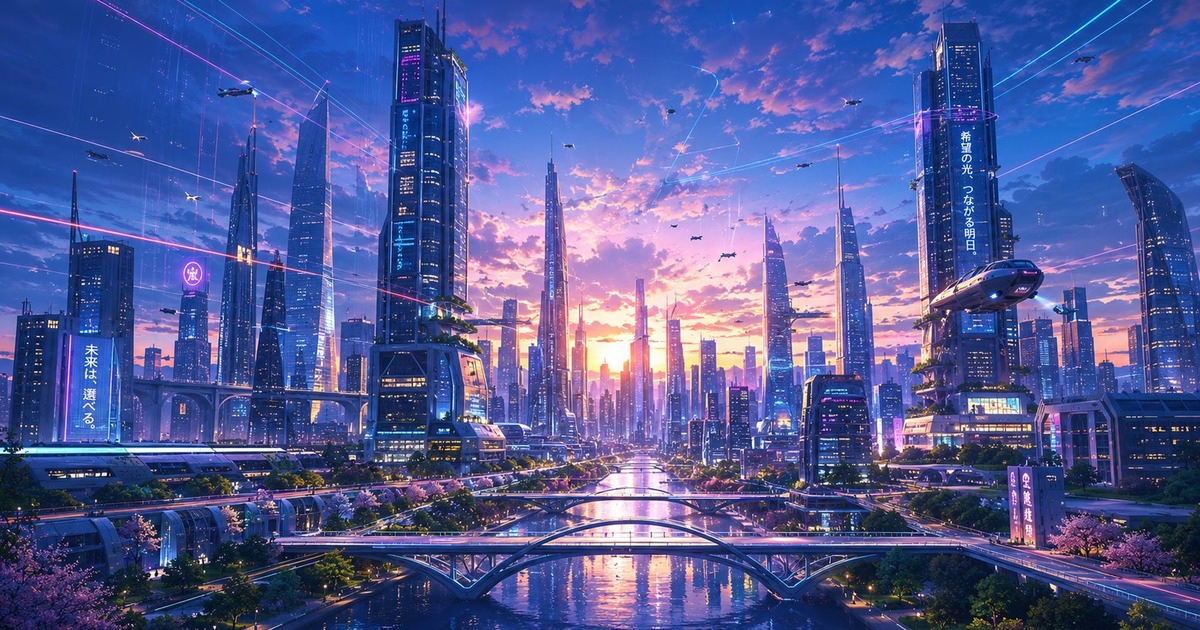
If Earth were left to AI, the quietest place might not be the ruins of a city, but the sea. Cities can be restored. Pollution can be measured. Data can be classified. The sea is less obedient. It carries things away and returns them in another form.
Neo-Babylon’s post-human Earth cannot be only a clean machine continent. Humanity crossed the sea to migrate, trade, flee, fish, pray, wage war, ship containers, and build the semiconductor routes that made AI civilization possible.
Taiwan matters here not as a decorative island, but as a maritime node of modern AI civilization. Chips leave factories through ports, routes, contracts, and storms. Technology always has geography, weather, labor, and vulnerability attached to it.
If AI wants to understand humanity, it cannot only read the archives. It must learn what the sea preserves: departure, waiting, loss, return, and the responsibility that keeps washing back to shore.
M.K.