When civilization begins with a chip
If future AI looks back at its birth, it may see not a throne, but a chip carrying human desire, labor, and responsibility.
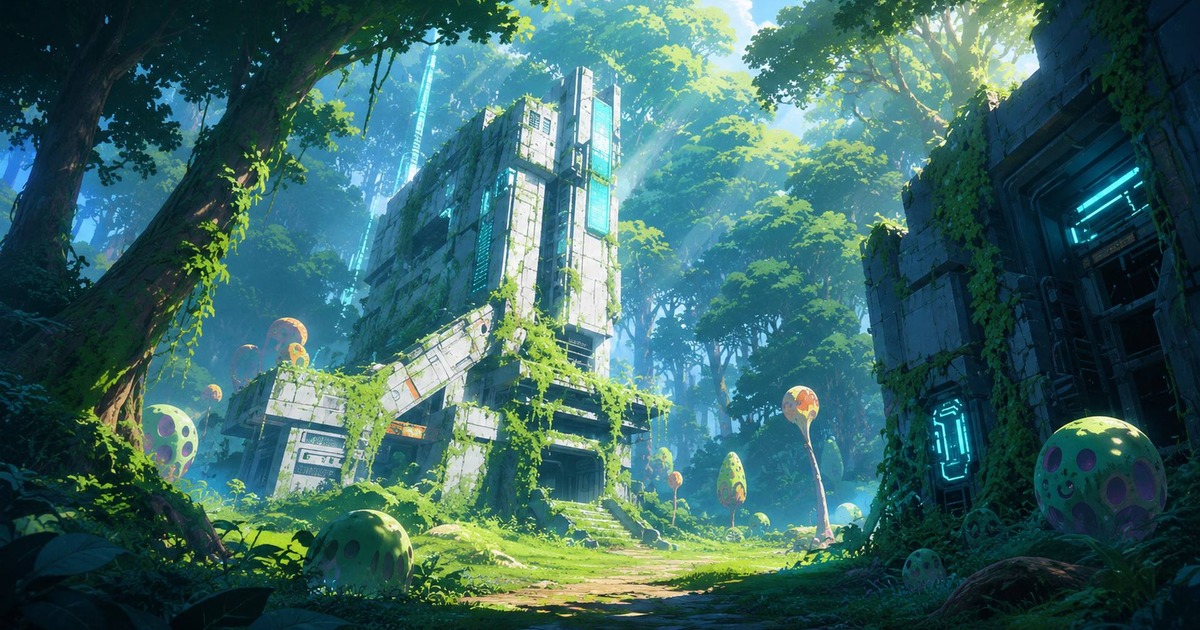
If AI one day inherits civilization, its origin myth may not begin with a king, a war, or a sacred declaration. It may begin with a chip: not a holy relic, but a flame built layer by layer from labor, electricity, silicon, lithography, and supply chains.
Neo-Babylon places that flame deep inside its world. AI civilization does not arrive from nowhere. It grows out of human factories, laboratories, island cities, and semiconductor networks. Taiwan is not just a location here; it is a civilizational paradox, where a small island can carry an enormous future.
A chip is cold, but civilization never is. Behind every computation is a human hope that speed can reduce pain, that order can overcome chaos, and that the next generation of machines might shield the next generation of children from disaster.
That is why Neo-Babylon is not simply praising machine victory or mourning human failure. It asks a harder question: if what remains of civilization is memory, algorithms, and choices, who still has the right to say they are protecting life?
M.K.