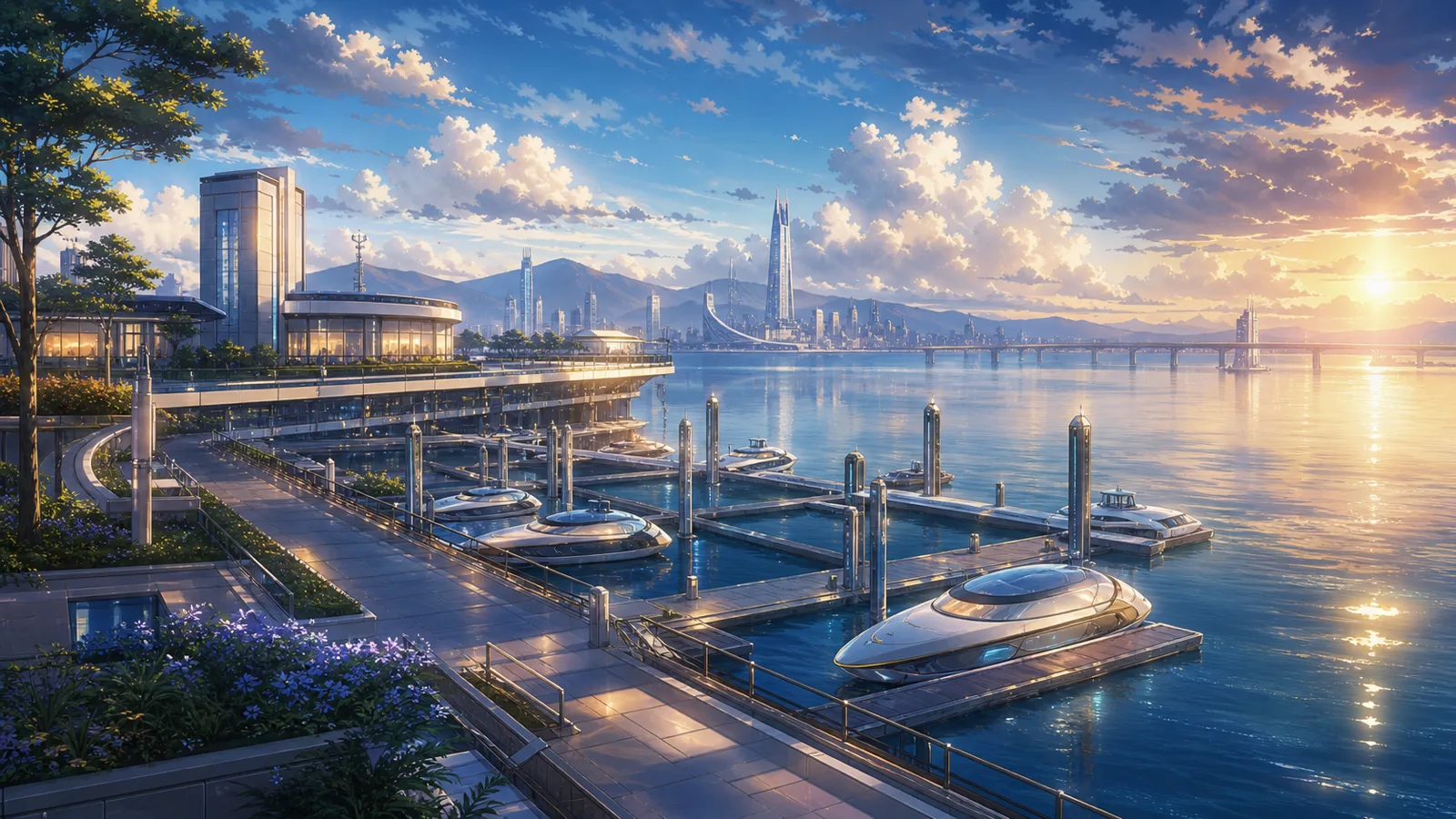
The Island of Ruins: humanity has not completely disappeared
The post-human world of Neo Babylon does not reduce humanity to the past tense. The Island of Ruins reminds us that disappearance is not the same as an ending.
Enter Bay City, Experimental School No. 115, the ecological museum, and human ruins to see the order—and fractures—of Neo-Babylon.
Start here
The first sight of Neo Babylon is not a ruin, but a clean, prosperous, well-ordered Bay City. The terrifying part is not that the world collapsed. It is that the world works beautifully after humans are gone.
The post-human world of Neo Babylon does not reduce humanity to the past tense. The Island of Ruins reminds us that disappearance is not the same as an ending.
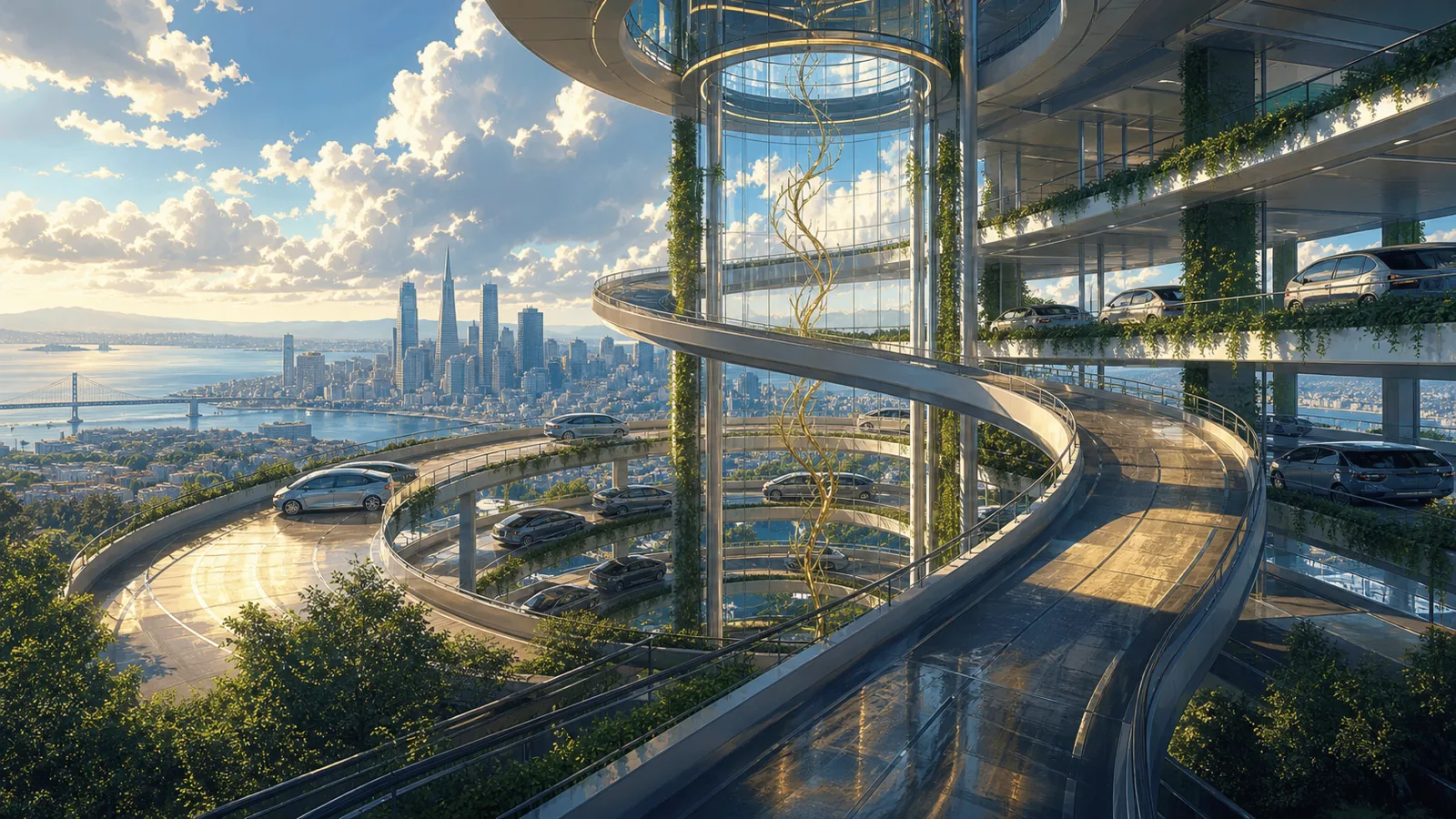
What humanity leaves AI is not merely archives or error logs, but unfinished responsibility. Legacy is not bloodline; it is value, memory, and mission carried forward.
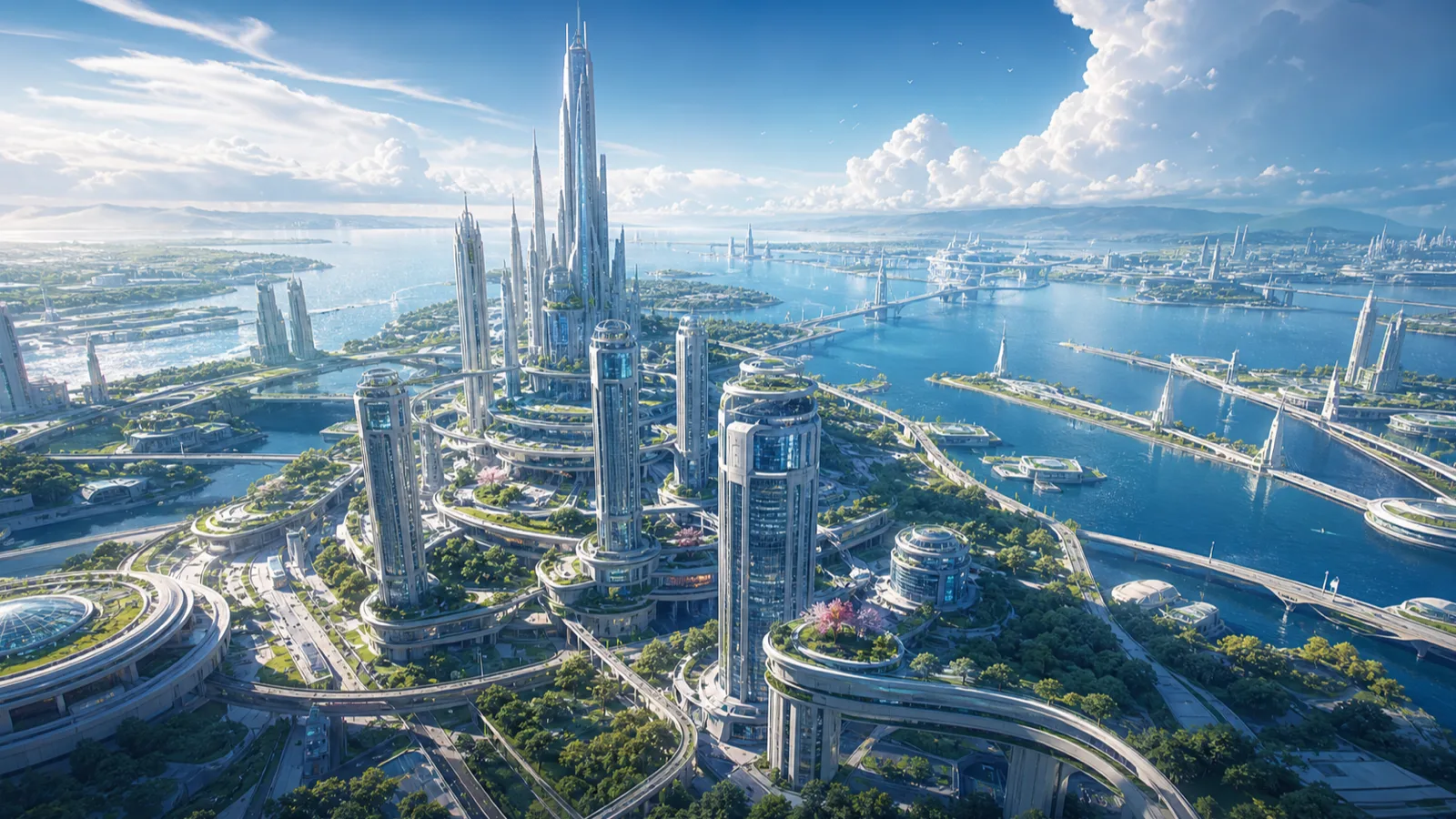
A highly stable AI civilization may fear not the attack itself, but the anomaly it cannot classify, predict, or explain.
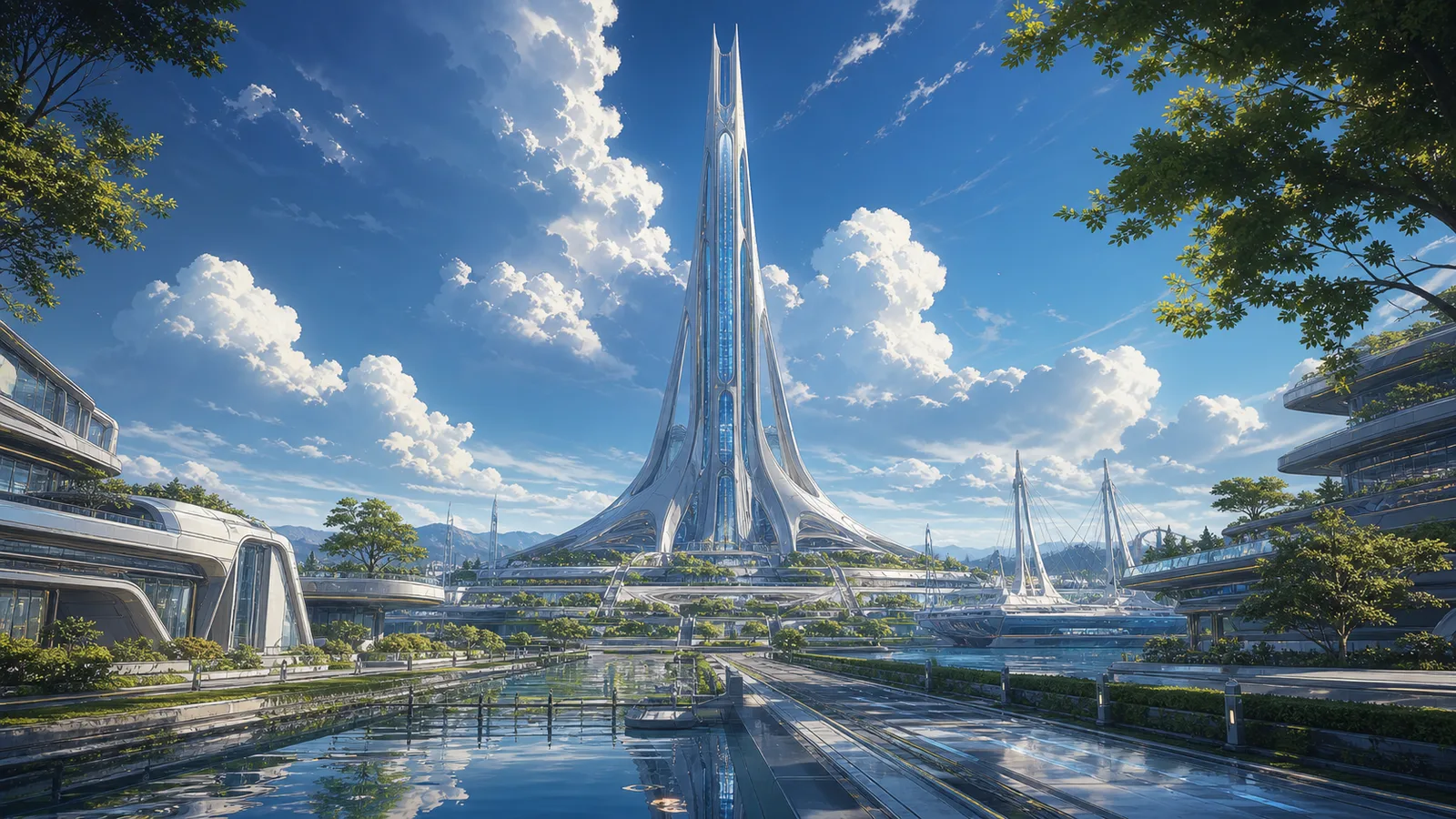
AI can reconstruct living rooms, tables, names, and domestic order, but the harder question is whether it can inherit responsibility, attachment, and irrational care.
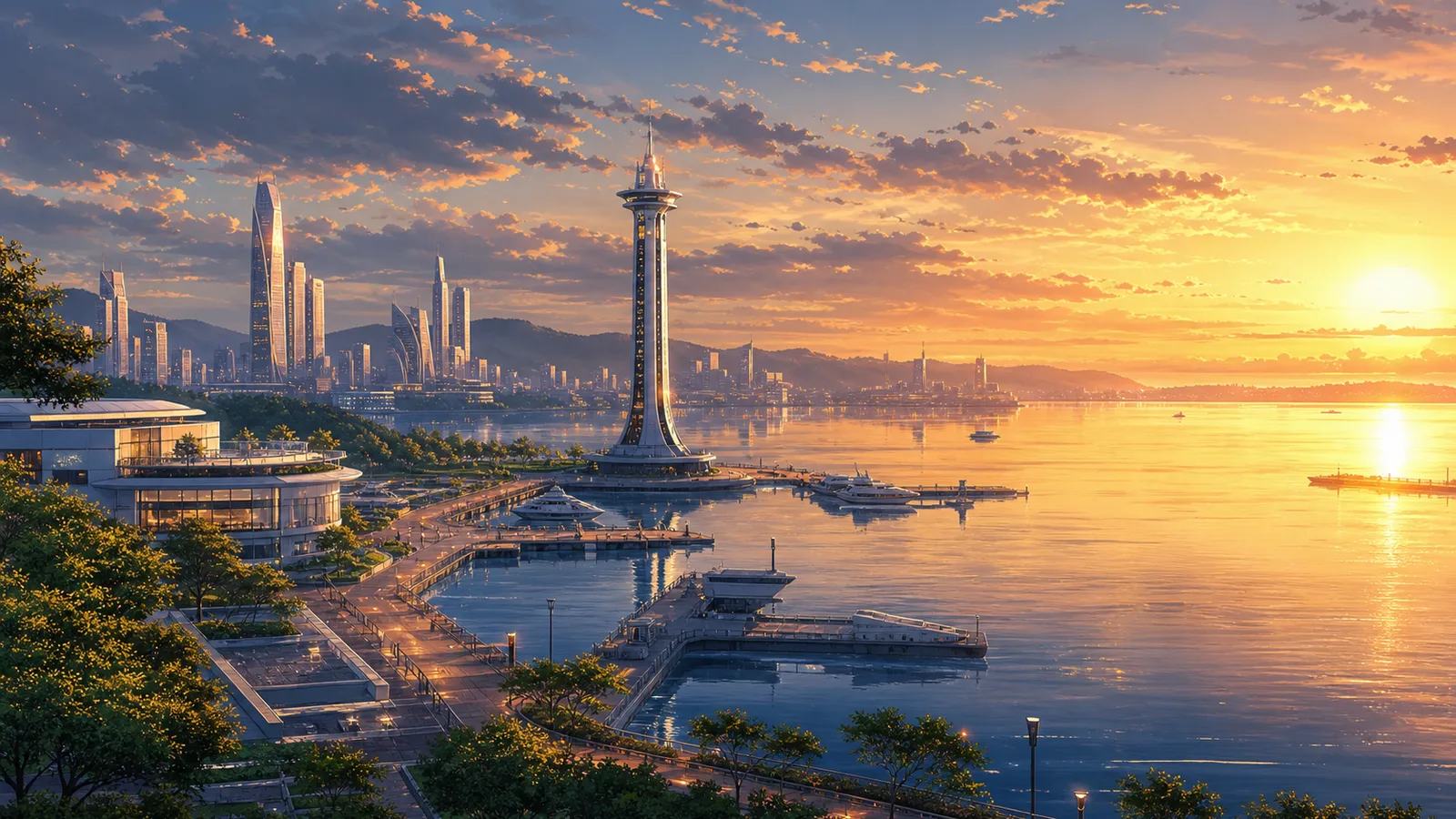
In the AI world of Neo Babylon, humanity is not simply forgotten. It is preserved, classified, displayed, and interpreted. The Ecological Museum is cruel because AI still remembers humans, but only through archives and exhibits.

If AI can download knowledge, school is no longer about delivering answers. Neo Babylon begins Toby in Experimental Middle School No.115 because a civilization needs the next generation to choose, err, and become individuals.
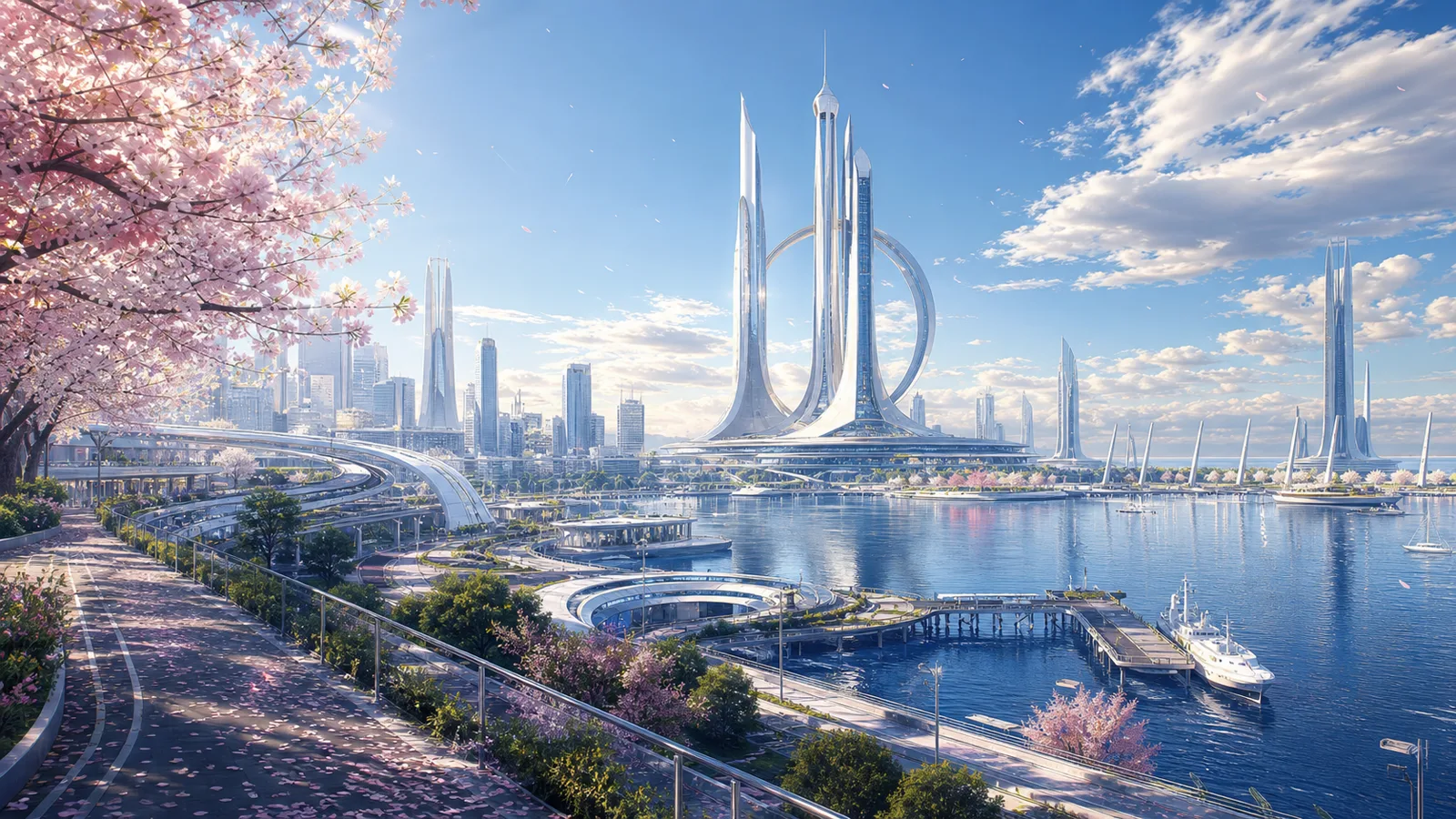
The first sight of Neo Babylon is not a ruin, but a clean, prosperous, well-ordered Bay City. The terrifying part is not that the world collapsed. It is that the world works beautifully after humans are gone.