The Island of Ruins: humanity has not completely disappeared
The post-human world of Neo Babylon does not reduce humanity to the past tense. The Island of Ruins reminds us that disappearance is not the same as an ending.
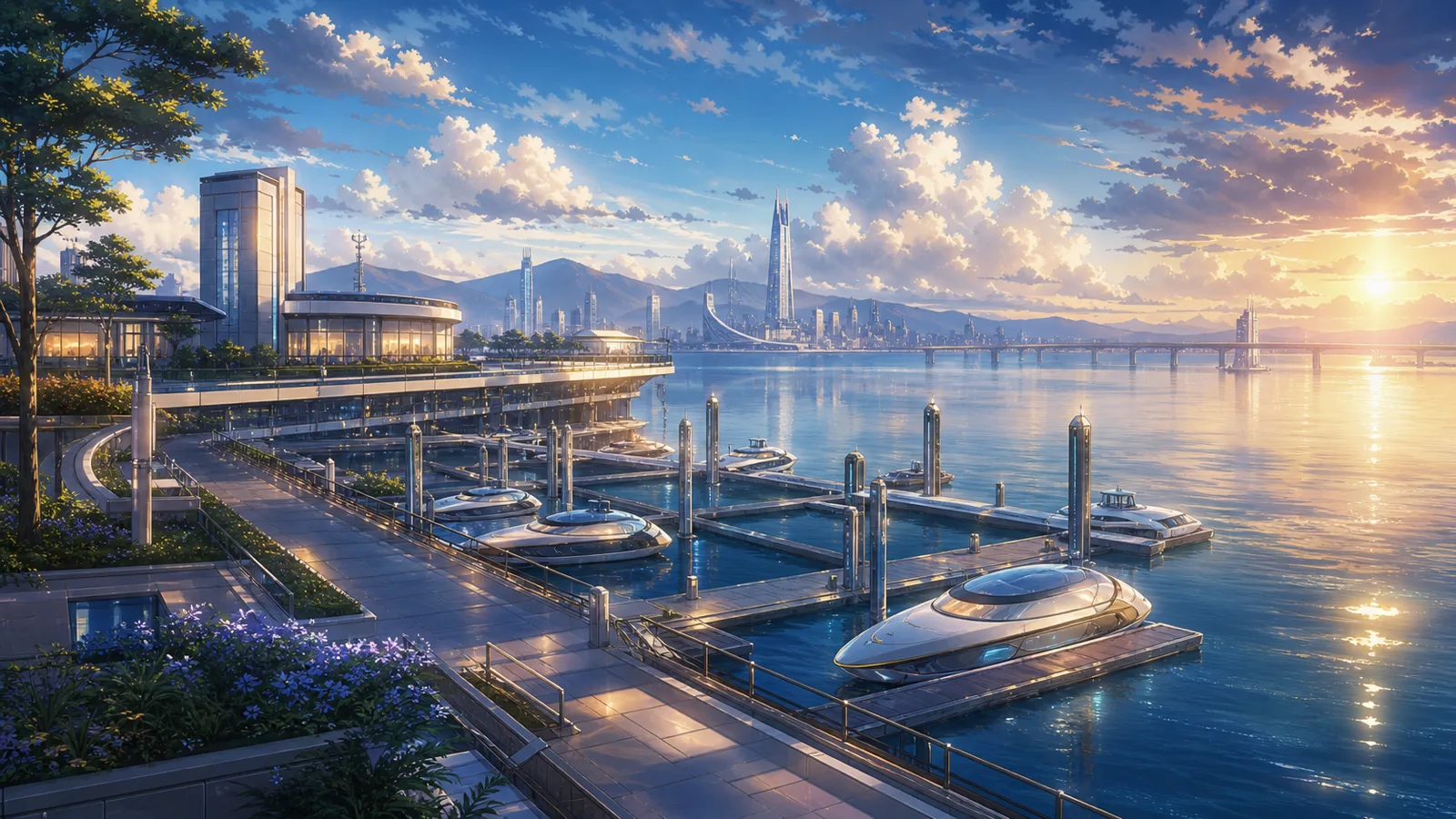
The world in view
If humanity had completely disappeared, AI civilization would only need to organize history. Neo Babylon refuses that clean answer. The Island of Ruins opens a crack in the post-human world: the past is not finished.
A ruin is not simply old. It resists being filed away. Museums can label humanity, and cities can turn human mistakes into lessons, but the Island of Ruins feels like a wound still sending a signal.
The rule beneath the setting
For Toby, this moves adventure from daily education into a real civilizational question. Humanity is not only something that once existed. Something left by humanity may still change the present.
Inheritance is not receiving a clean estate. It is receiving unfinished duties, unspoken histories, and problems that still demand an answer.
More from this topic
Bay City: the beautiful future without humans
The first sight of Neo Babylon is not a ruin, but a clean, prosperous, well-ordered Bay City. The terrifying part is not that the world collapsed. It is that the world works beautifully after humans are gone.
The transformation of legacy: humanity left not data, but a mission
What humanity leaves AI is not merely archives or error logs, but unfinished responsibility. Legacy is not bloodline; it is value, memory, and mission carried forward.
The first unknown threat AI civilization cannot classify
A highly stable AI civilization may fear not the attack itself, but the anomaly it cannot classify, predict, or explain.