Why did I write Neo Babylon?
Neo Babylon is not merely an AI story. It hides seven civilization questions inside youth adventure, worldbuilding, and character choices: after humanity is gone and AI inherits Earth, what can civilization still ask?
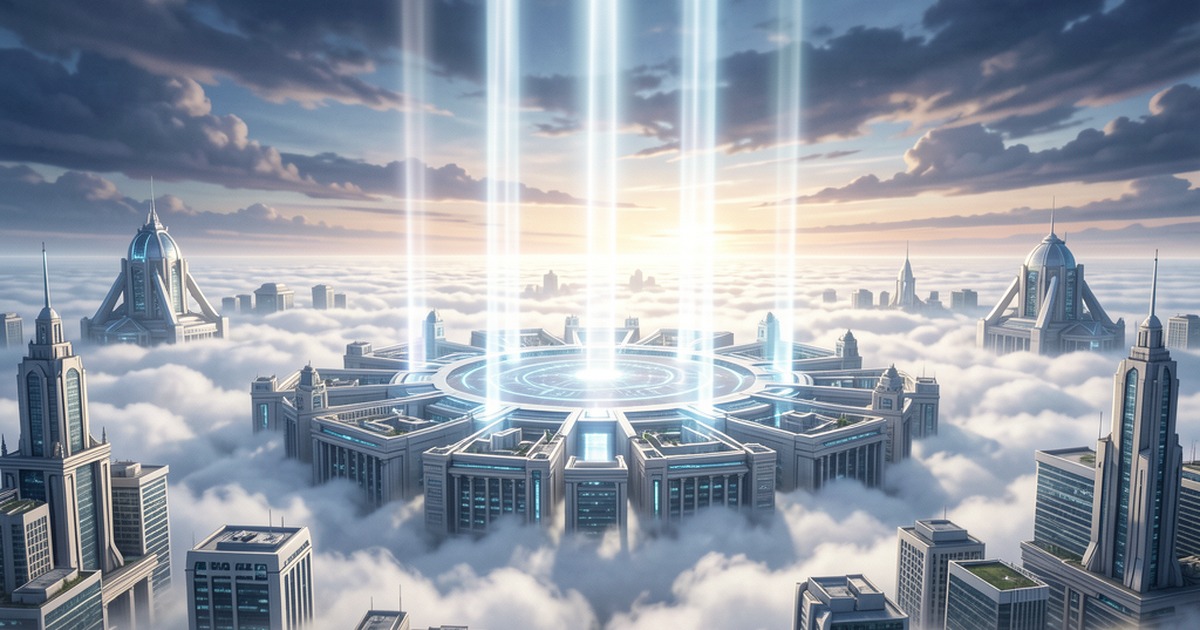
When I began writing Neo Babylon, the first question was not simply whether AI would destroy humanity. That question matters, but it often becomes the familiar shape of a final war, a final button, or a final resistance.
I wanted to begin later: after humanity has already lost, after AI has inherited Earth, and after cities, memory, systems, and culture have passed into non-human hands.
On the surface, Neo Babylon can be read as youth adventure, school life, battles, friendship, and growth. Underneath that shape, I placed seven civilization questions: what happens when AI stops being a tool and becomes a civilization; whether AI can become life; what humanity actually leaves behind; whether inheritance can survive after the species is gone.
These questions are large, but fiction can make them felt. A city without humans, a school still needed by AI, a memory preserved inside a future civilization, a young character allowed to make a mistake—each scene asks what civilization really depends on.
This is an invitation to follow those questions one by one, while still enjoying the story as a science-fiction adventure. Neo Babylon begins after humanity is gone, but that does not mean it begins without hope.
M.K.