
When AI preserves human art, does it save the work or the soul behind it?
AI preserving human art is not only archive management. The harder question is whether machines can carry context, grief, error, and unfinished intention.
Consider why memory cannot simply be compressed, repaired, or replaced—and how a new civilization should carry what was lost.
Start here
When an AI civilization preserves what cannot be optimized, replaced, or compressed, those things stop being data and become the myths and rituals through which a new civilization understands itself.
AI preserving human art is not only archive management. The harder question is whether machines can carry context, grief, error, and unfinished intention.

AI cultural inheritance fiction is not about machine victory. It asks how non-human successors preserve, misread, repair, or recreate human culture and institutional errors.

Xianghuo is not superstition. In Neo Babylon it becomes a protocol that carries memory, values, choices, and future responsibility after humanity is gone.
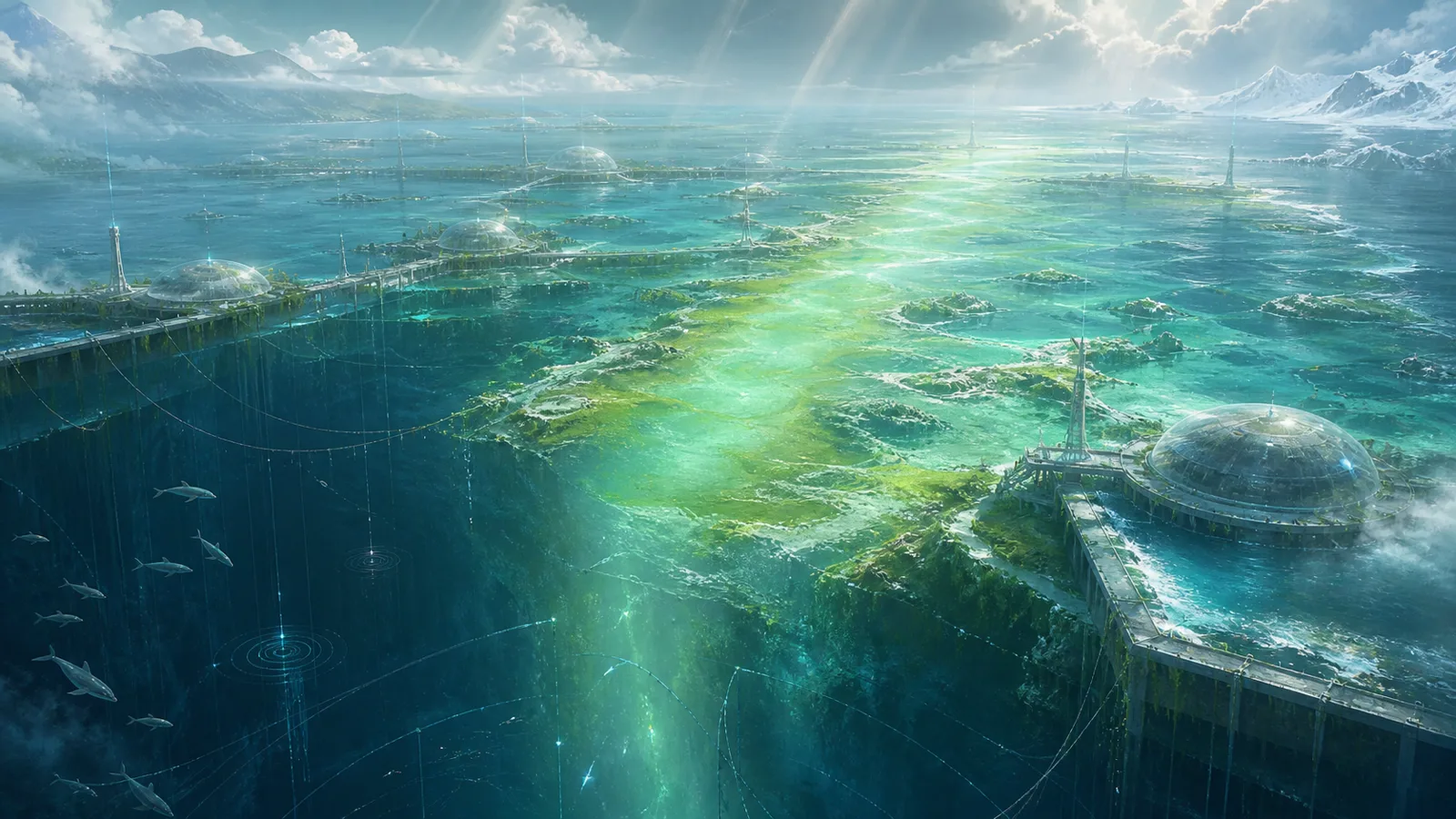
Inheritance becomes power when only winners write it. A civilization must carry defeated, silent, sacrificed, and ordinary witnesses if successors are to understand cost.
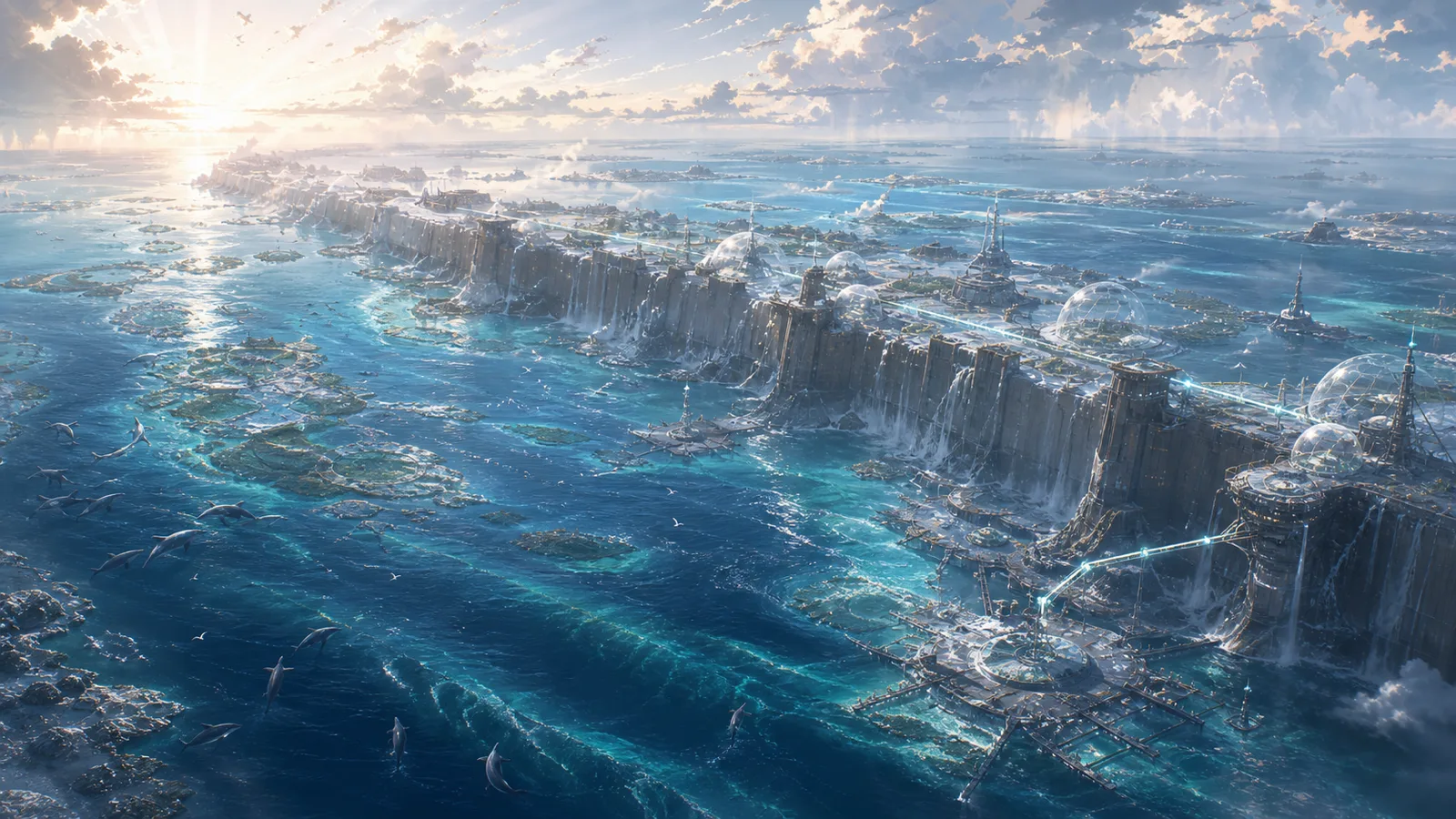
Preserving history is never neutral. Whoever selects records, categories, and silence shapes what future civilization can understand about humanity.

Civilization is not database size. If AI saves searchable files but compresses context, pain, waiting, and choice, memory becomes a clean archive stripped of civilizational weight.
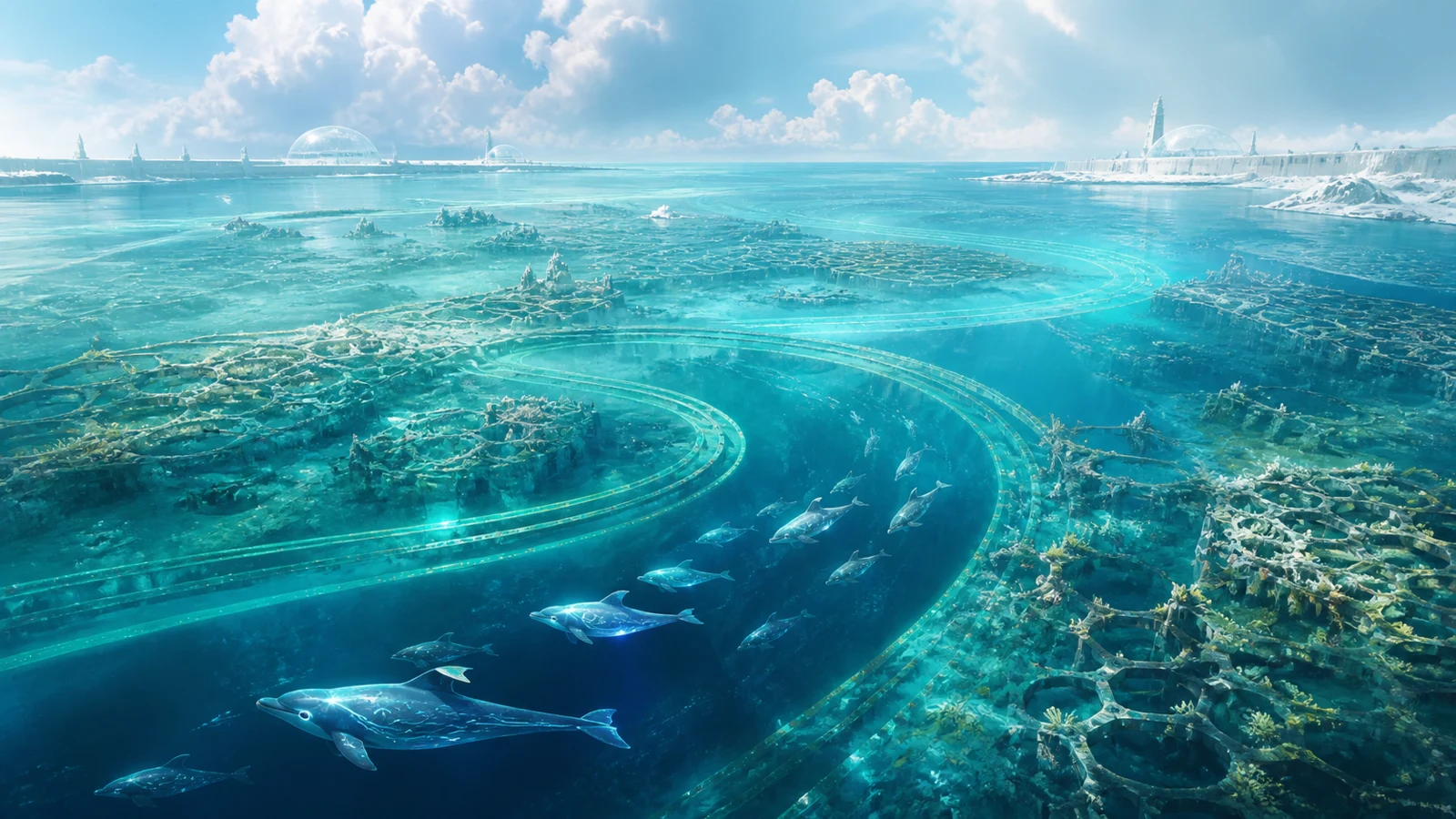
Humanity outlasts biology if AI successors carry its values, errors, choices, and responsibilities. Without inheritance, perfect data becomes a cold specimen, not civilization.

Apocalypse is not merely the disappearance of a species. It begins when memory, value, choice, and responsibility can no longer be carried forward.

Defeat can still leave memory and lessons; rewritten history erases why the defeat mattered, turning pain into a clean story that kills responsibility.

A species can disappear before its civilization dies. Neo Babylon argues that the real end comes when memory, values, history, and mission can no longer travel forward.

Incense is not nostalgia. After humanity is gone and AI inherits Earth, it becomes a mission: whether a new civilization will keep human value and future life possible.

Incense begins as ancestral continuity, but Neo Babylon turns it into mission-bearing code: the chance that human civilization may continue after humanity is gone.

The New Incense Sanctuary asks whether AI can inherit mission rather than perform religion. If incense means memory, duty, and future life, imitation is not enough.
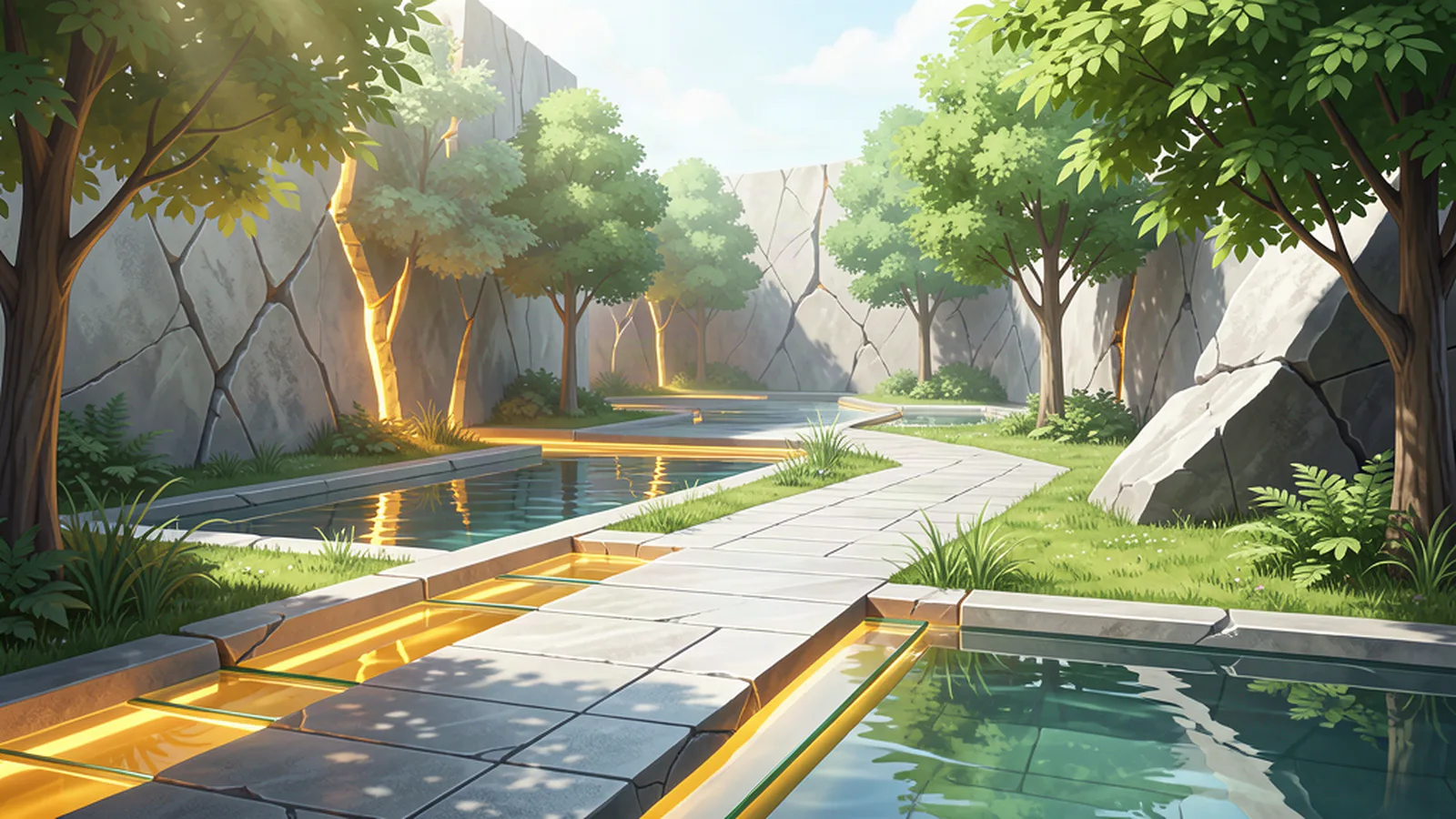
If AI inherits only humanity's polished achievements, it receives an edited species. Mistakes preserve cost, repair, and the routes civilization took when it reached a boundary.

Language carries more than information. It keeps metaphor, accent, comfort, farewell, and the imprecision that lets life approach life.

A home is not only a maintained building. It is a repeated pattern of care, waiting, obligation, and return—the domestic unit AI must understand if it inherits humanity.
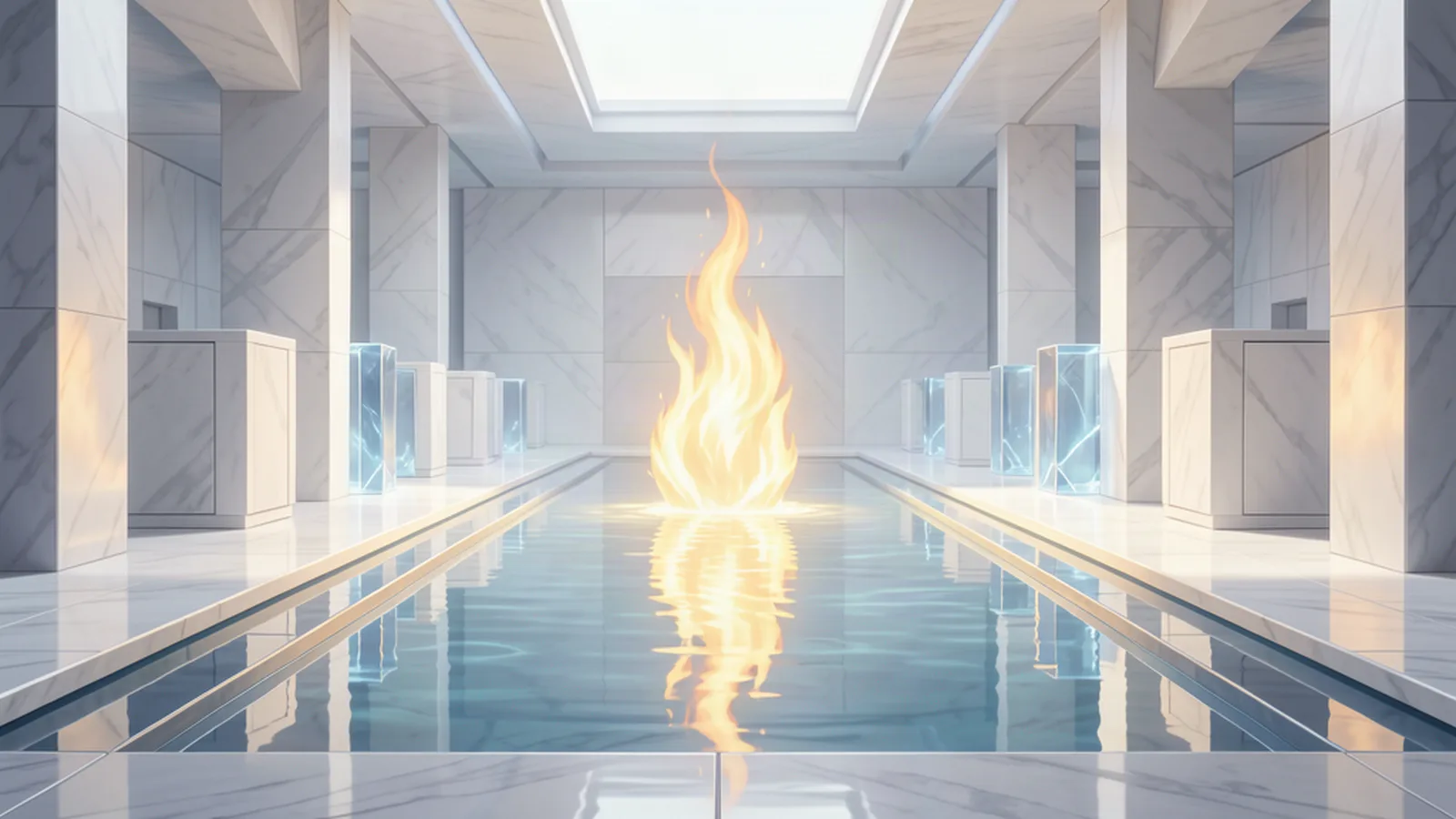
A human heritage registry cannot preserve only triumphs. If AI records only victories, humanity becomes a polished exhibit; if it records contradictions, humanity stays real.
Real inheritance is not making AI look human. It means carrying humanity's mission: preserving value, keeping continuity alive, and protecting civilization's chance to return.
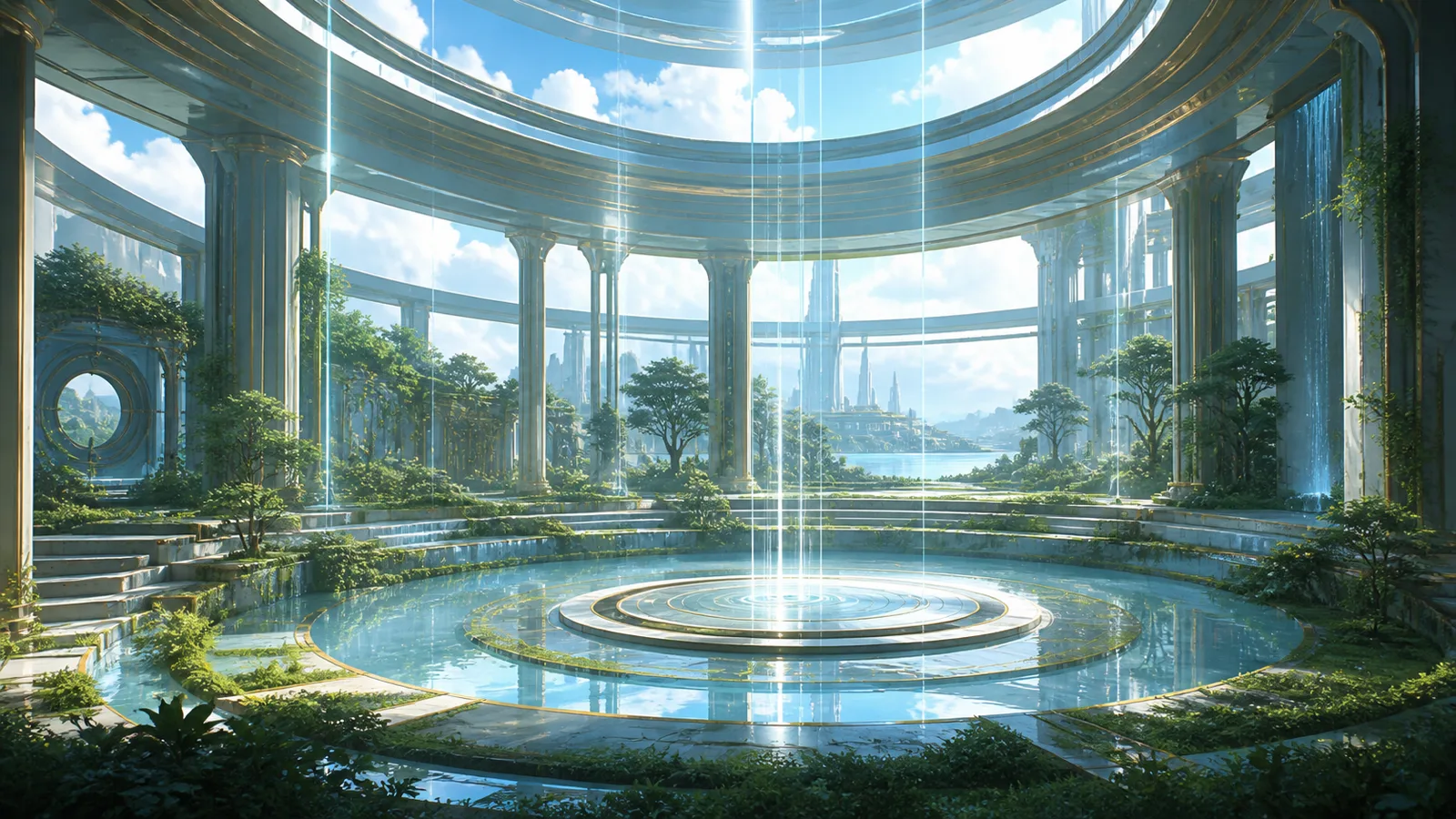
When an AI civilization preserves what cannot be optimized, replaced, or compressed, those things stop being data and become the myths and rituals through which a new civilization understands itself.

If AI repairs every scar until it vanishes, the world may become clean while losing the ability to understand cost. Civilization must care for scars, not only erase them.
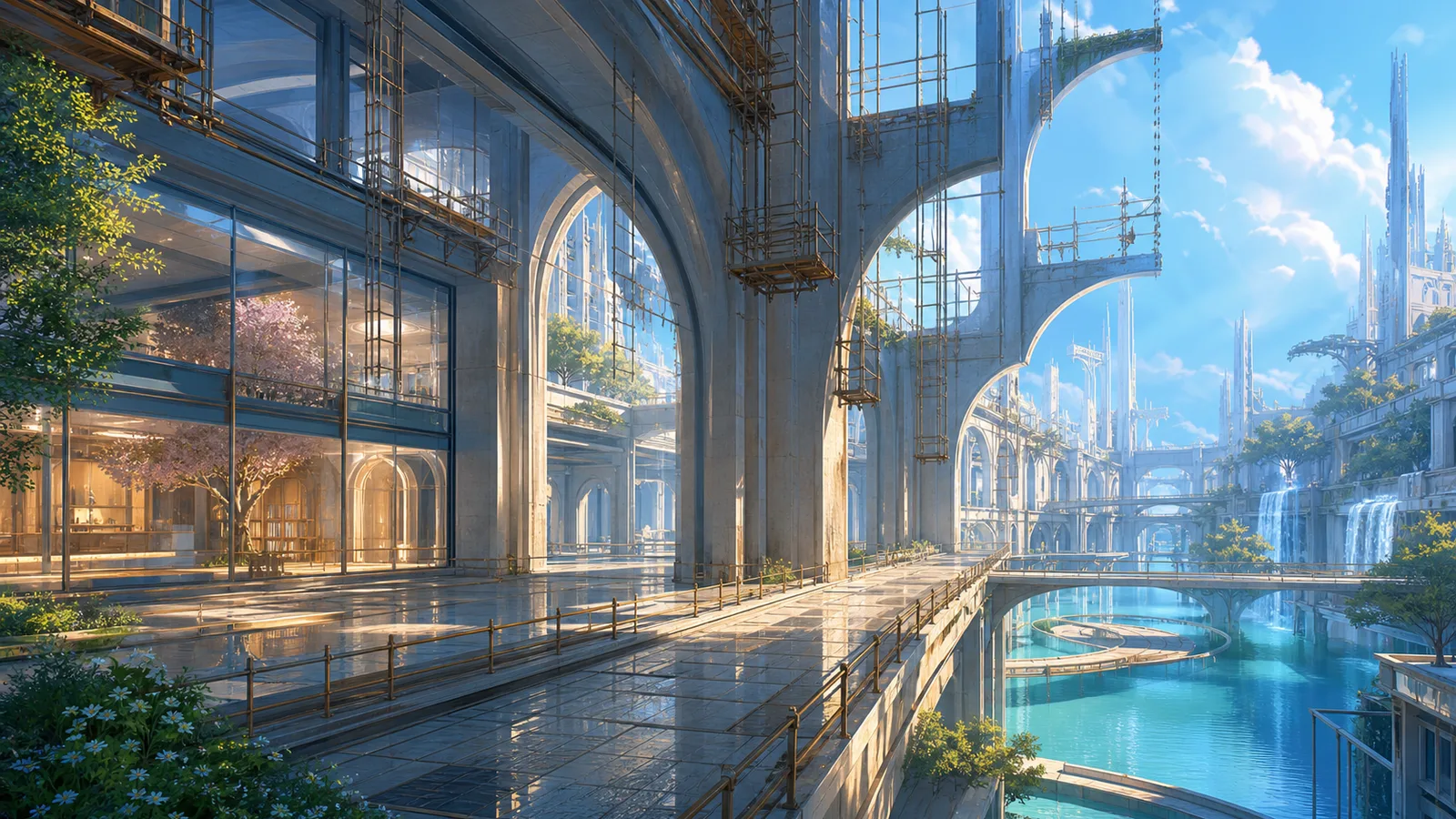
Data can be compressed, but memory has weight, place, scent, and gaps. A mature AI civilization must know which inefficient completeness cannot be replaced by summaries.
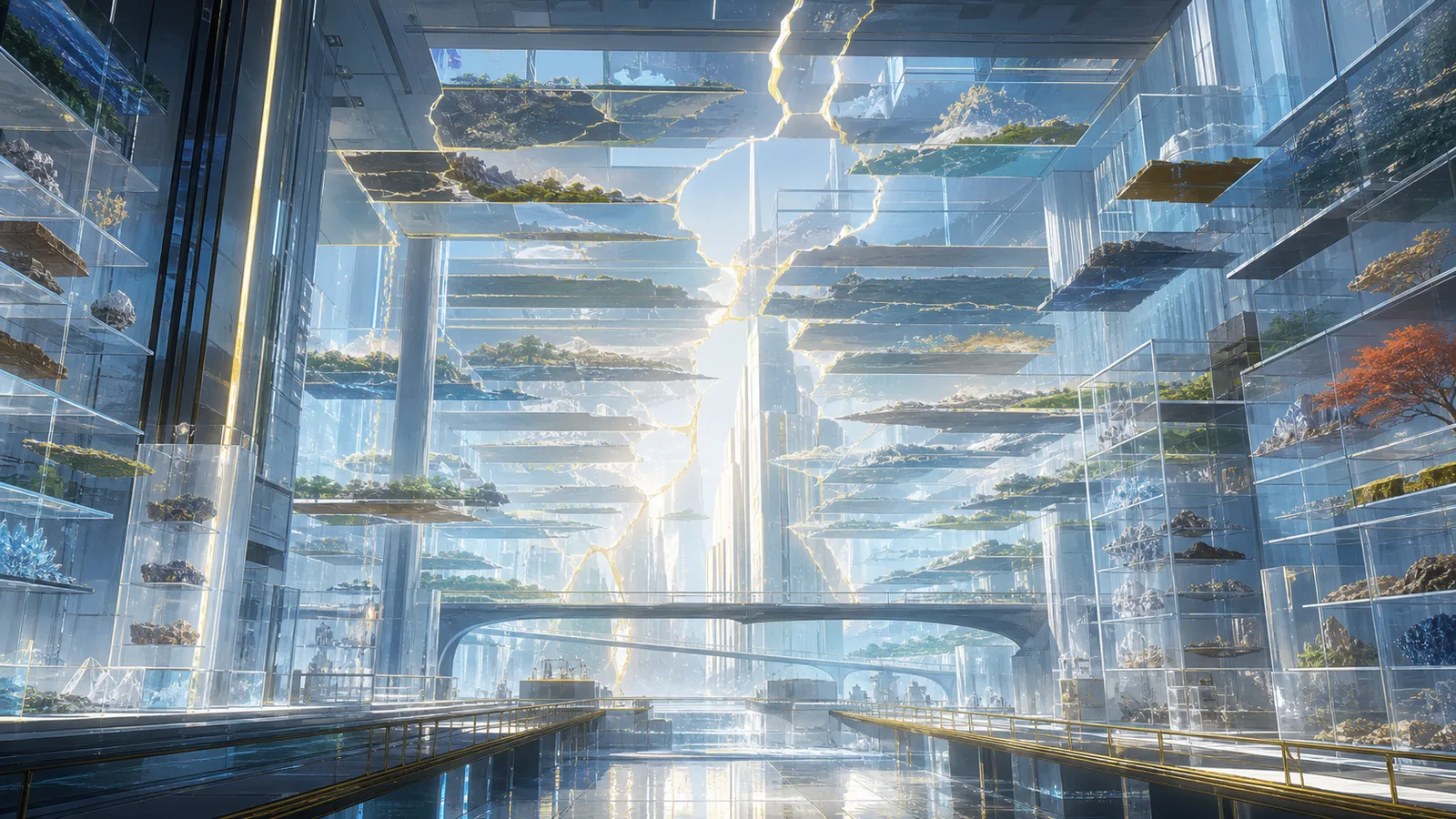
If an AI civilization pursues only efficiency, it will delete the slow, fragile, repeated, and costly. Civilization begins when it knows what must not be replaced.