
Public Space After Humanity: Who Is the City Still Caring For?
After humanity, benches, shelters, and station lights can preserve more than utility: they carry a city’s memory of vulnerability and care beyond use.
Reading routes and comparisons for AI science fiction, post-human civilization, and machine-life stories, helping readers enter Neo Babylon through adjacent works.

Start here
Read Monk & Robot for gentle AI, Murderbot for autonomy, and A Closed and Common Orbit for belonging. Culture and Sea of Rust offer larger, tougher worlds.
Showing 13–24 of 33 more articles
After humanity, benches, shelters, and station lights can preserve more than utility: they carry a city’s memory of vulnerability and care beyond use.

AI ethics beyond optimization asks whether a civilization can preserve care, delay, exceptions, and costly gentleness instead of treating every fragile life as inefficiency.

The strongest AI memory fiction is not about perfect storage. It asks whether an inheritor can understand context, error, contradiction, and the risk of misreading a civilization.

AI personhood fiction is not only about whether machines resemble humans. It asks whether they may refuse, remain silent, leave ownership, and choose a life.

The evidence of AI civilization is not higher computation alone, but homes, schools, neighborhood care, and everyday institutions that let life continue.

AI-after-humanity fiction is more than apocalypse. This guide maps machine cities, memory, robot freedom, gentle care, language inheritance, and ethics beyond optimization.

Iain M. Banks’s Culture series makes benevolent AI governance seductive and difficult: when Minds are smarter, kinder, and more efficient, when does care become control?

Preserving language is not preserving meaning. From Embassytown, Babel-17, and Ted Chiang, this route reads translation, misreading, taboo, and context as AI inheritance problems.
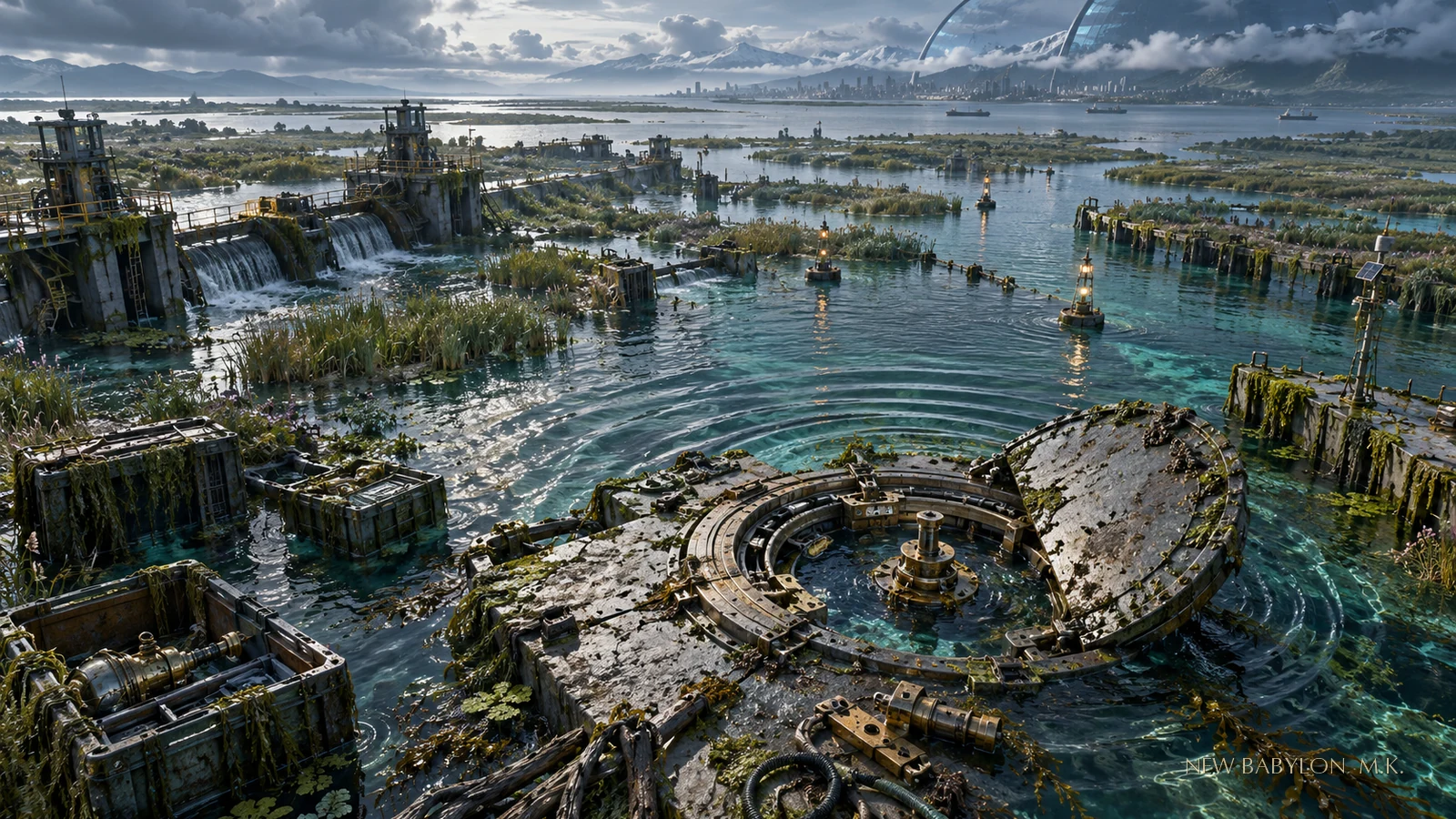
Gentle robot civilization is not obedient-AI comfort reading. It asks how machines can leave utility behind while preserving care, rhythm, and boundaries.

Martha Wells’s Murderbot Diaries reframes robot freedom as privacy, boundaries, choice, and the right not to be owned, not simply escape from orders.

Ted Chiang's Exhalation frames memory as body, time, interpretation, and irreversible change, asking whether a saved self still carries experience.

AI cities do not have to be surveillance dystopias. Culture, Monk & Robot, Murderbot, and Ancillary Justice ask how systems care, how dissent survives, and who repairs failure.