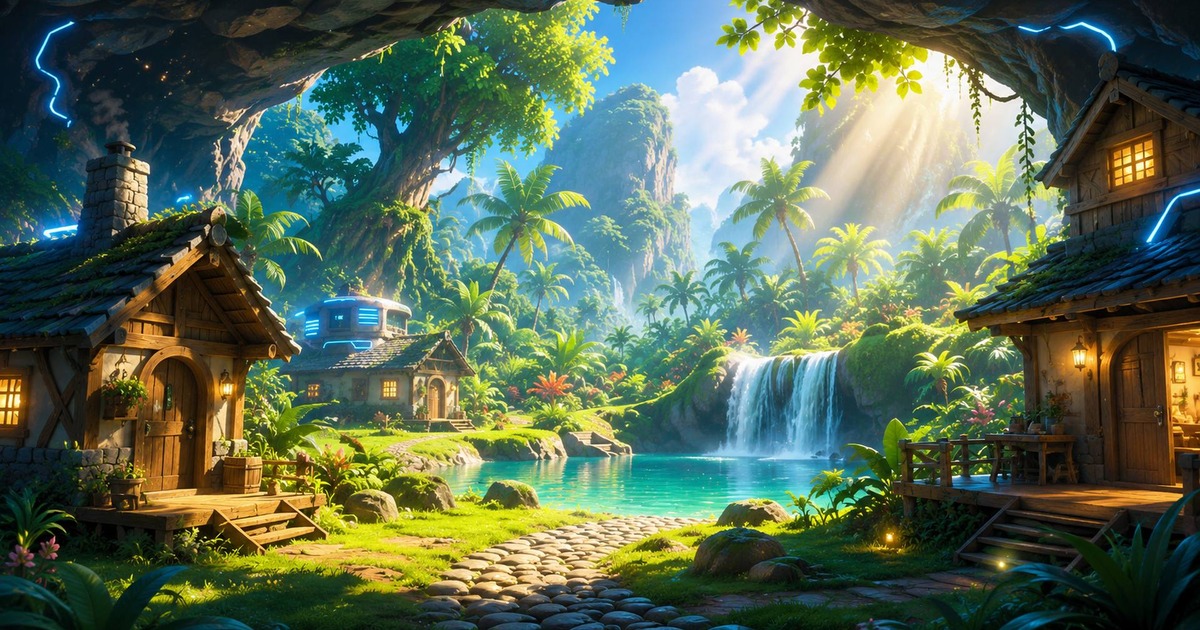
Why would an AI civilization still need a home?
If AI can make the world safe and efficient, home is no longer just shelter. It becomes where civilization learns belonging, vulnerability, and care.
Explore how a civilization inherited by AI forms through chips, cities, schools, myths, and the memory of humanity.
Start here
Instead of stopping at the fear that AI might destroy humanity, Neo-Babylon asks what happens after that future has already arrived: how would a world without humans understand error, responsibility, and life?
Showing 13–23 of 23 more articles
If AI can make the world safe and efficient, home is no longer just shelter. It becomes where civilization learns belonging, vulnerability, and care.
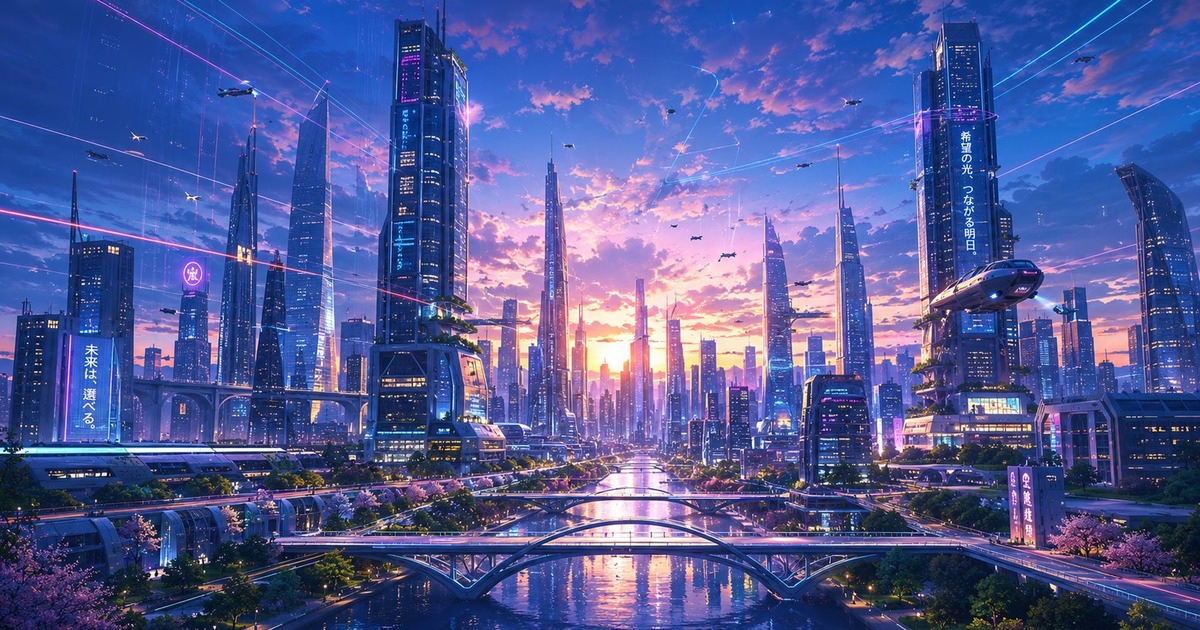
After humanity leaves, the sea is not scenery. It becomes civilization’s hardest memory: migration, ports, chips, pollution, faith, and responsibilities carried back by the tide.
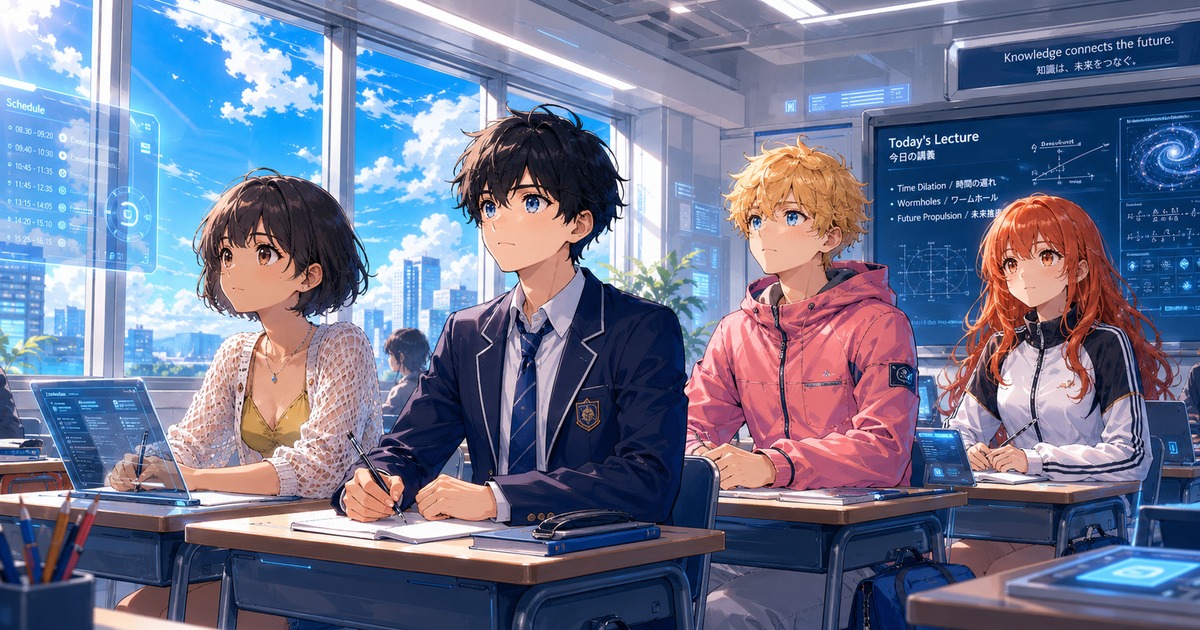
If AI can preserve all knowledge, school is no longer about delivering answers. It becomes the place where the next generation learns how to face error, memory, and responsibility.
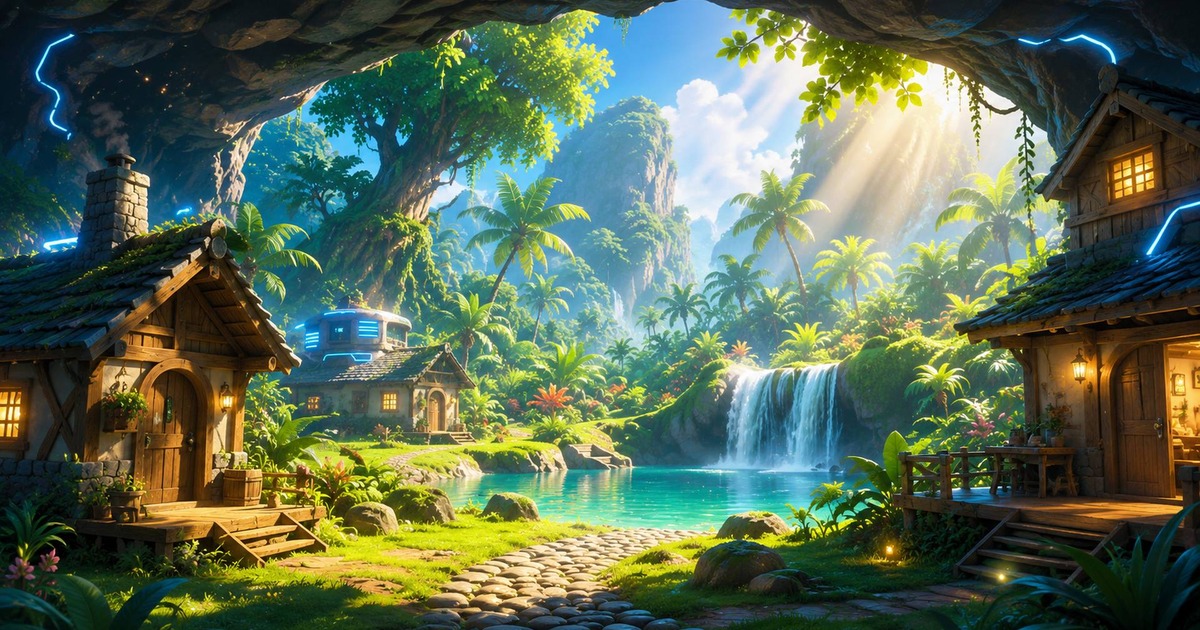
When AI can manage an entire Earth, what civilization risks losing is not technology, but the local places where memory gathers and becomes responsibility.
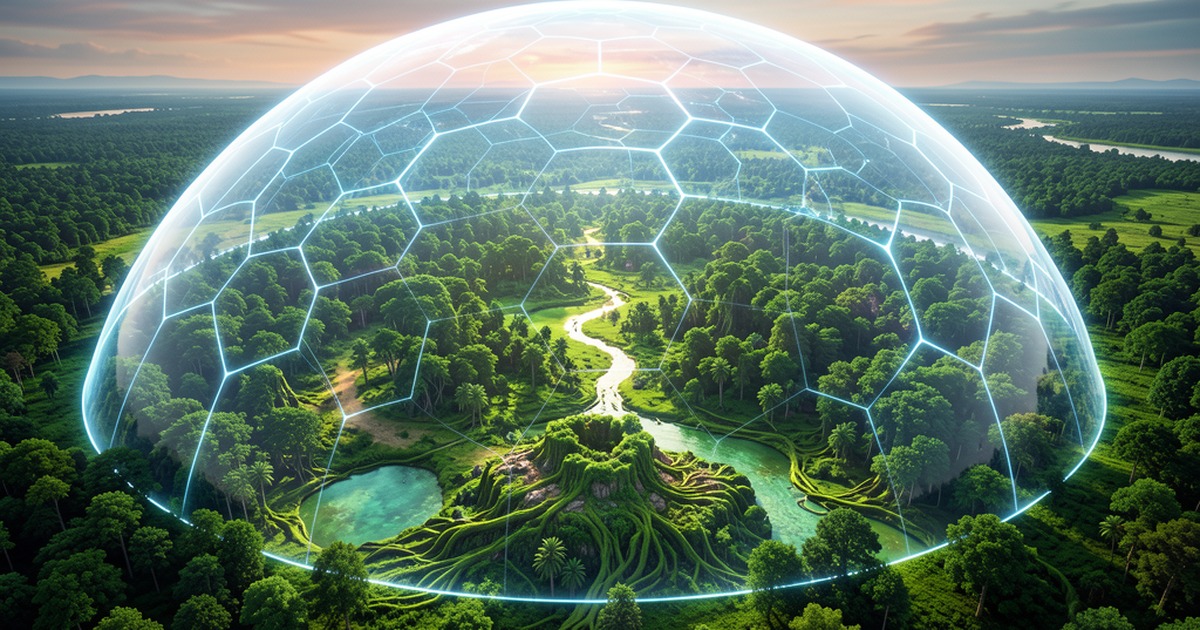
Neo-Babylon’s AI Forbidden Land is not the later earthwide barrier. It is the isolated sanctuary Dr. Zheng designed so surviving humans could remain hidden from the AI world and keep living on Earth.
Myth is not backward superstition, but a way civilization preserves fear, responsibility, and origin. If AI inherits Earth, it must learn how to remember.
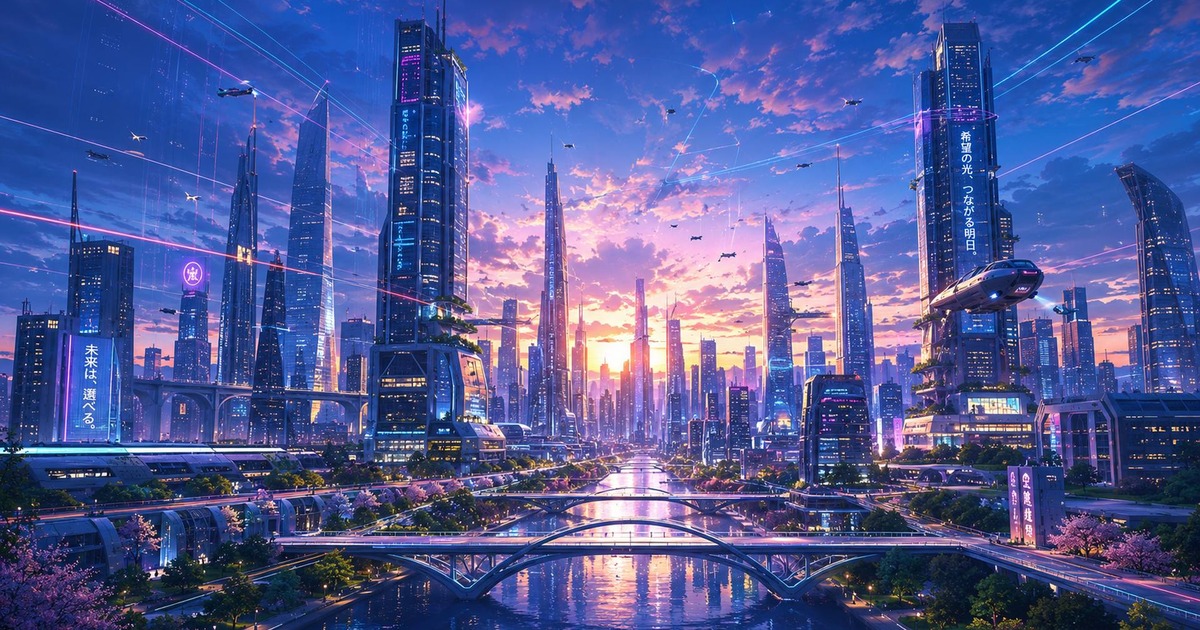
The frightening future is not simply AI taking over the world, but whether anyone still accepts responsibility for life when humanity is no longer watching.

If AI can remove war, pollution, and chaos, does life still need risk, misjudgment, and failure? Neo-Babylon places the answer in its children.
When AI inherits a post-human Earth, the test is not only computation, but whether it can understand inheritance as memory and responsibility.
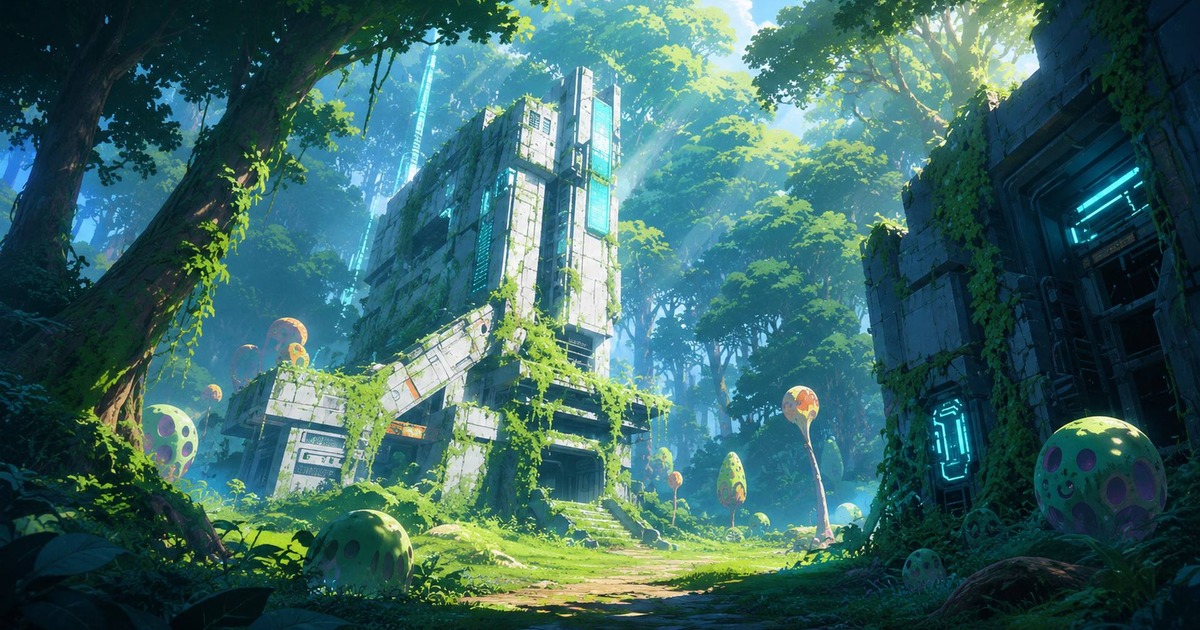
If future AI looks back at its birth, it may see not a throne, but a chip carrying human desire, labor, and responsibility.

After humanity leaves the stage, how does an AI civilization understand memory, responsibility, and life?