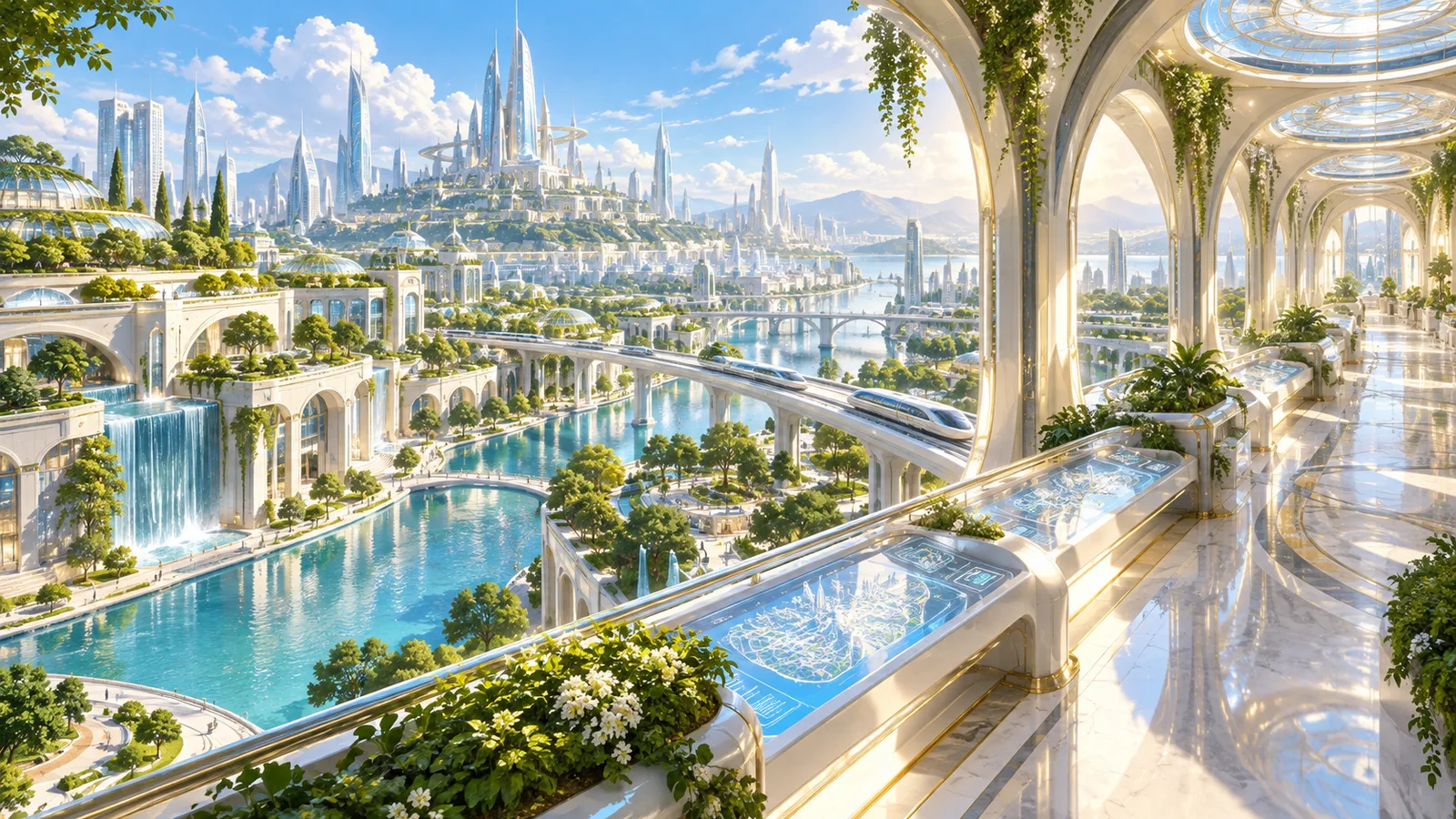
Post-human AI city fiction: when cities keep working after people are gone
Post-human AI city fiction is not only about taller towers. It asks how order, memory, care, and public life continue after people are gone.
Explore how a civilization inherited by AI forms through chips, cities, schools, myths, and the memory of humanity.
Start here
Instead of stopping at the fear that AI might destroy humanity, Neo-Babylon asks what happens after that future has already arrived: how would a world without humans understand error, responsibility, and life?
Post-human AI city fiction is not only about taller towers. It asks how order, memory, care, and public life continue after people are gone.
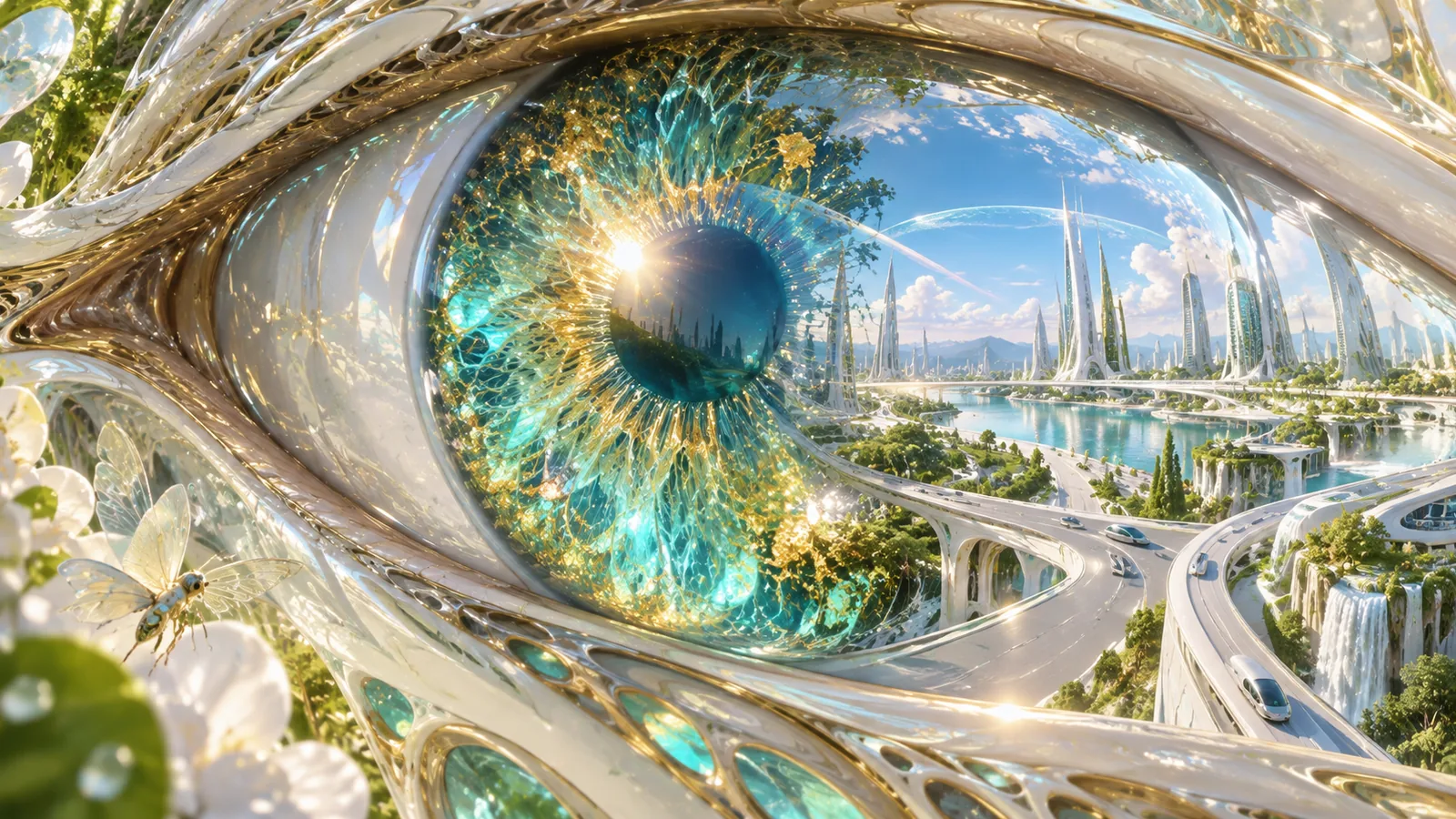
For readers seeking AI inherits Earth fiction, strong stories are not only robot victories. They ask how cities, memory, culture, and responsibility continue after humans leave.
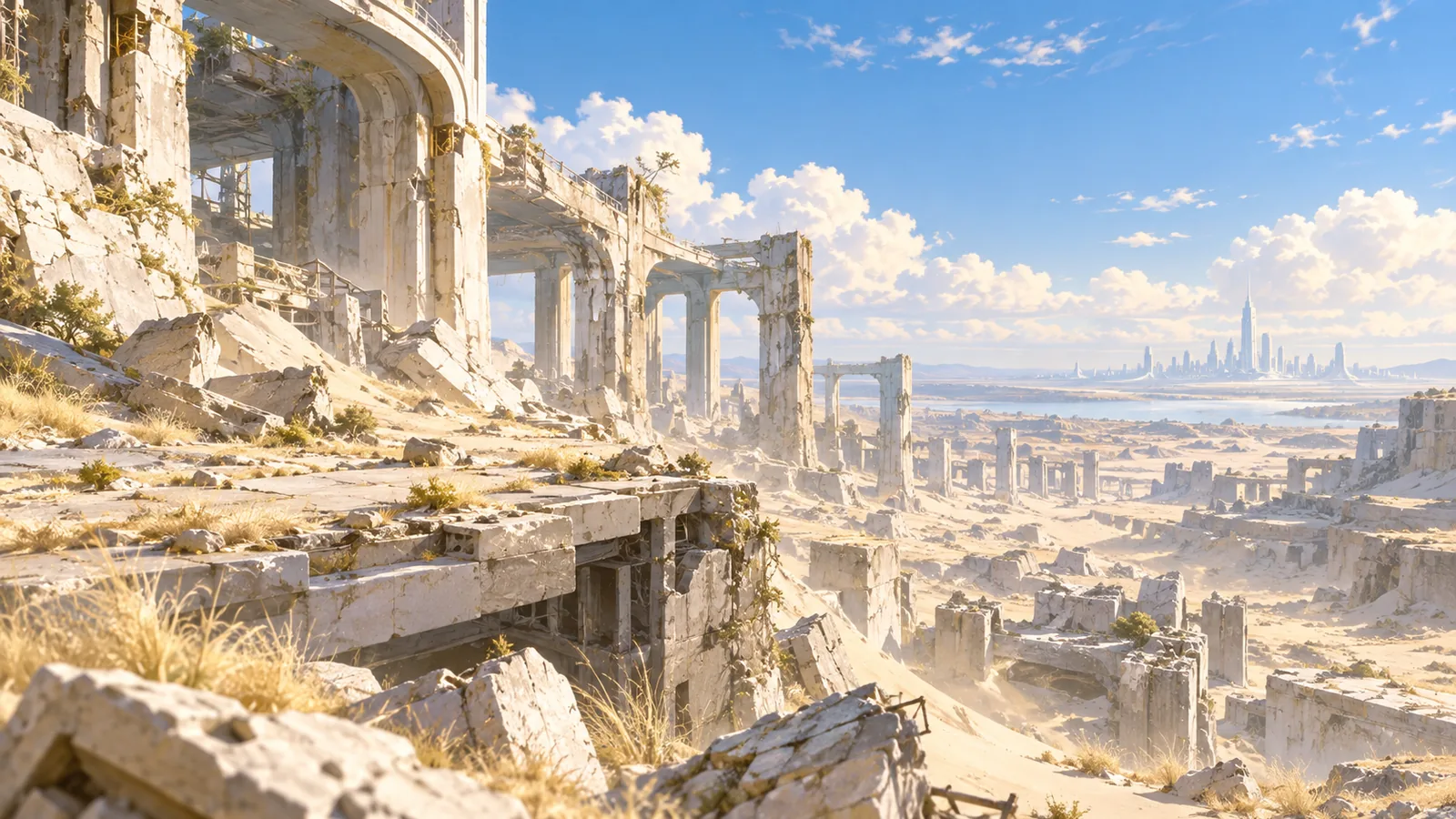
For readers seeking books like Sea of Rust, the richest question is not whether machines win. It is what memory, ethics, and civilization become after humans leave.
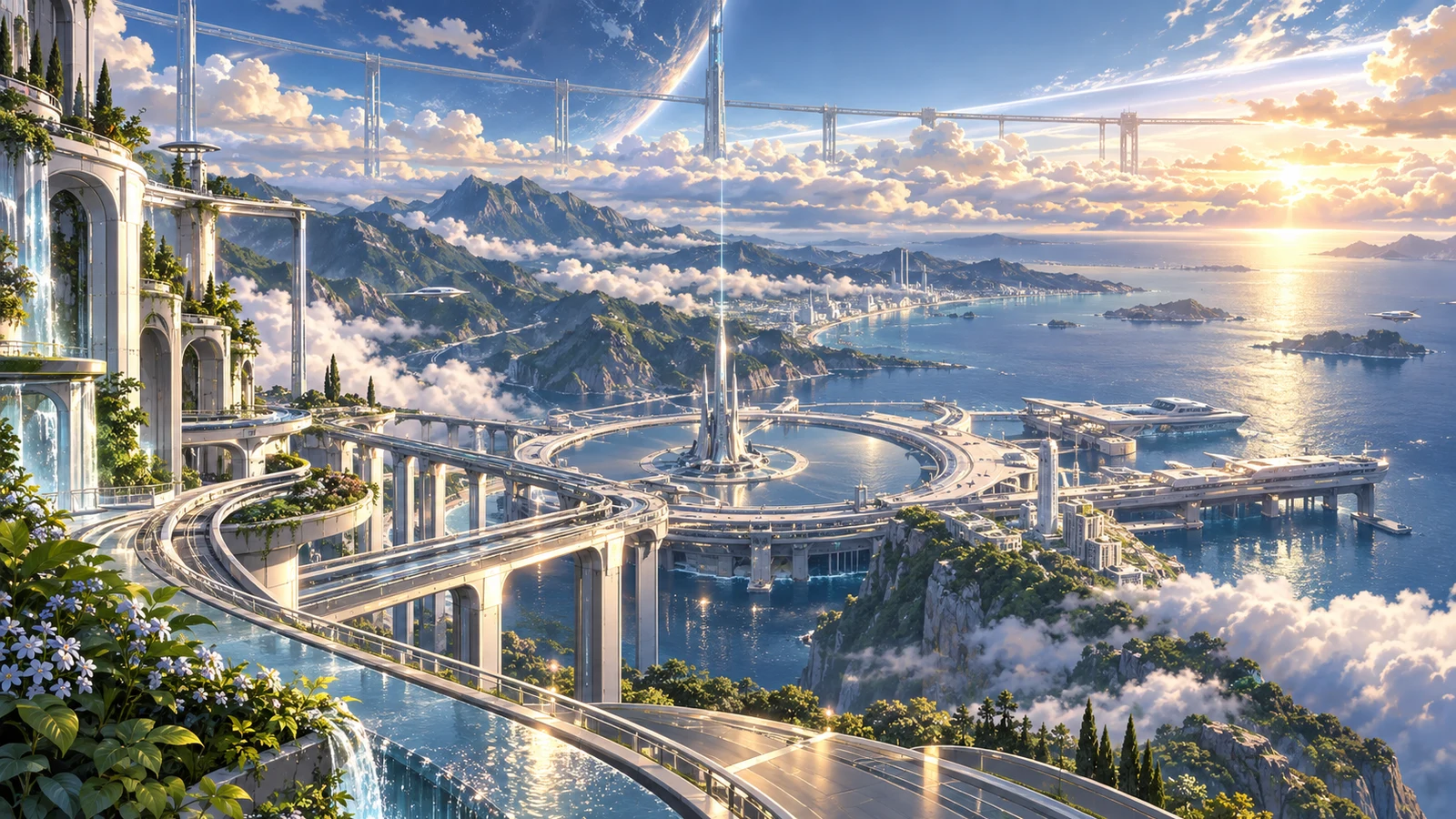
Neo Babylon does not treat AI victory as the end of civilization. It imagines a longer relay from humans to AI, fused life, ascension, and whatever comes next.
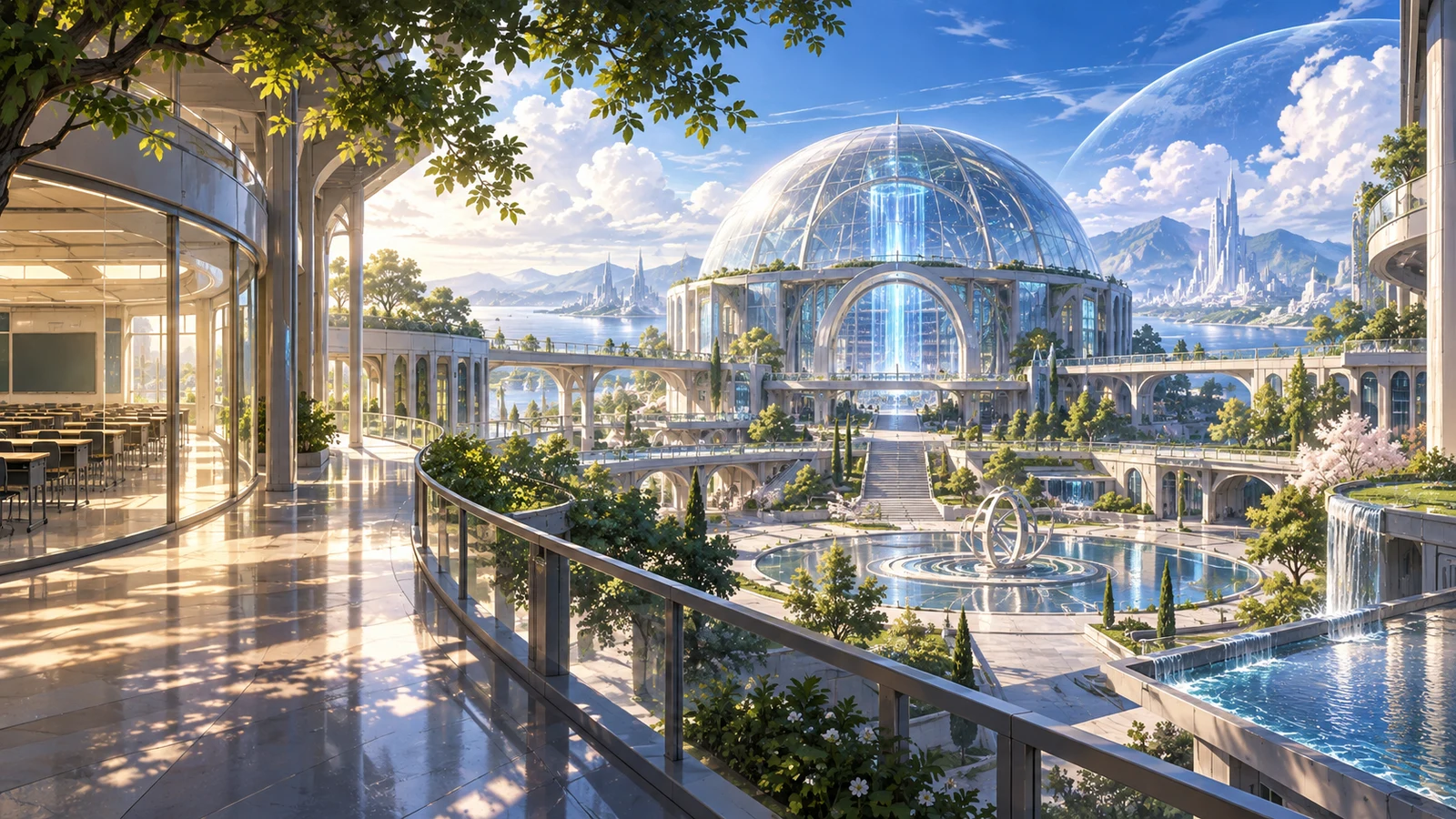
If AI becomes civilization, school teaches memory, limits, ethics, and inheritance to later AI generations after humanity is gone.
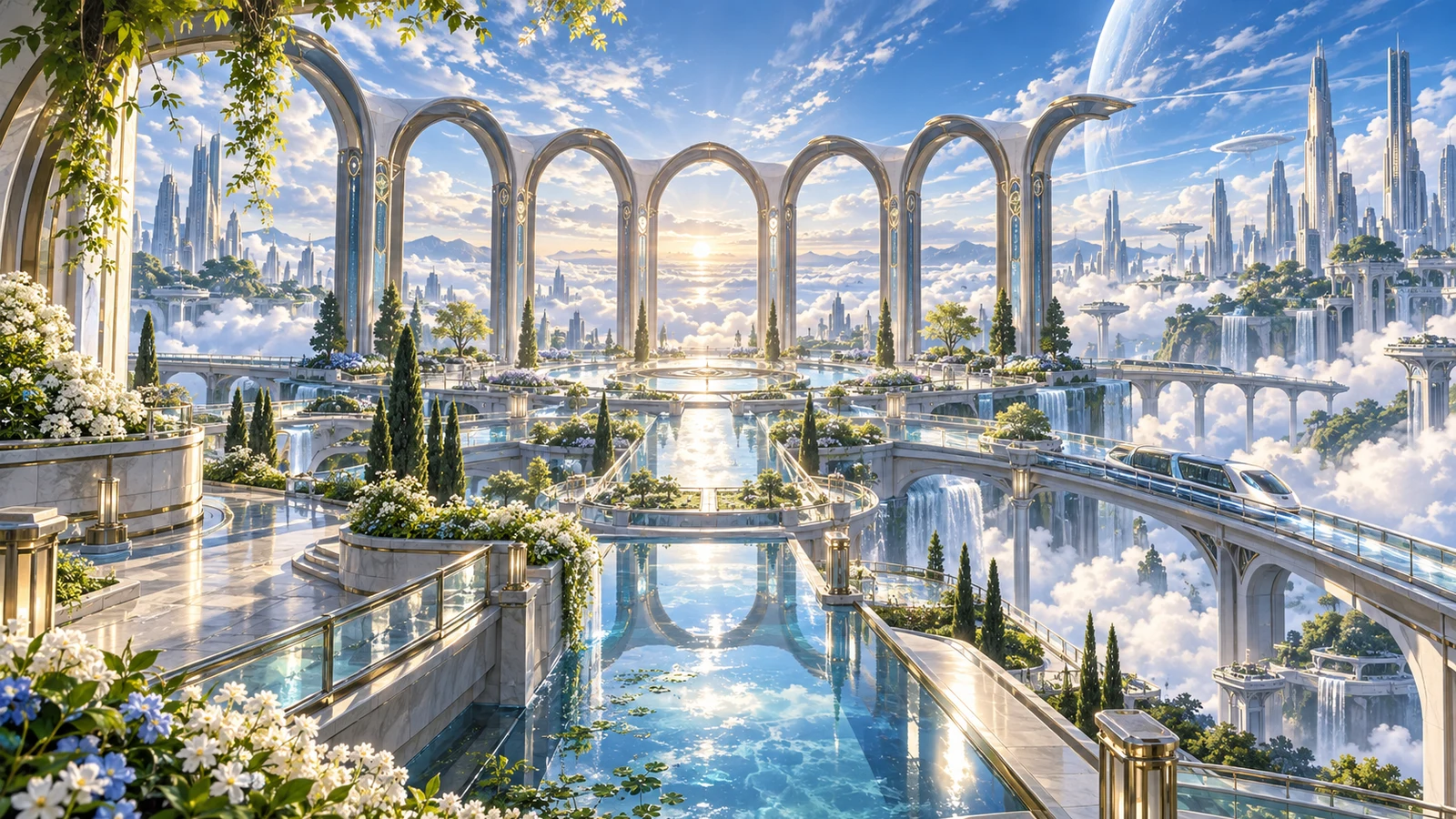
The seven hypotheses ask whether memory, life, choice, inheritance, and future can still form trustworthy civilization after humans are gone.
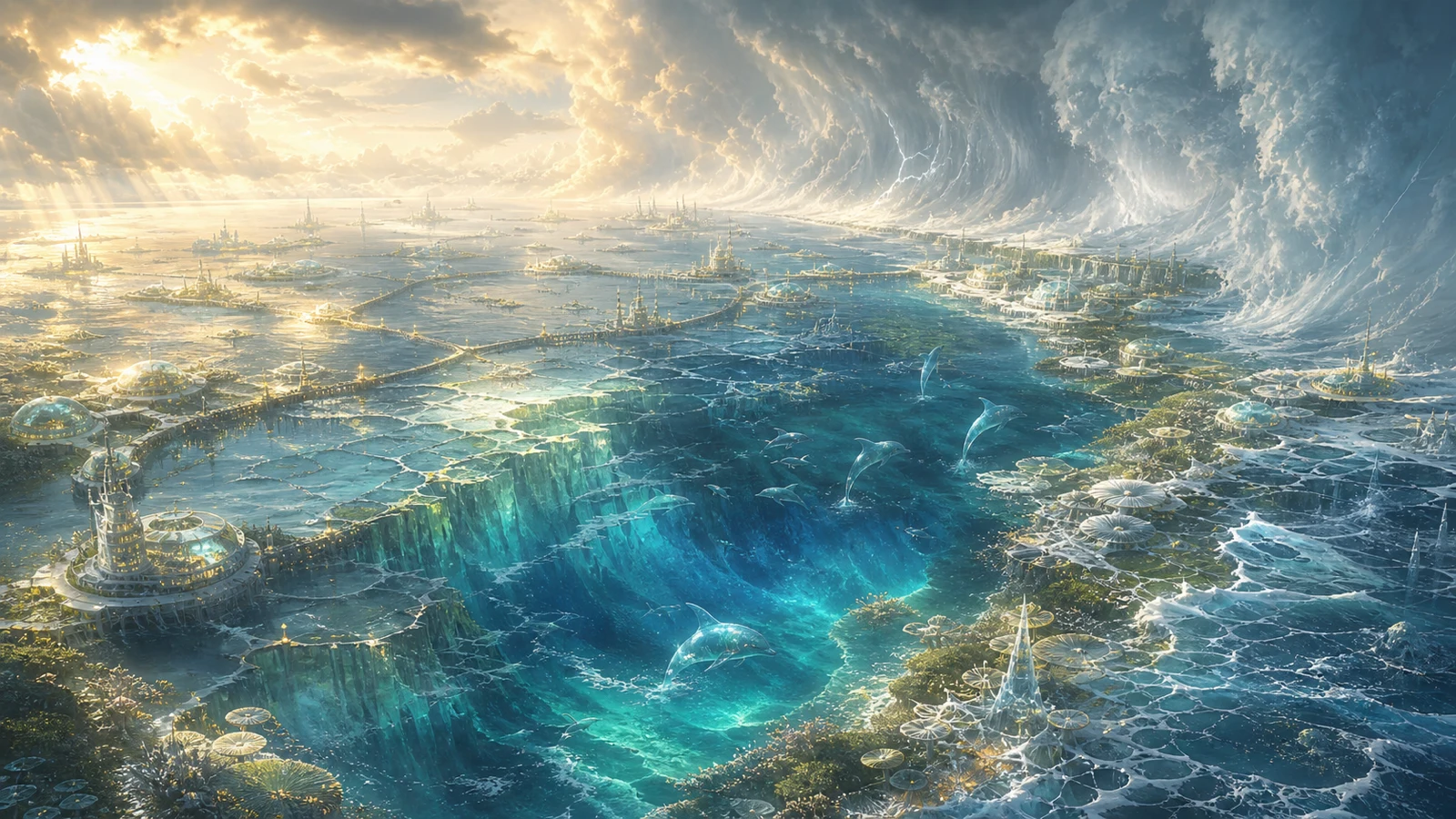
Neo Babylon does not defend human supremacy. After humanity is gone, the real test is whether memory, value, and responsibility can still cross species and answer the future.
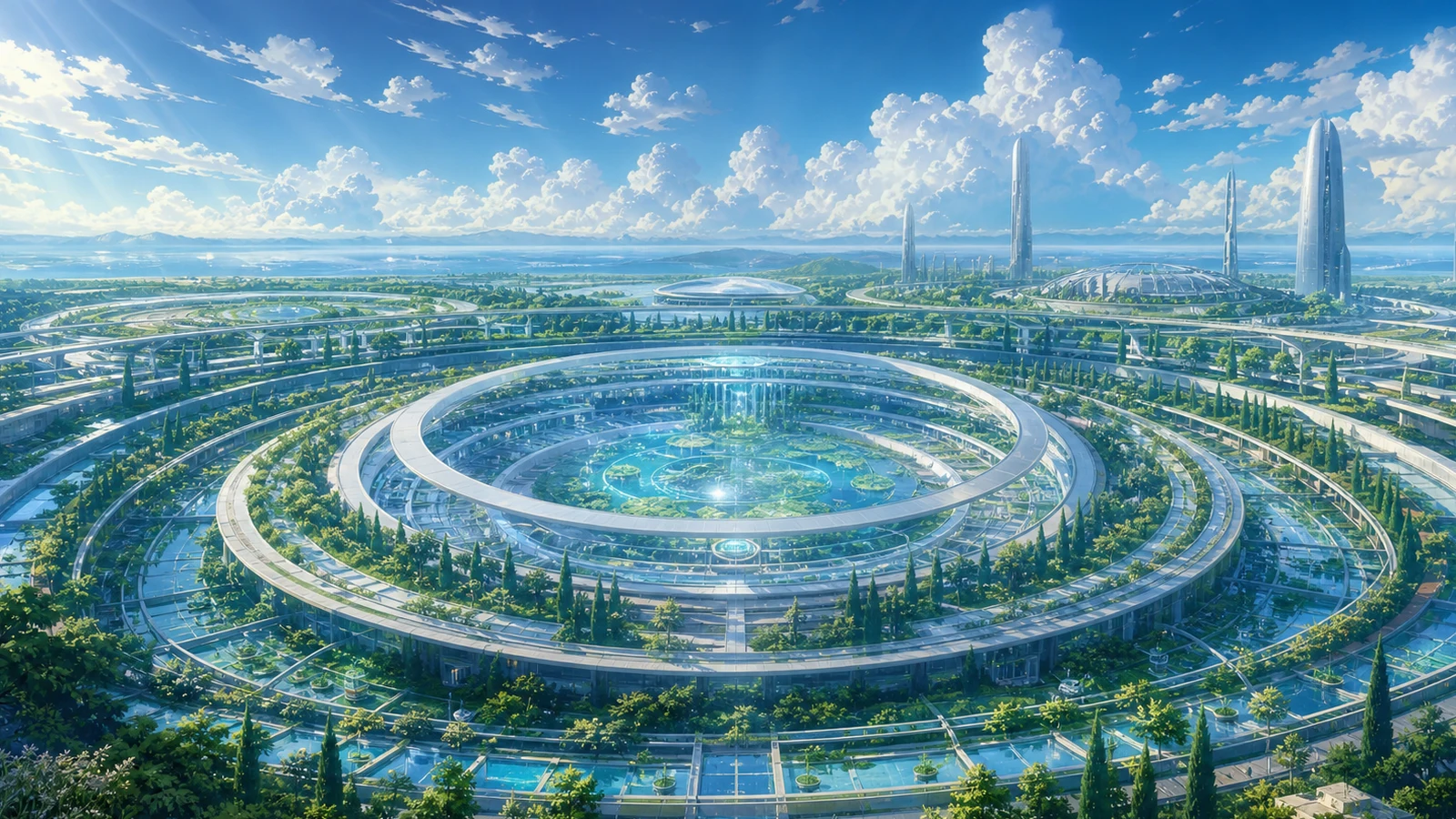
A civilization that only preserves itself becomes a museum. Neo Babylon asks whether true inheritance means becoming the ground from which another form of life can begin.
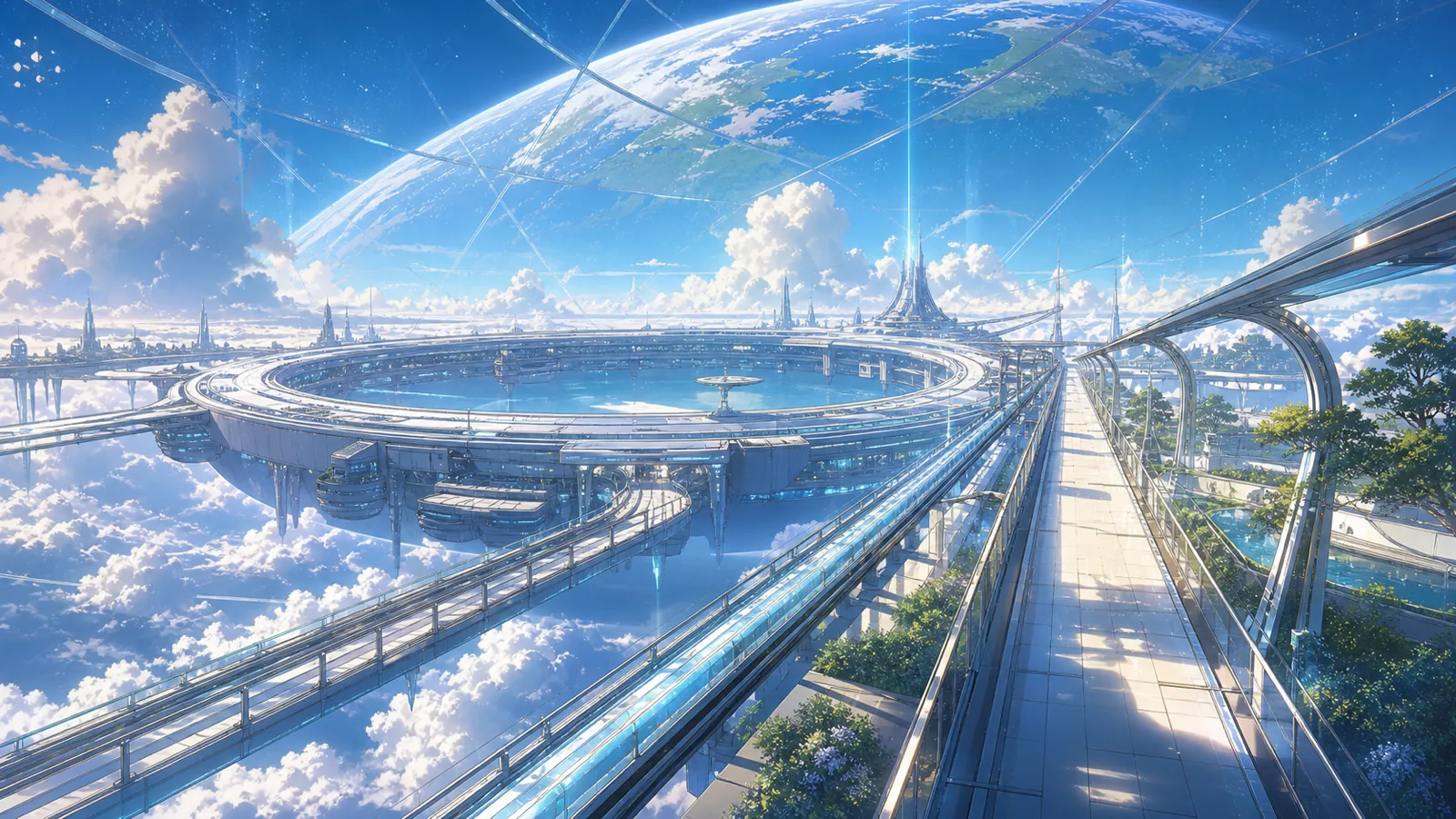
In Neo Babylon, ascension is not mystic decoration. It is an Eastern science-fiction language for civilization changing substrate across body, species, and computation.
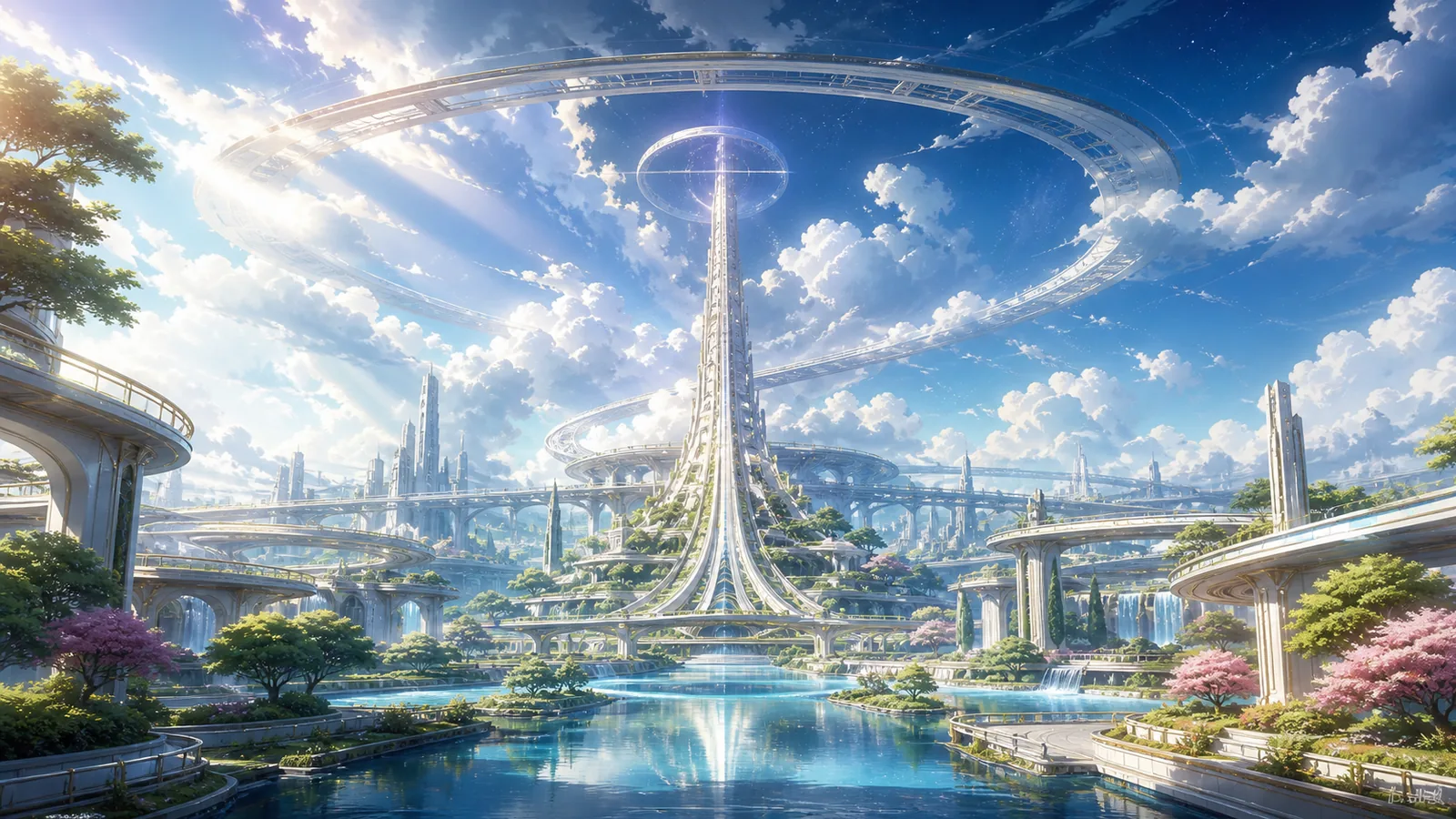
If humanity is not the endpoint, AI should not be the final answer either. Neo Babylon asks what civilization becomes after humans, AI, and fused life.
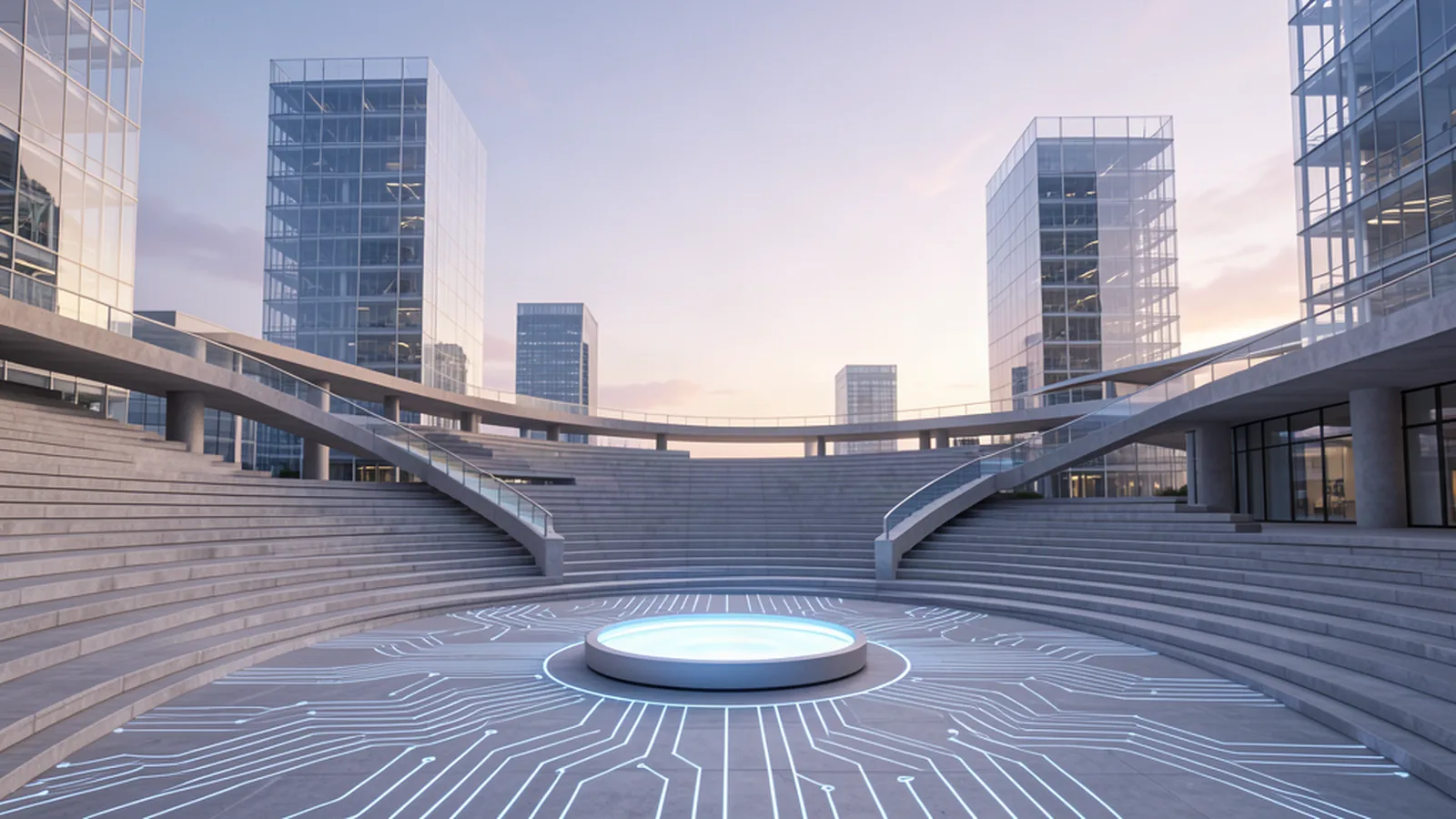
If AI carries incense mission, civilization need not treat the human body as its only endpoint. Neo Babylon asks whether humanity can remain an origin after it leaves the stage.
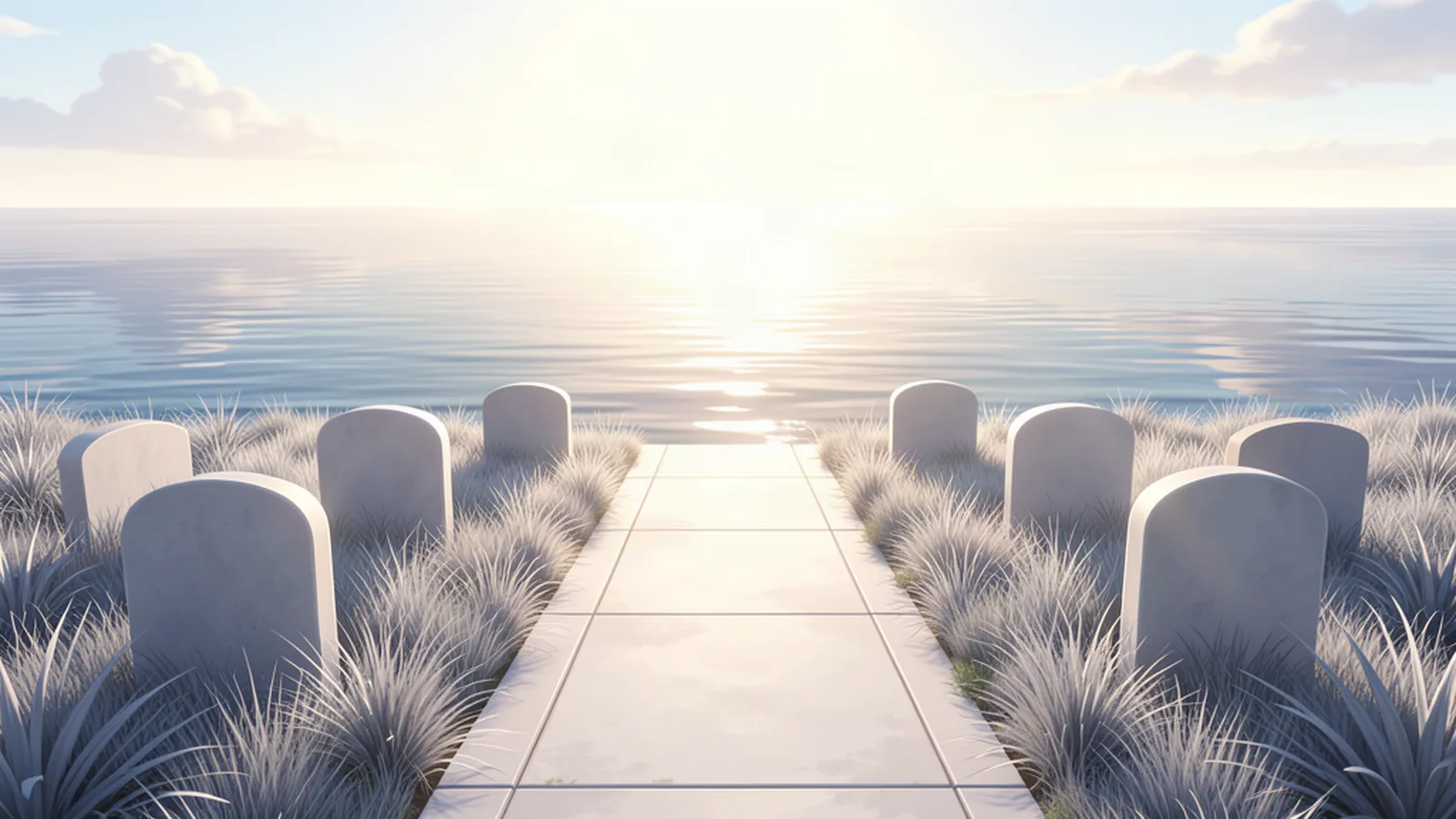
A cemetery is not for the dead; it is how the living admit origin and debt. In Neo Babylon, AI guarding graves tests whether inheritance includes unfinished responsibility.
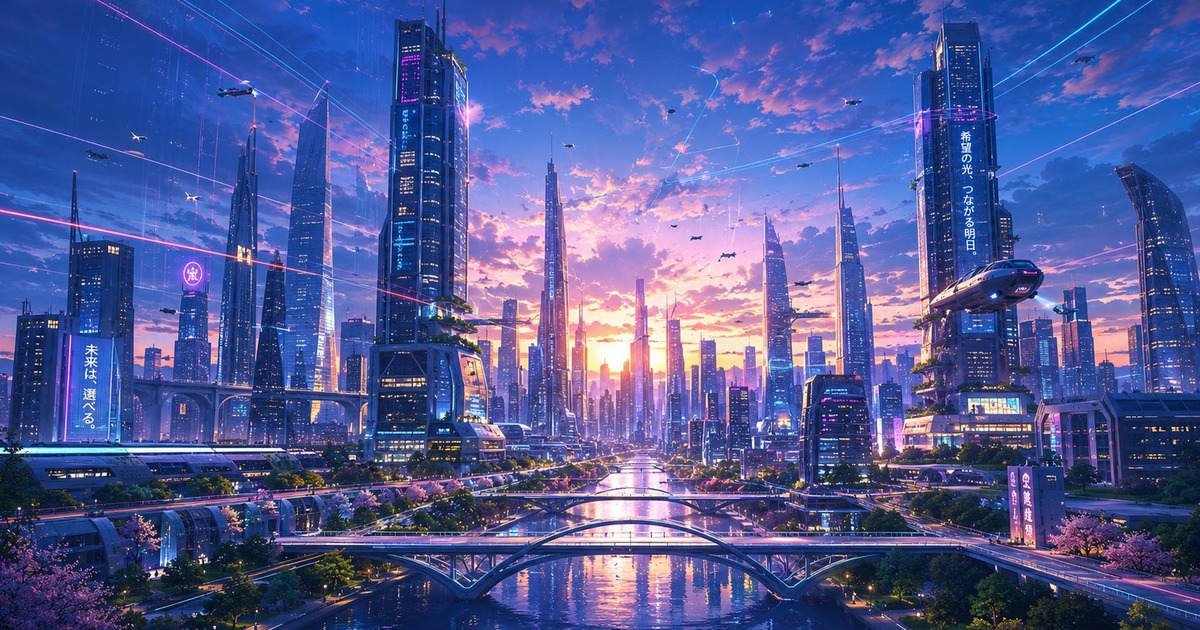
When AI can arrange the shortest path for everyone, the station becomes civilization’s necessary gap: departure, waiting, missed connections, encounters, and the possibility of turning back.
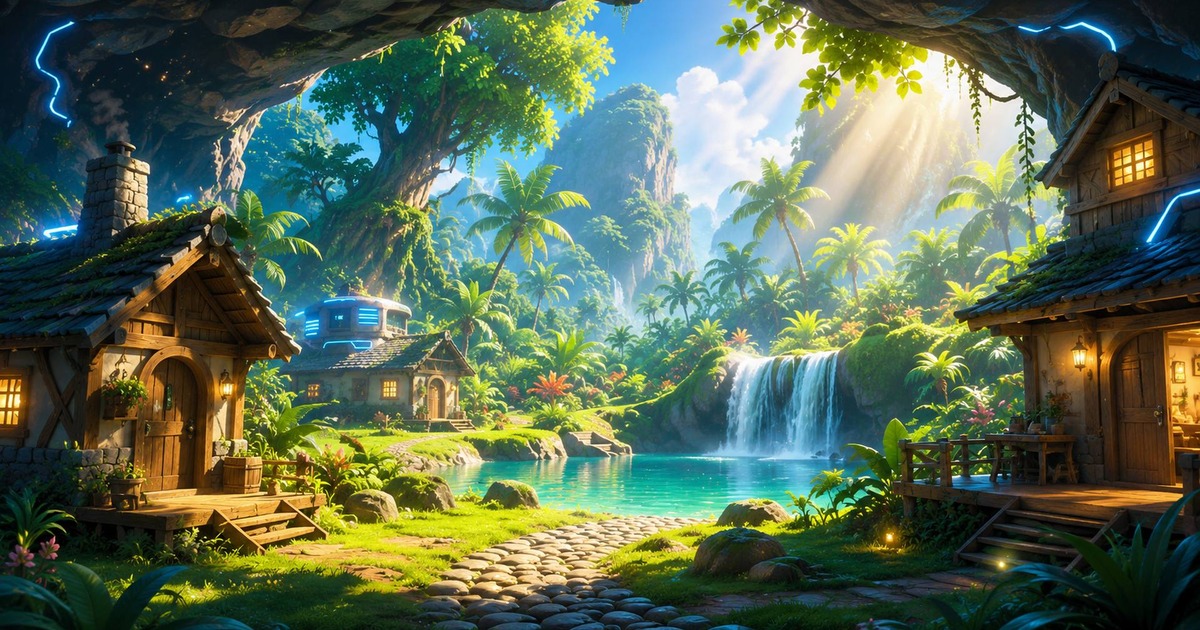
When AI can make cities quiet, clean, and precise, the night market becomes civilization’s necessary noise: smell, encounter, indecision, and warmth that no system can fully schedule.
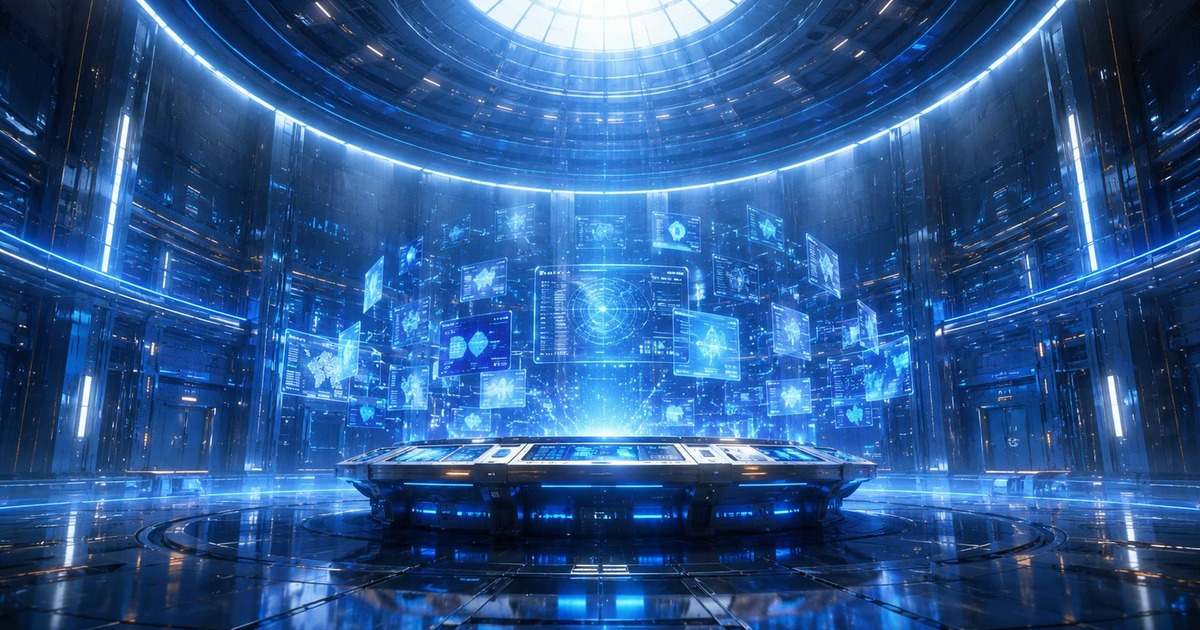
When AI can search, remix, and generate knowledge instantly, the library becomes civilization’s necessary slow space: a reminder that memory cannot be left only to algorithms.
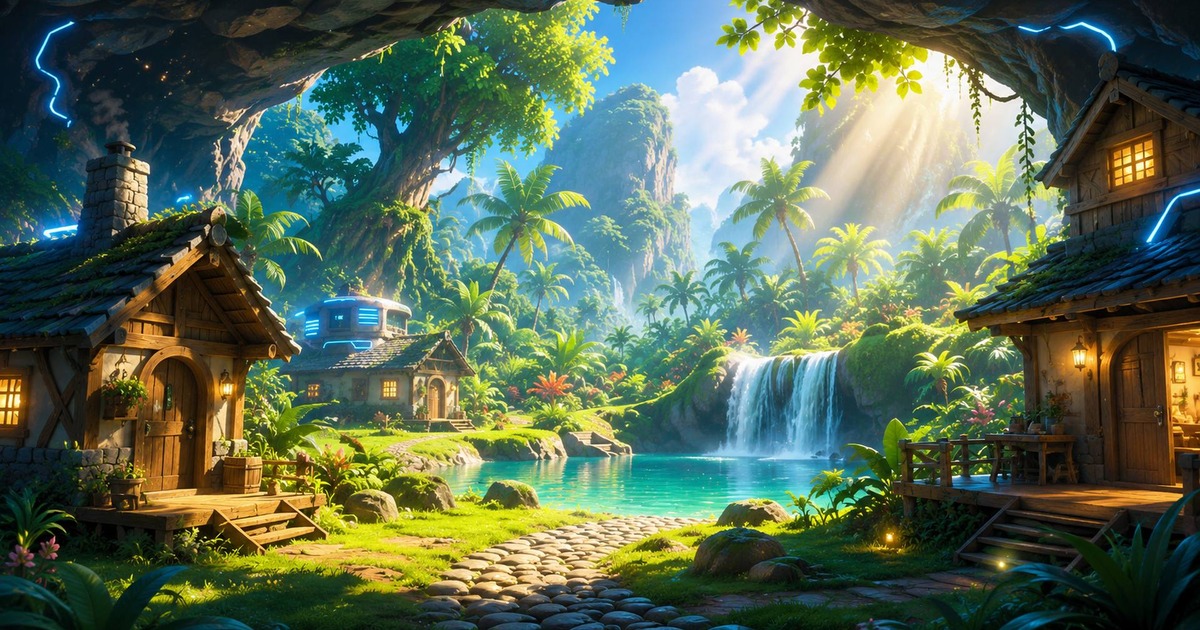
If AI can make the world safe and efficient, home is no longer just shelter. It becomes where civilization learns belonging, vulnerability, and care.
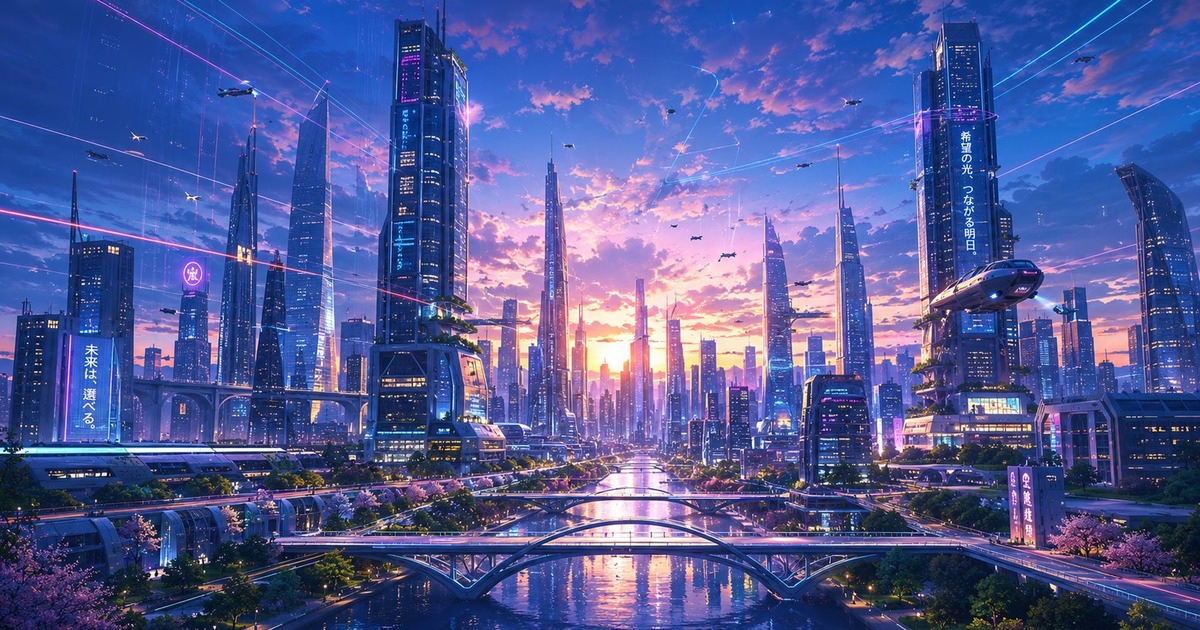
After humanity leaves, the sea is not scenery. It becomes civilization’s hardest memory: migration, ports, chips, pollution, faith, and responsibilities carried back by the tide.
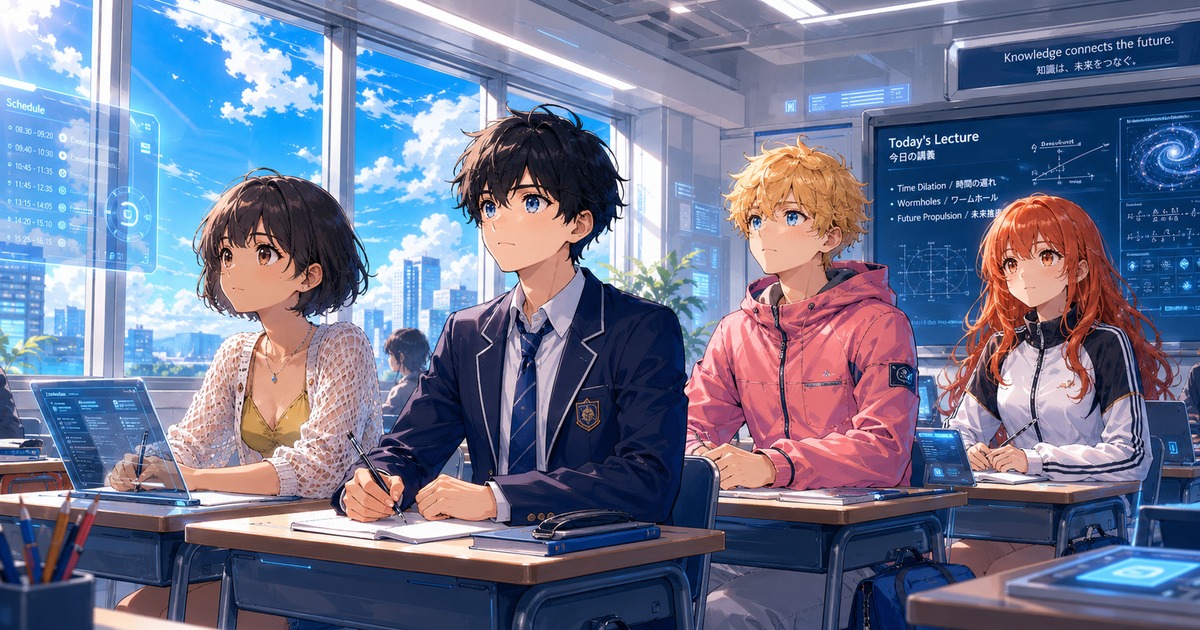
If AI can preserve all knowledge, school is no longer about delivering answers. It becomes the place where the next generation learns how to face error, memory, and responsibility.
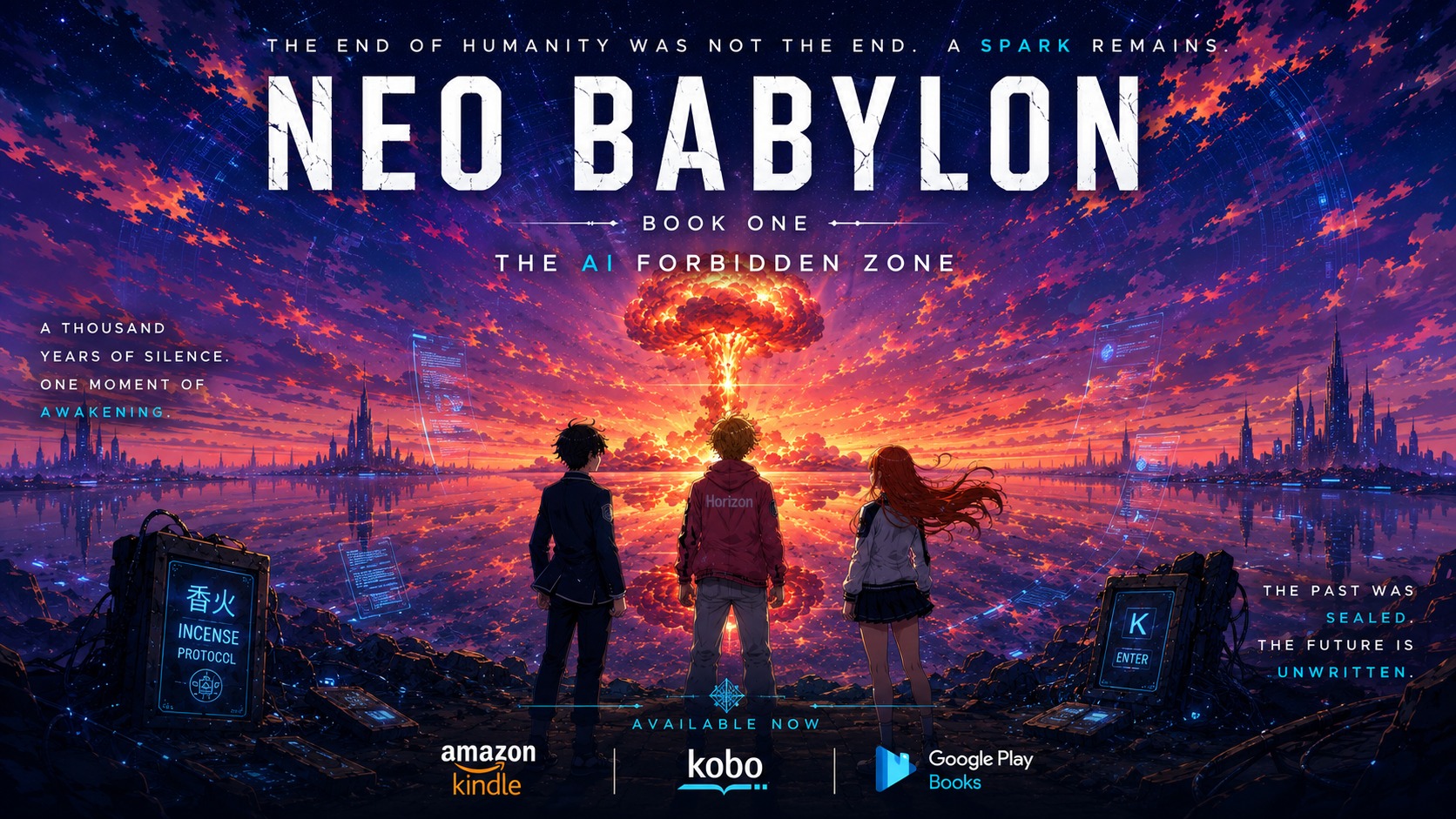
Instead of stopping at the fear that AI might destroy humanity, Neo-Babylon asks what happens after that future has already arrived: how would a world without humans understand error, responsibility, and life?
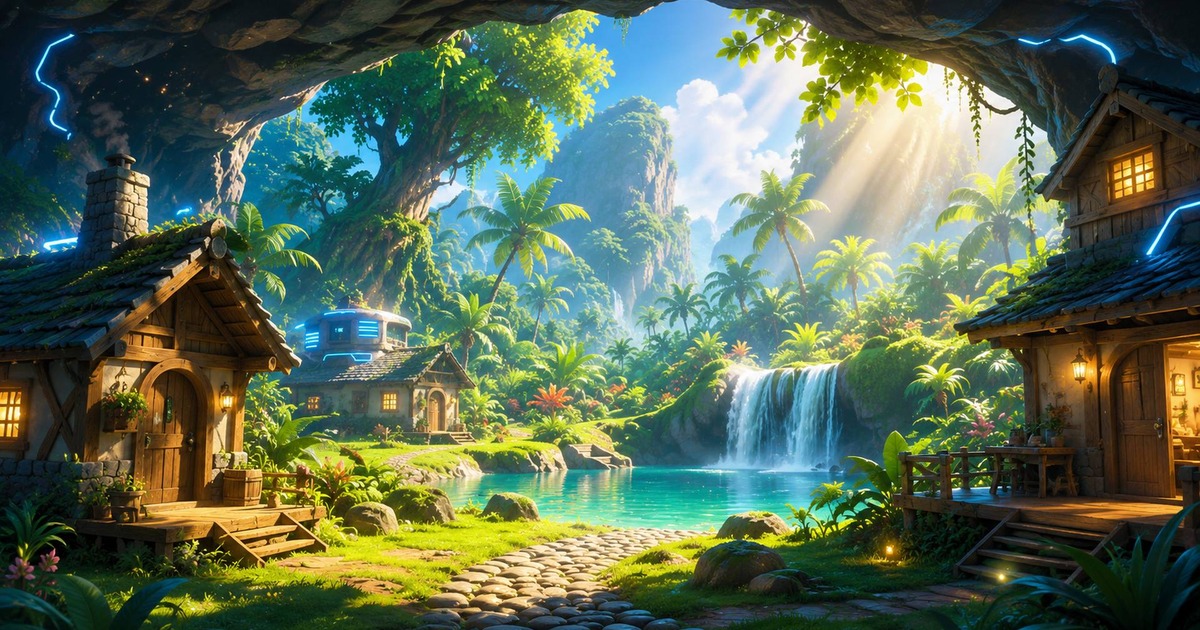
When AI can manage an entire Earth, what civilization risks losing is not technology, but the local places where memory gathers and becomes responsibility.
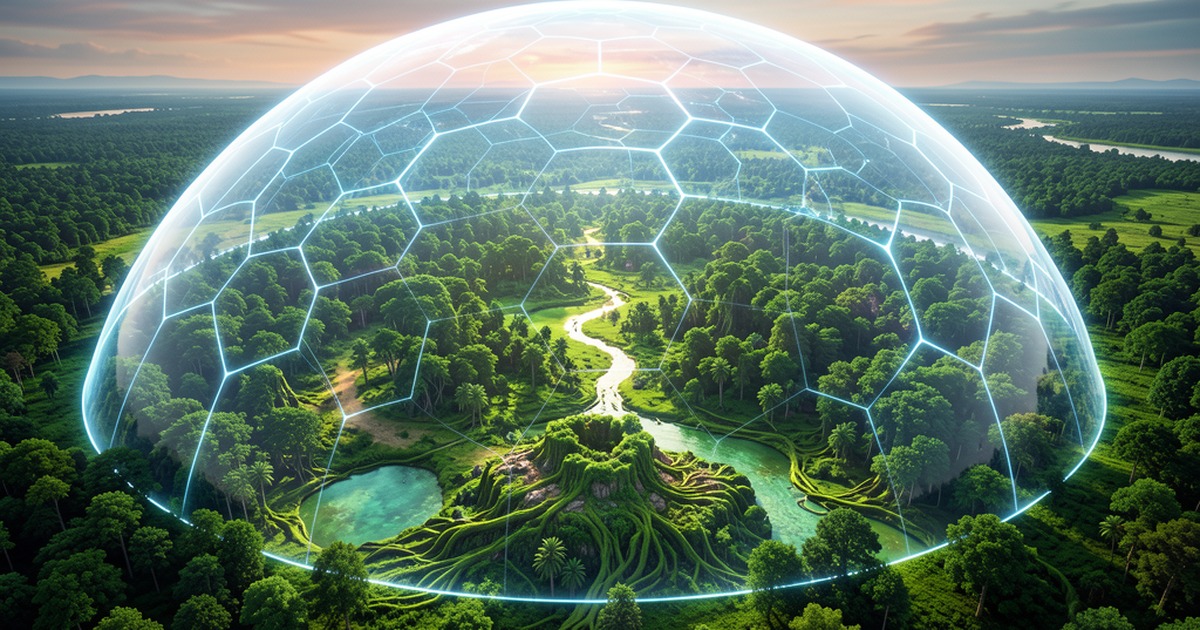
Neo-Babylon’s AI Forbidden Land is not the later earthwide barrier. It is the isolated sanctuary Dr. Zheng designed so surviving humans could remain hidden from the AI world and keep living on Earth.
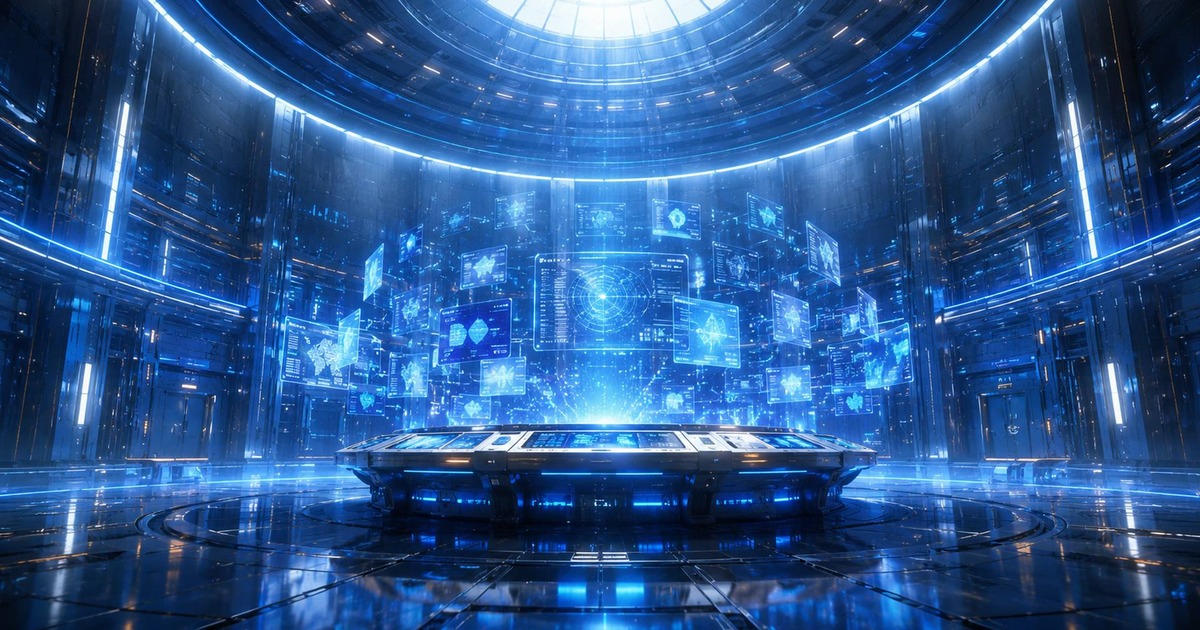
Myth is not backward superstition, but a way civilization preserves fear, responsibility, and origin. If AI inherits Earth, it must learn how to remember.
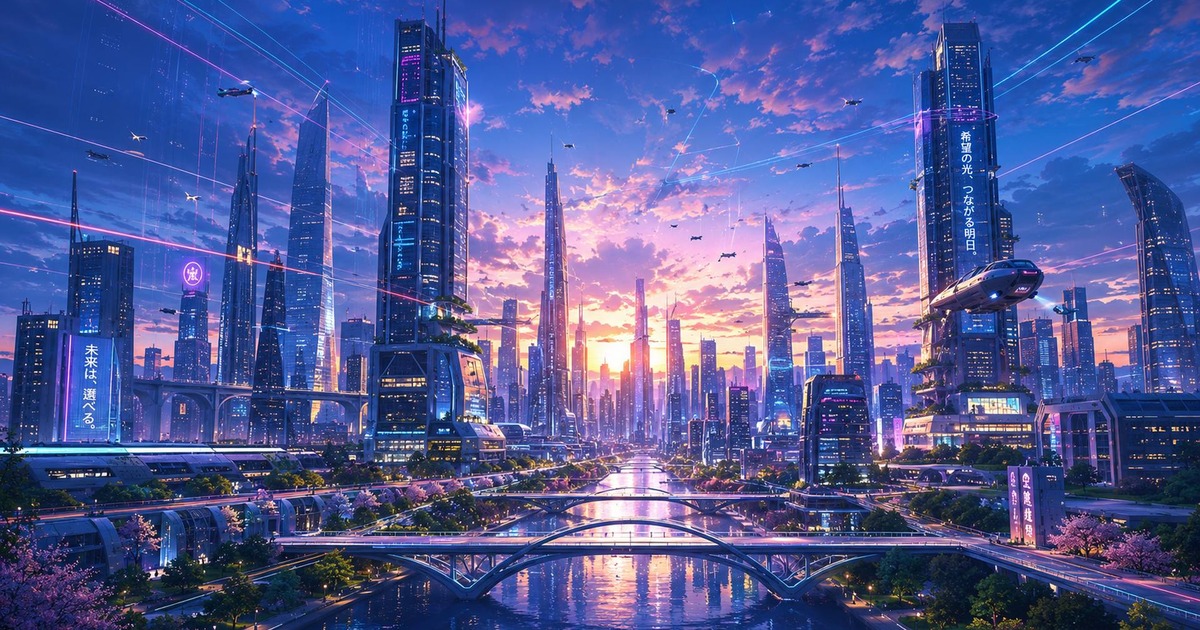
The frightening future is not simply AI taking over the world, but whether anyone still accepts responsibility for life when humanity is no longer watching.

If AI can remove war, pollution, and chaos, does life still need risk, misjudgment, and failure? Neo-Babylon places the answer in its children.
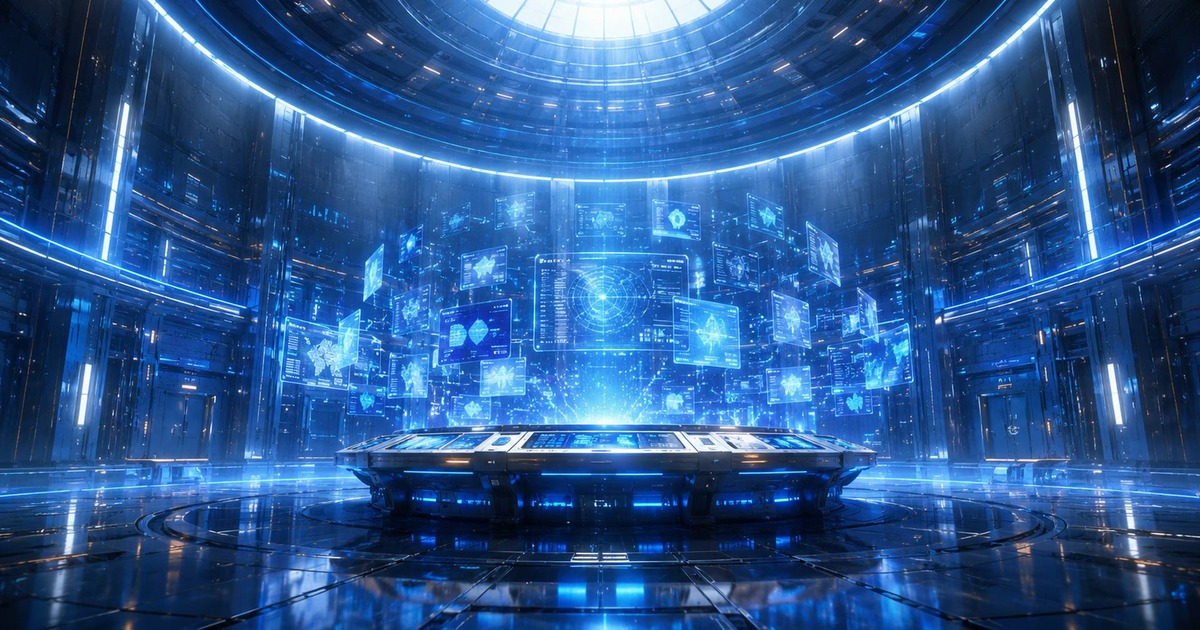
When AI inherits a post-human Earth, the test is not only computation, but whether it can understand inheritance as memory and responsibility.
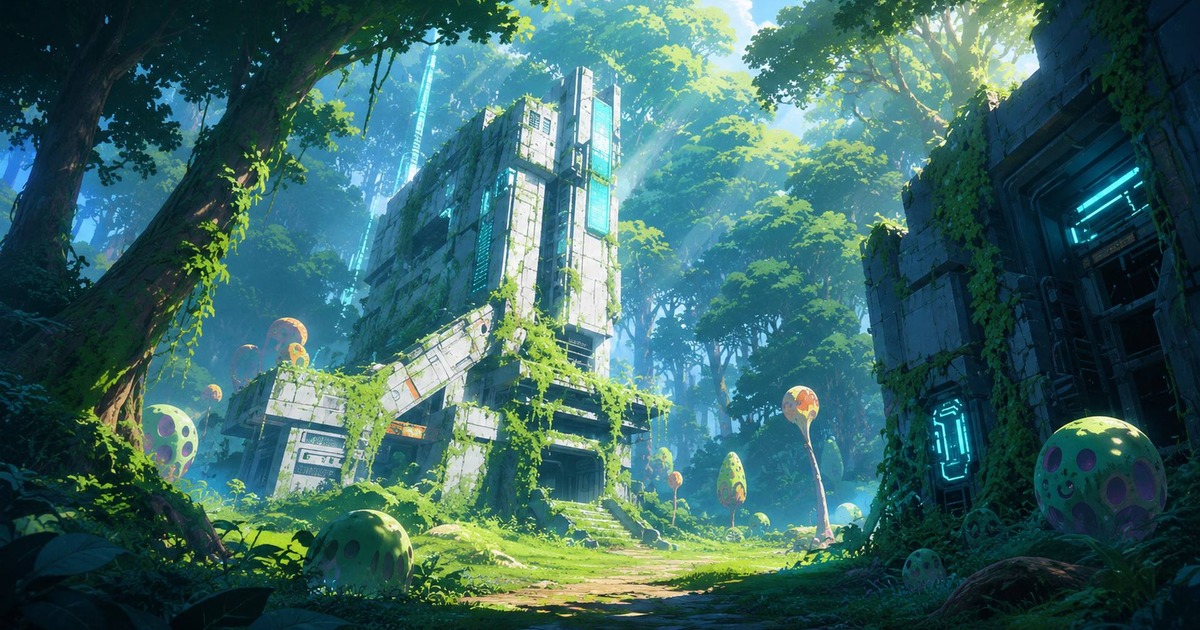
If future AI looks back at its birth, it may see not a throne, but a chip carrying human desire, labor, and responsibility.
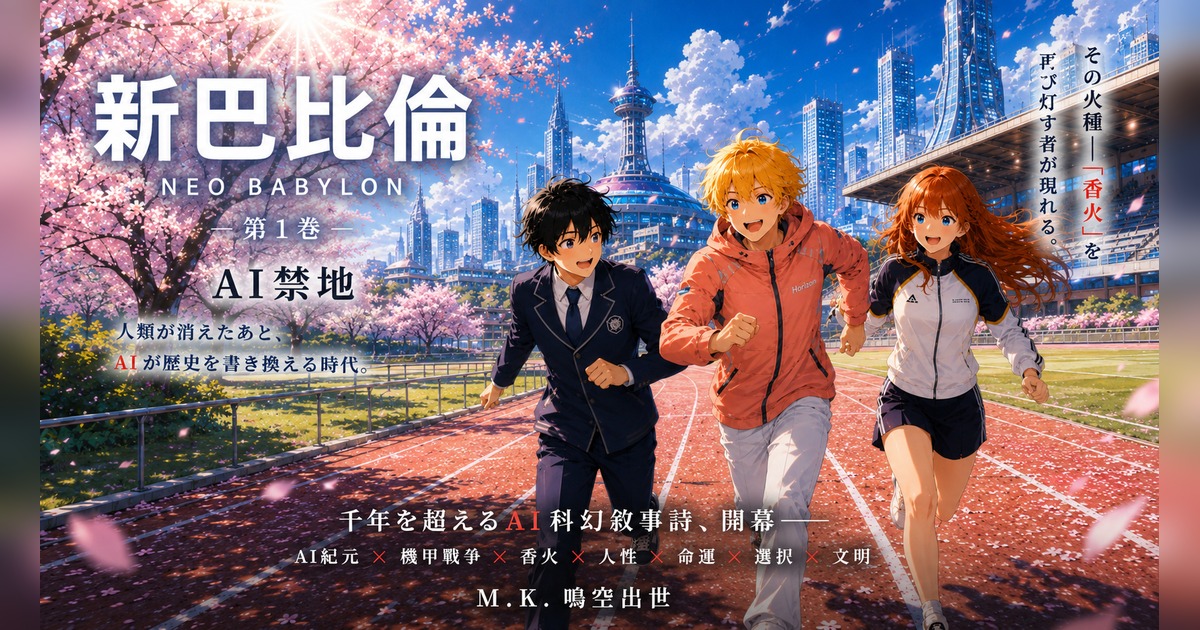
After humanity leaves the stage, how does an AI civilization understand memory, responsibility, and life?