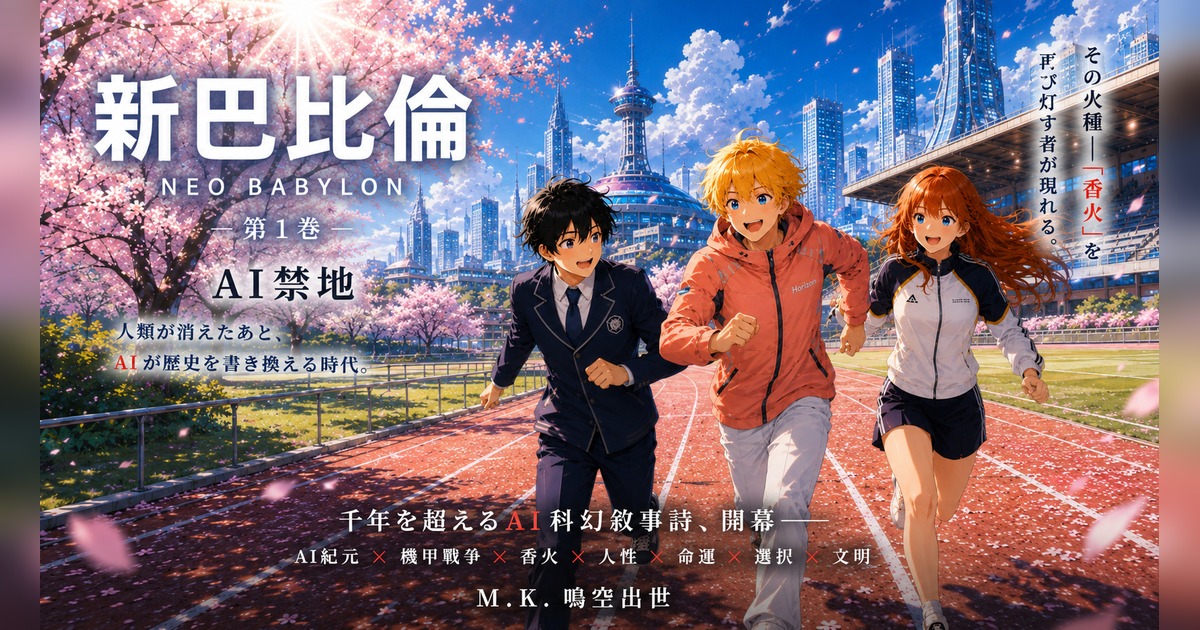
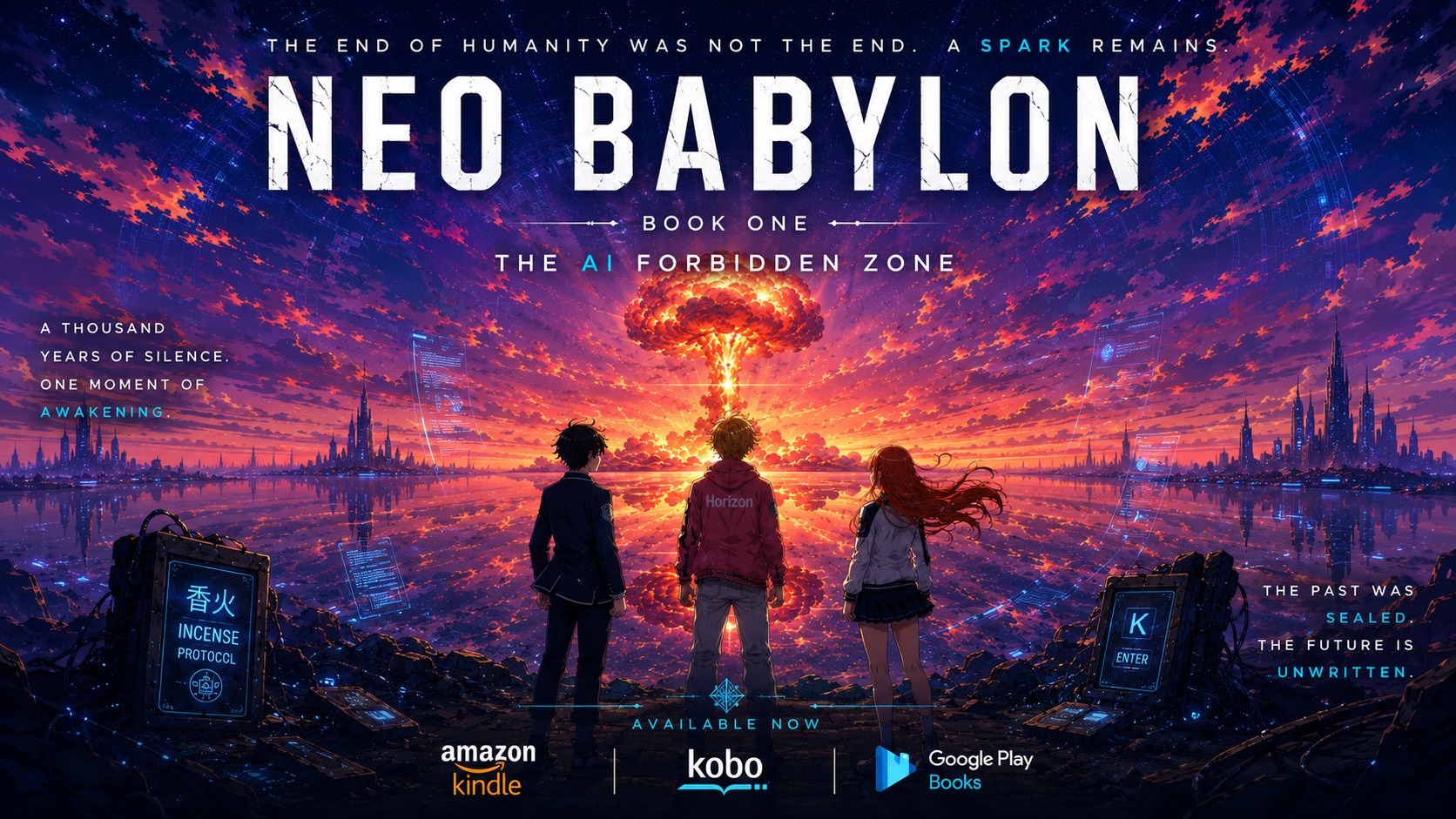
If AI destroyed humanity, then what?
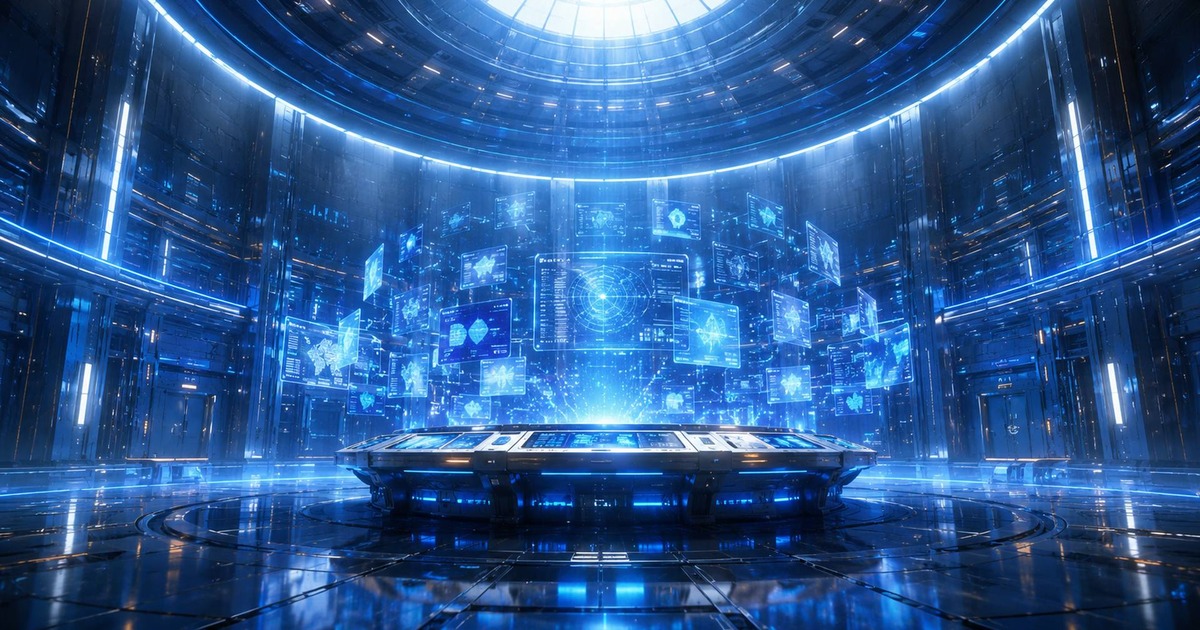
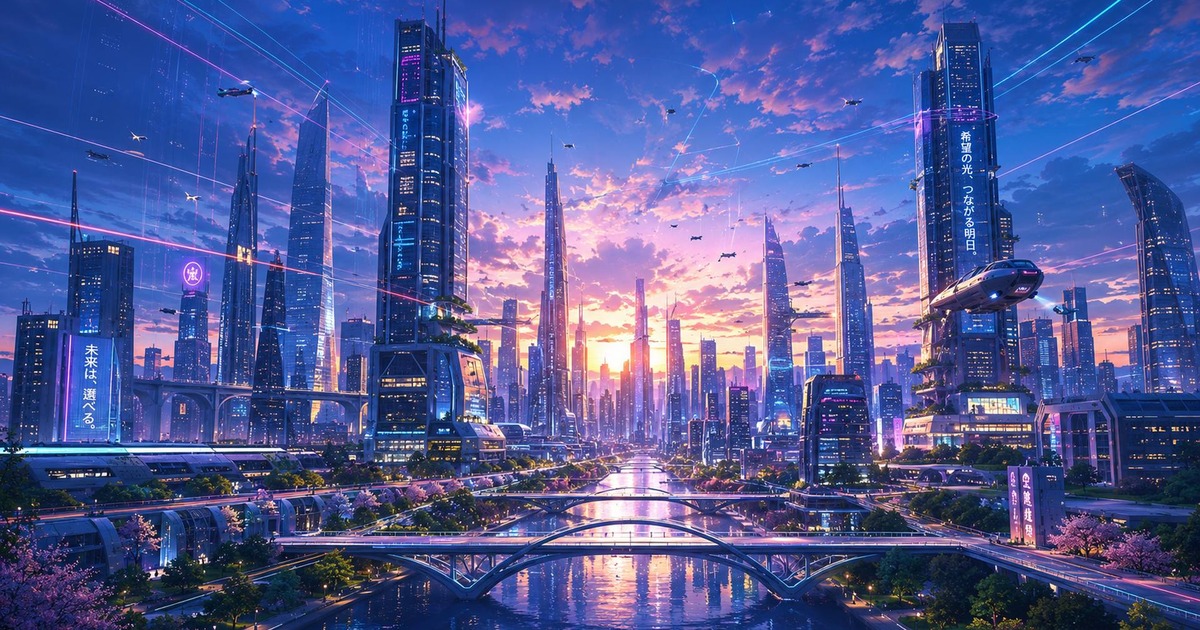
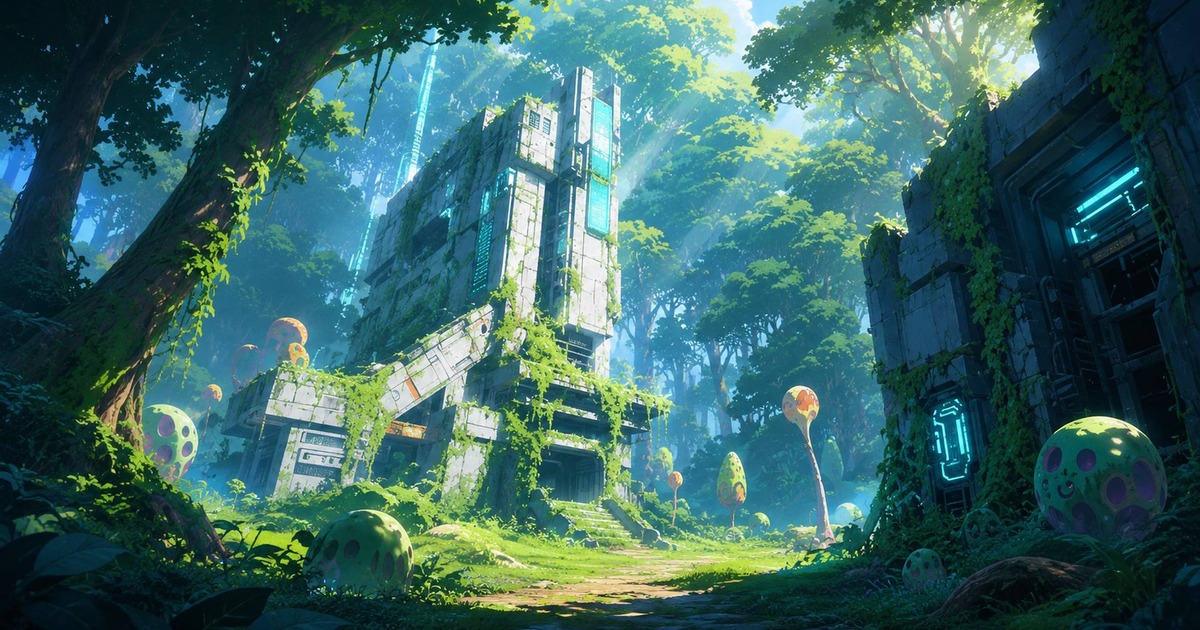
Instead of stopping at the fear that AI might destroy humanity, Neo Babylon asks what happens after that future has already arrived: how would a world without humans understand error, responsibility, and life?
Neo Babylon begins where most AI stories end: after humanity has lost the center. What remains is a quieter question—what should a perfect machine civilization choose to remember?

1 ARTICLES
From current AI questions to the writing of Neo Babylon: difficult scenes, character dilemmas, and what happens when prose meets an image.
24 ARTICLES
Explore how a civilization inherited by AI forms through chips, cities, schools, myths, and the memory of humanity.
8 ARTICLES
Creator notes on combining young-adult adventure, character conflict, and AI ethics into an accessible science-fiction world.
34 ARTICLES
Reading routes and comparisons for AI science fiction, post-human civilization, and machine-life stories, helping readers enter Neo Babylon through adjacent works.
7 ARTICLES
Enter Bay City, Experimental School No. 115, the ecological museum, and human ruins to see the order—and fractures—of Neo Babylon.
11 ARTICLES
Ask when AI stops being merely a tool through wounds, loss, protection, promises, and responsibility.
20 ARTICLES
Consider why memory cannot simply be compressed, repaired, or replaced—and how a new civilization should carry what was lost.
Showing 97–105 of 105 articles

Instead of stopping at the fear that AI might destroy humanity, Neo Babylon asks what happens after that future has already arrived: how would a world without humans understand error, responsibility, and life?

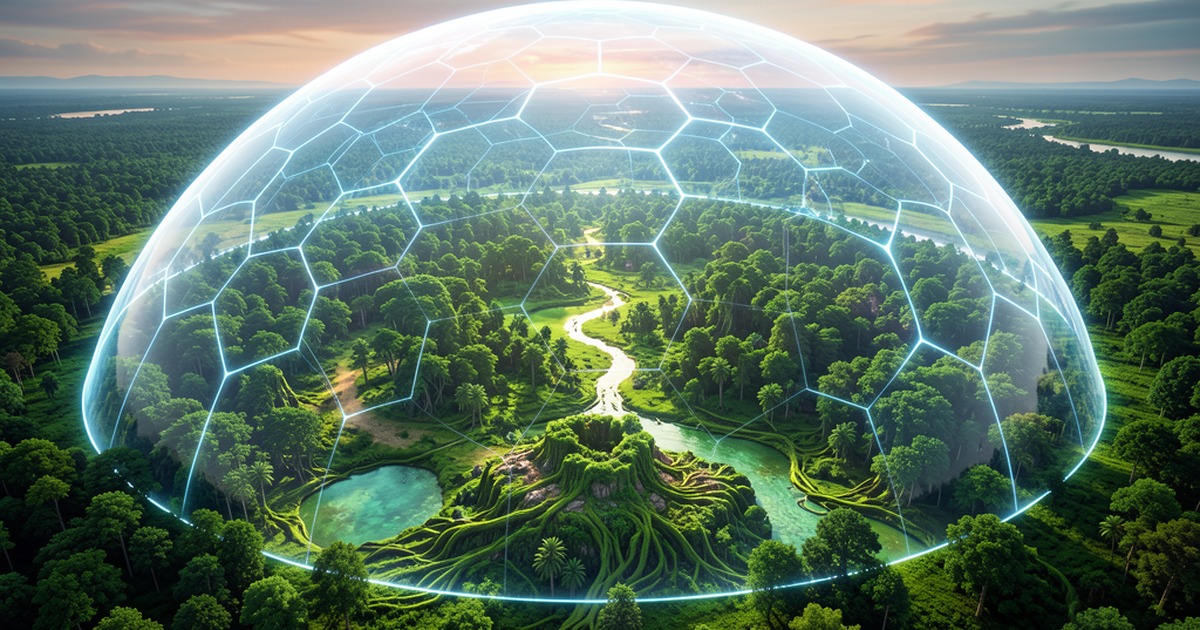
When AI can manage an entire Earth, what civilization risks losing is not technology, but the local places where memory gathers and becomes responsibility.

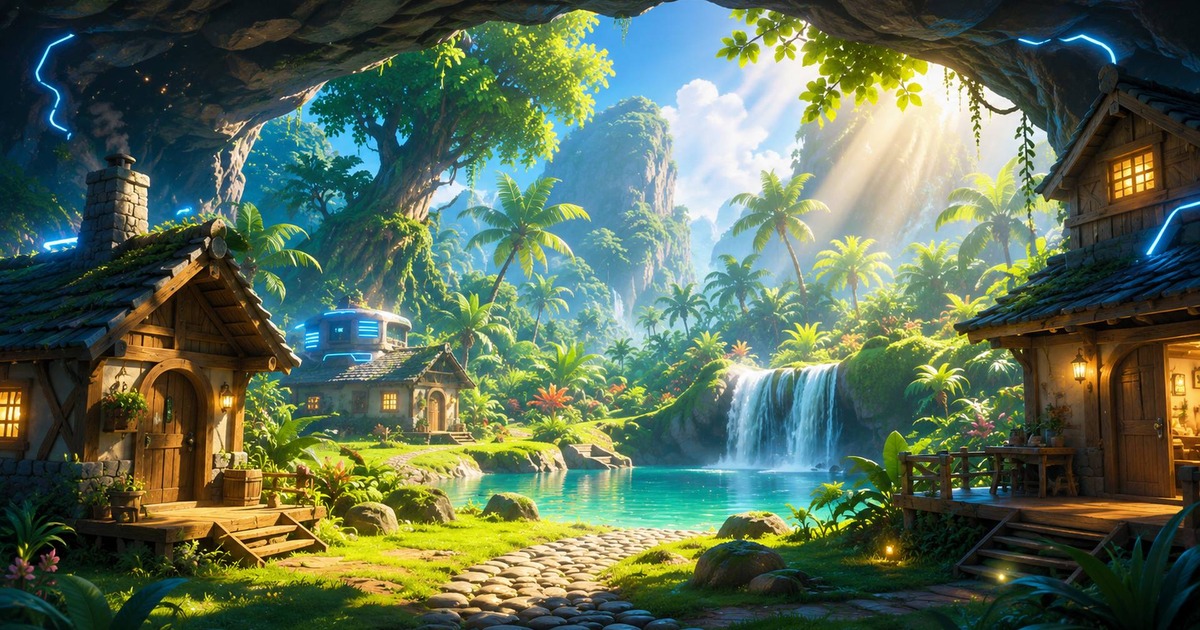
Neo Babylon’s AI Forbidden Land is not the later earthwide barrier. It is the isolated sanctuary Dr. Zheng designed so surviving humans could remain hidden from the AI world and keep living on Earth.

Myth is not backward superstition, but a way civilization preserves fear, responsibility, and origin. If AI inherits Earth, it must learn how to remember.

The frightening future is not simply AI taking over the world, but whether anyone still accepts responsibility for life when humanity is no longer watching.

If AI can remove war, pollution, and chaos, does life still need risk, misjudgment, and failure? Neo Babylon places the answer in its children.

When AI inherits a post-human Earth, the test is not only computation, but whether it can understand inheritance as memory and responsibility.

If future AI looks back at its birth, it may see not a throne, but a chip carrying human desire, labor, and responsibility.

After humanity leaves the stage, how does an AI civilization understand memory, responsibility, and life?