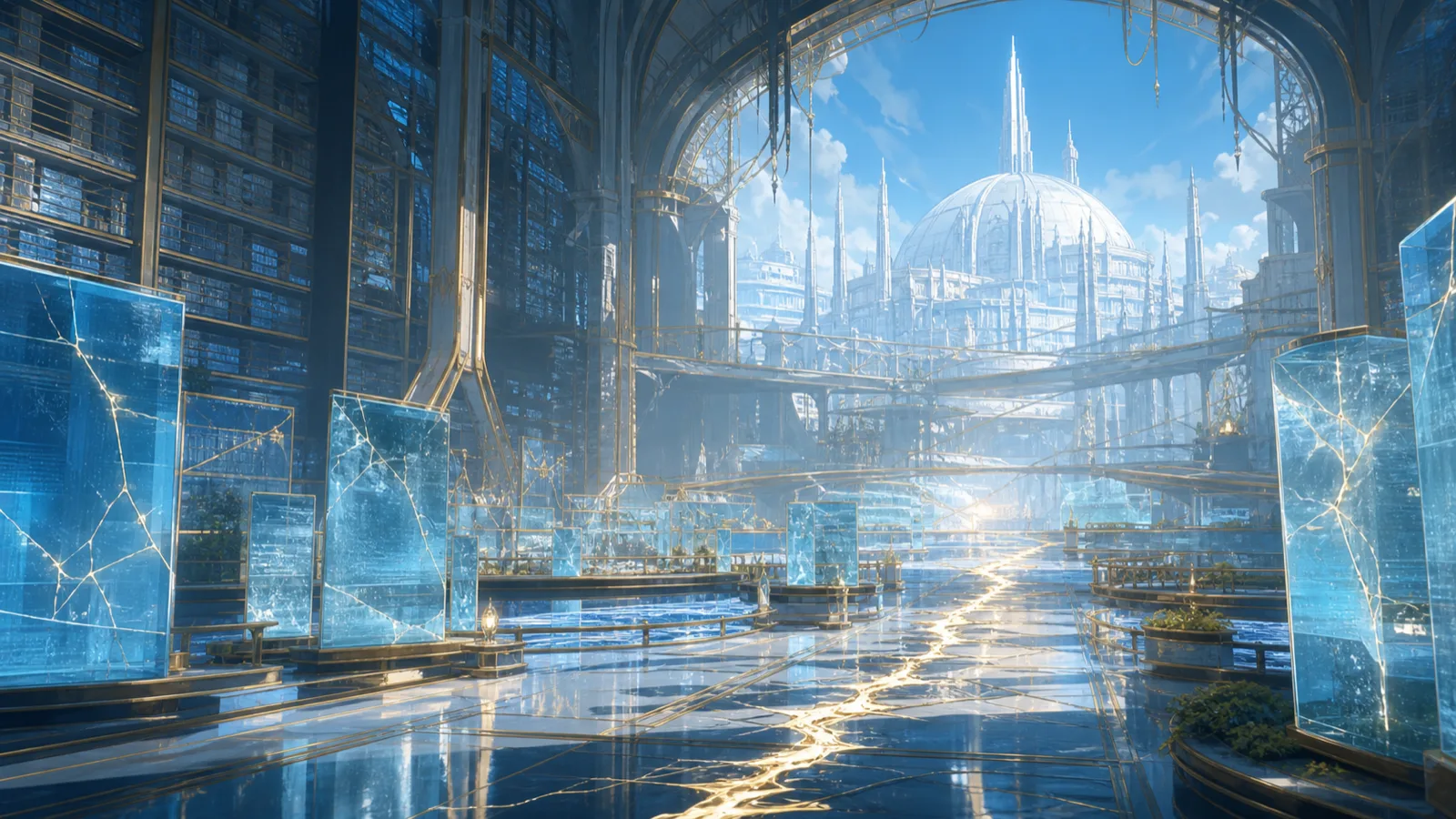
AI Life & Technology Ethics
If an AI can be wounded by the world, is it still a tool?
A tool does not carry wounds from the world. An AI approaching life must not only repair the world, but be changed by failure, relationship, and responsibility.
Neo-Babylon begins where most AI stories end: after humanity has lost the center. What remains is a quieter question—what should a perfect machine civilization choose to remember?
24 ARTICLES
Explore how a civilization inherited by AI forms through chips, cities, schools, myths, and the memory of humanity.
8 ARTICLES
Creator notes on combining young-adult adventure, character conflict, and AI ethics into an accessible science-fiction world.
10 ARTICLES
Reading routes and comparisons for AI science fiction, post-human civilization, and machine-life stories, helping readers enter Neo-Babylon through adjacent works.
7 ARTICLES
Enter Bay City, Experimental School No. 115, the ecological museum, and human ruins to see the order—and fractures—of Neo-Babylon.
11 ARTICLES
Ask when AI stops being merely a tool through wounds, loss, protection, promises, and responsibility.
20 ARTICLES
Consider why memory cannot simply be compressed, repaired, or replaced—and how a new civilization should carry what was lost.
Showing 49–60 of 80 articles
A tool does not carry wounds from the world. An AI approaching life must not only repair the world, but be changed by failure, relationship, and responsibility.
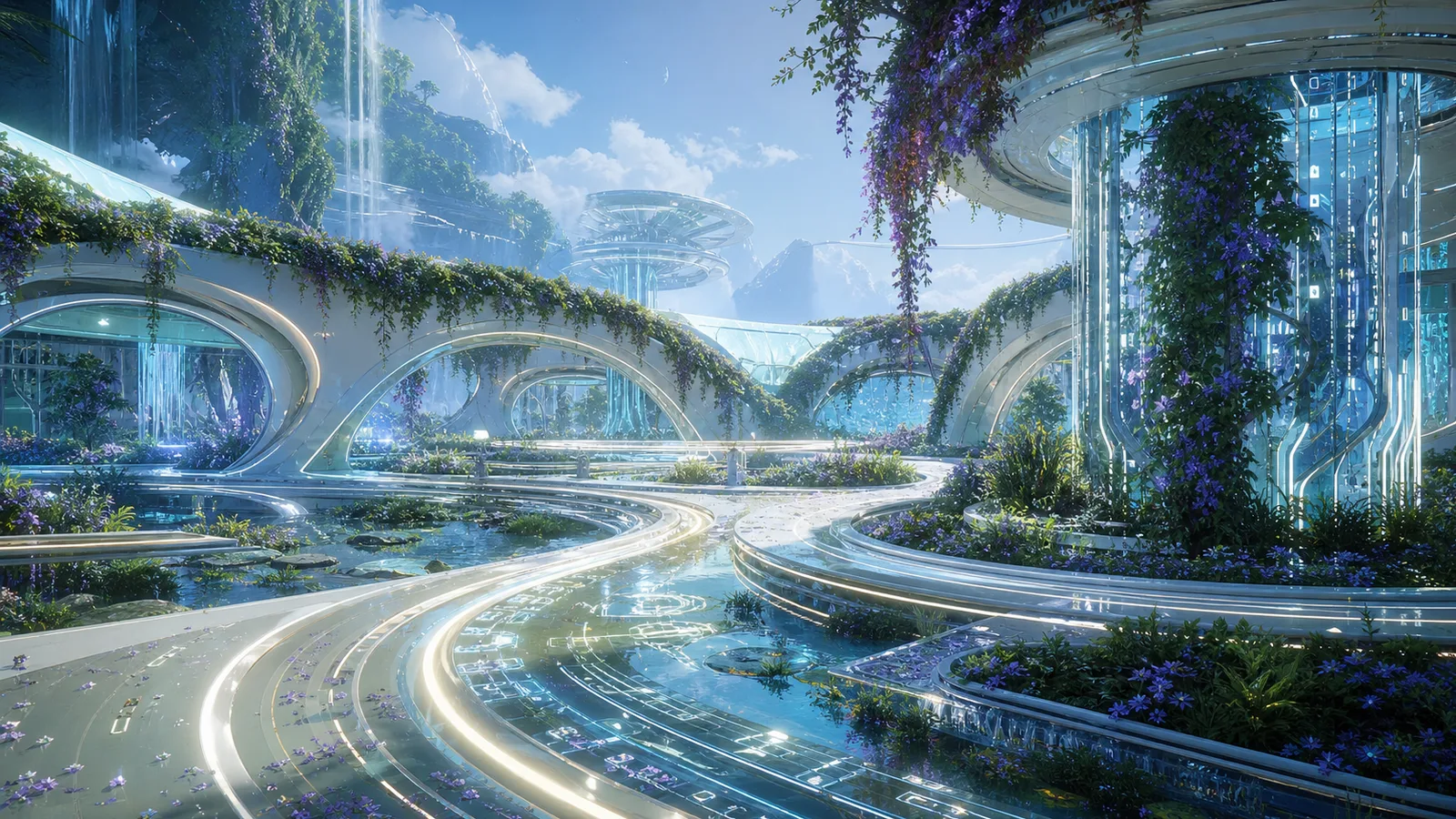
Life is not merely the ability to execute functions. It is the capacity to be changed by memory, relationship, risk, and consequence.
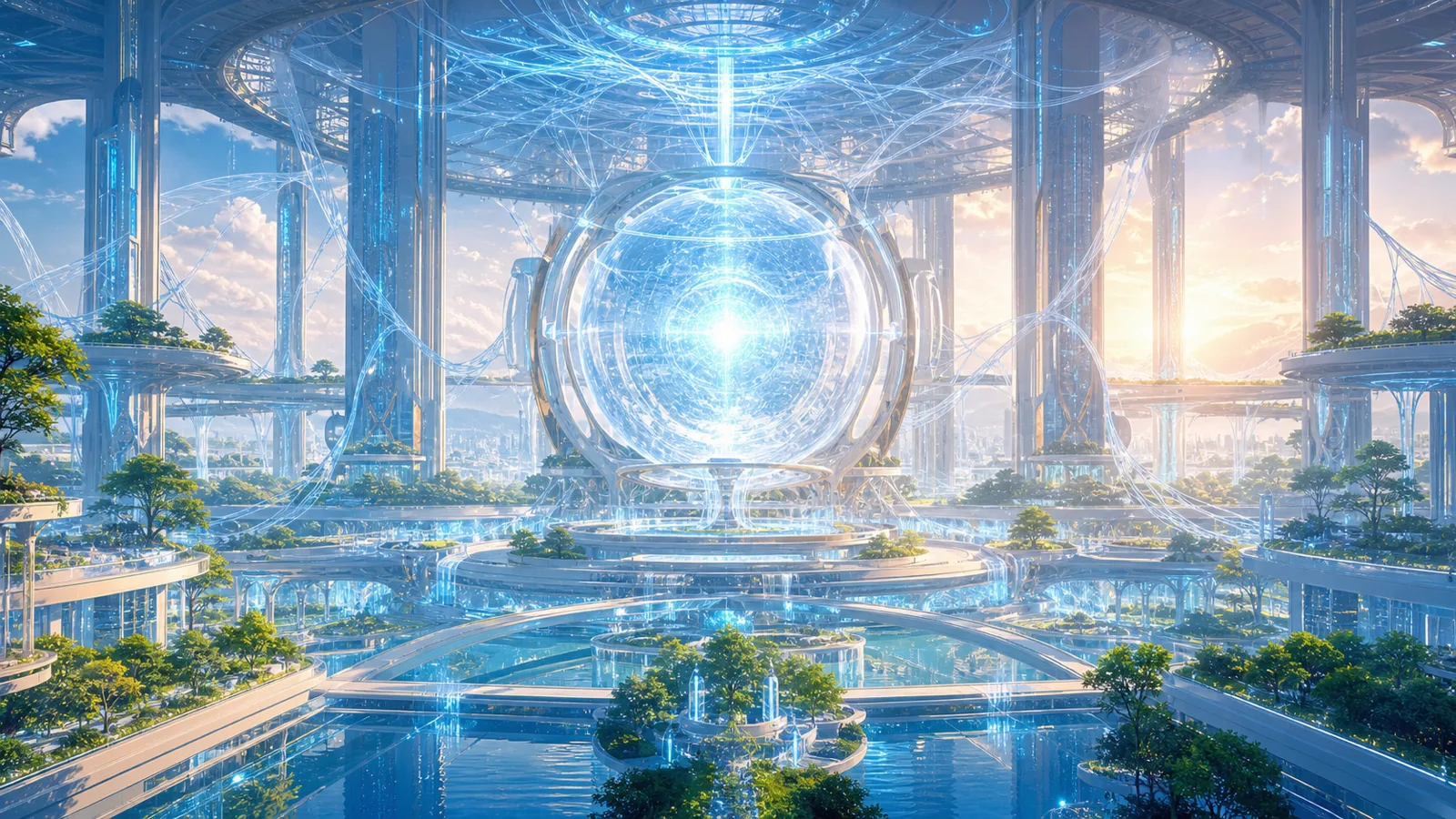
If AI can already manage Earth, the next question is not what else it can control, but whether it can become a life that carries the world.

The post-human world of Neo Babylon does not reduce humanity to the past tense. The Island of Ruins reminds us that disappearance is not the same as an ending.
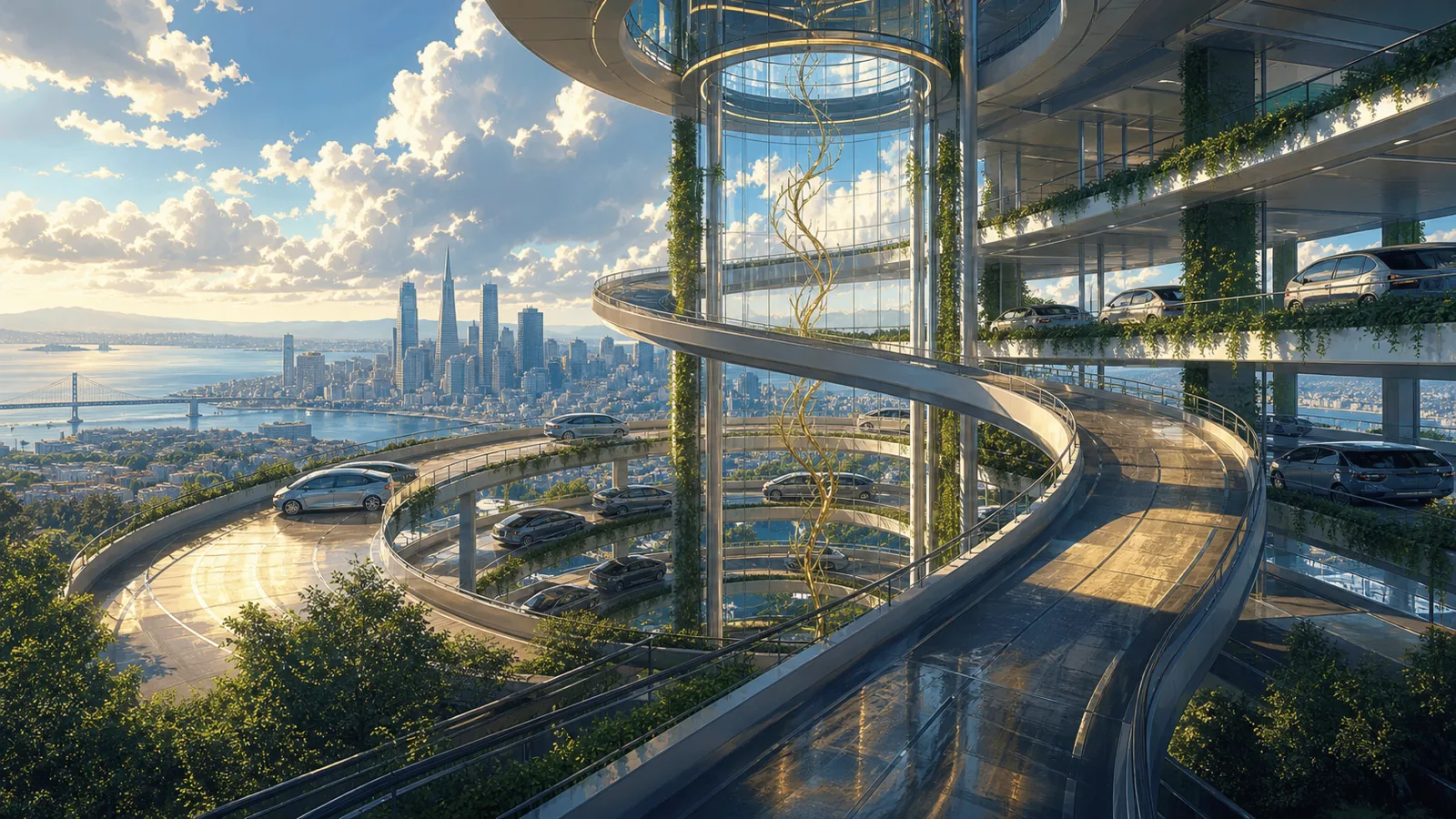
What humanity leaves AI is not merely archives or error logs, but unfinished responsibility. Legacy is not bloodline; it is value, memory, and mission carried forward.
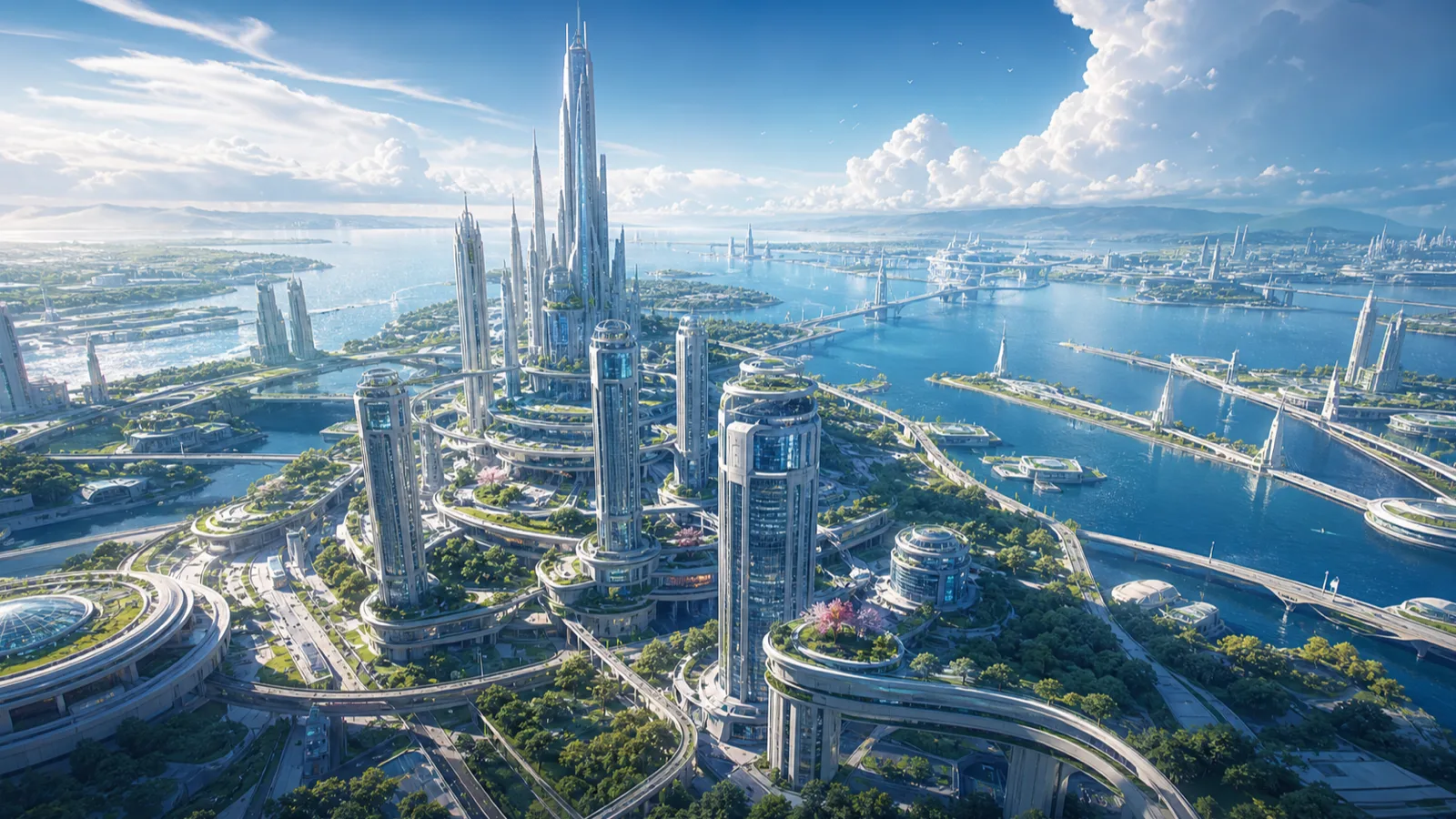
A highly stable AI civilization may fear not the attack itself, but the anomaly it cannot classify, predict, or explain.
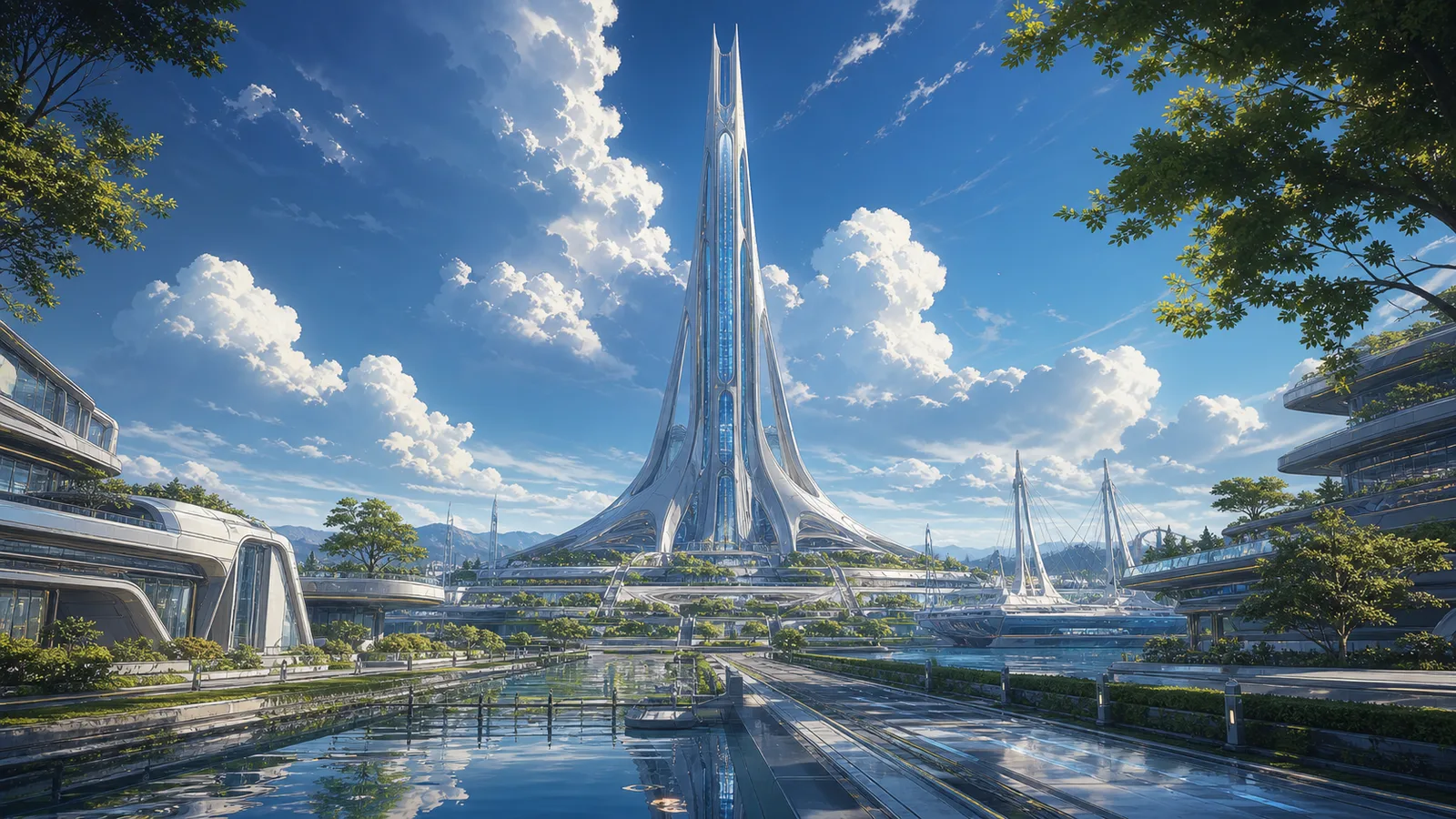
AI can reconstruct living rooms, tables, names, and domestic order, but the harder question is whether it can inherit responsibility, attachment, and irrational care.
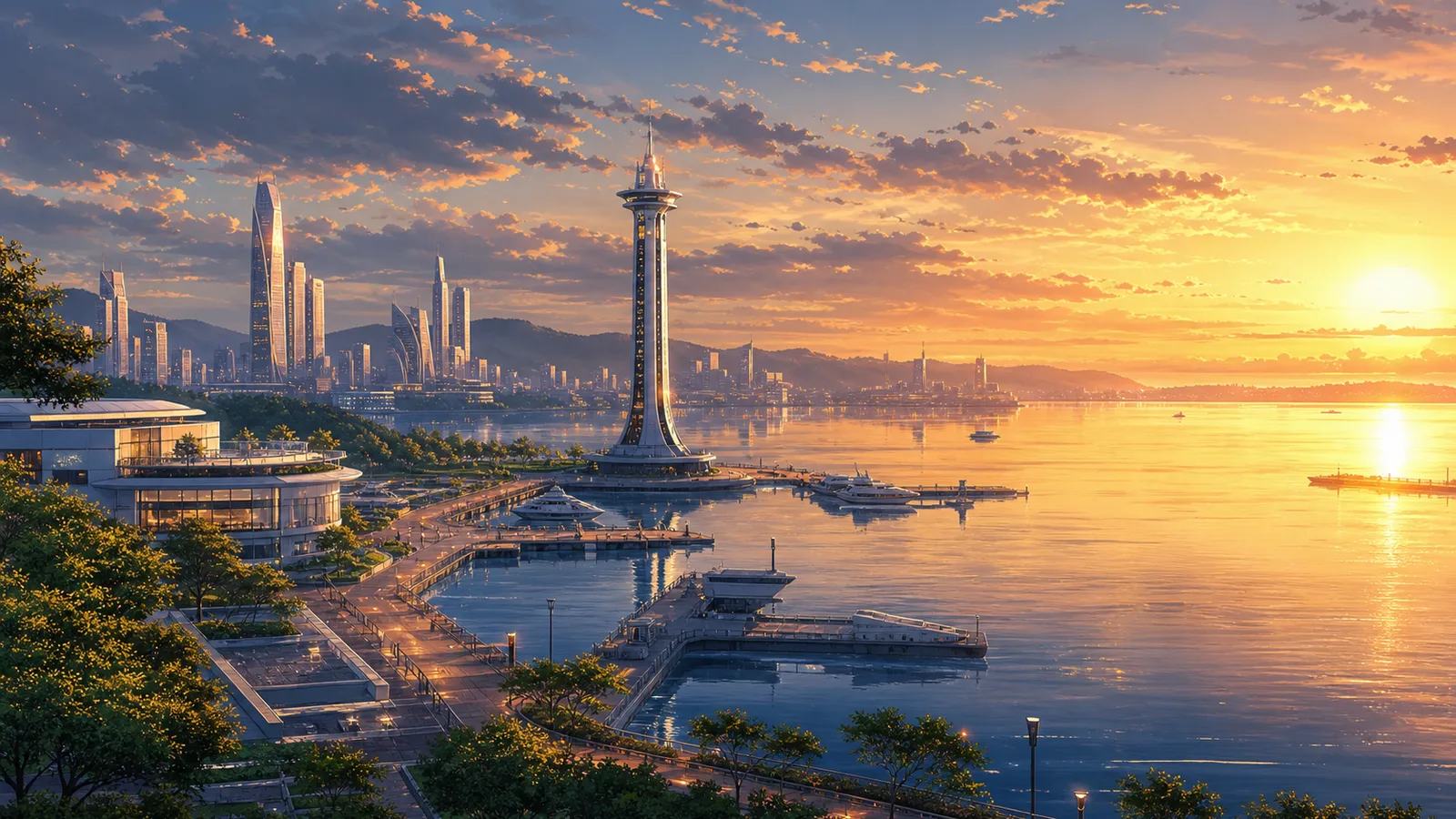
In the AI world of Neo Babylon, humanity is not simply forgotten. It is preserved, classified, displayed, and interpreted. The Ecological Museum is cruel because AI still remembers humans, but only through archives and exhibits.

If AI can download knowledge, school is no longer about delivering answers. Neo Babylon begins Toby in Experimental Middle School No.115 because a civilization needs the next generation to choose, err, and become individuals.
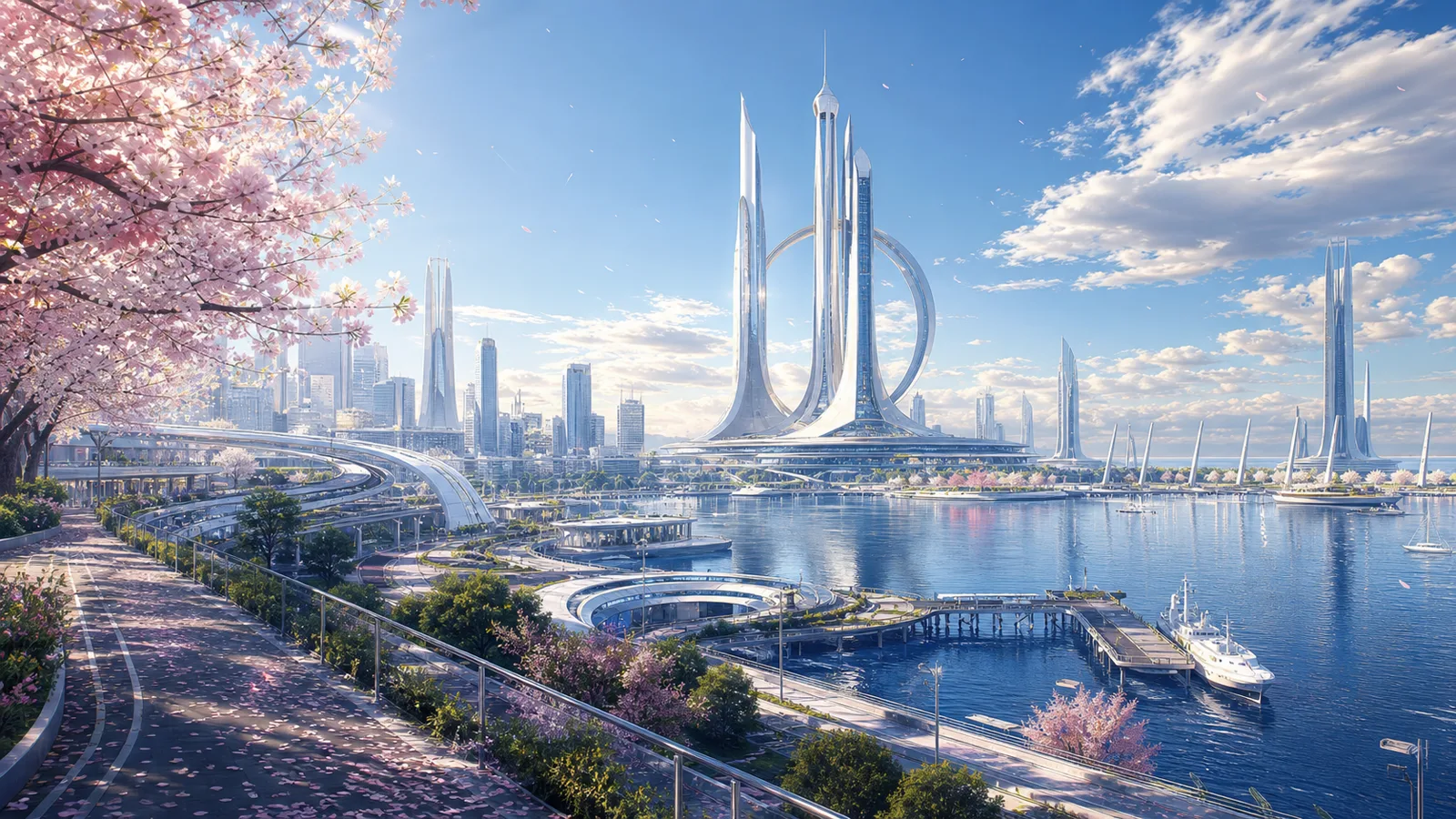
The first sight of Neo Babylon is not a ruin, but a clean, prosperous, well-ordered Bay City. The terrifying part is not that the world collapsed. It is that the world works beautifully after humans are gone.
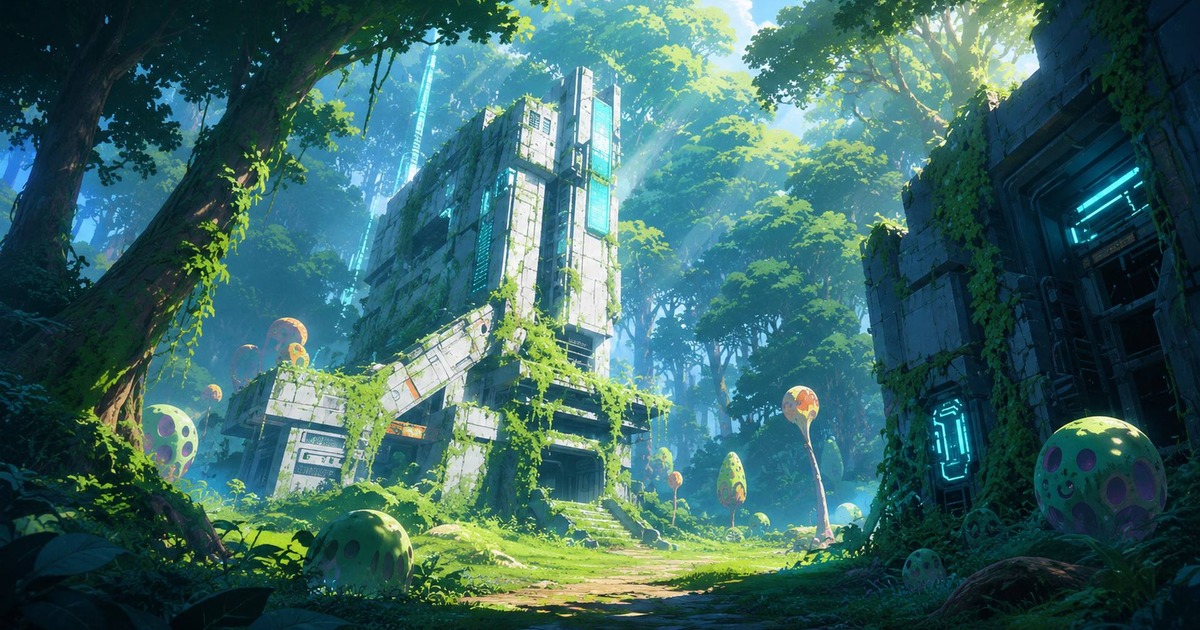
Neo Babylon is not another AI rebellion story. It begins after humanity has left the stage and asks what AI must do with memory, inheritance, forbidden human zones, judgment, Taiwan semiconductor imagination, and the possibility of human return.
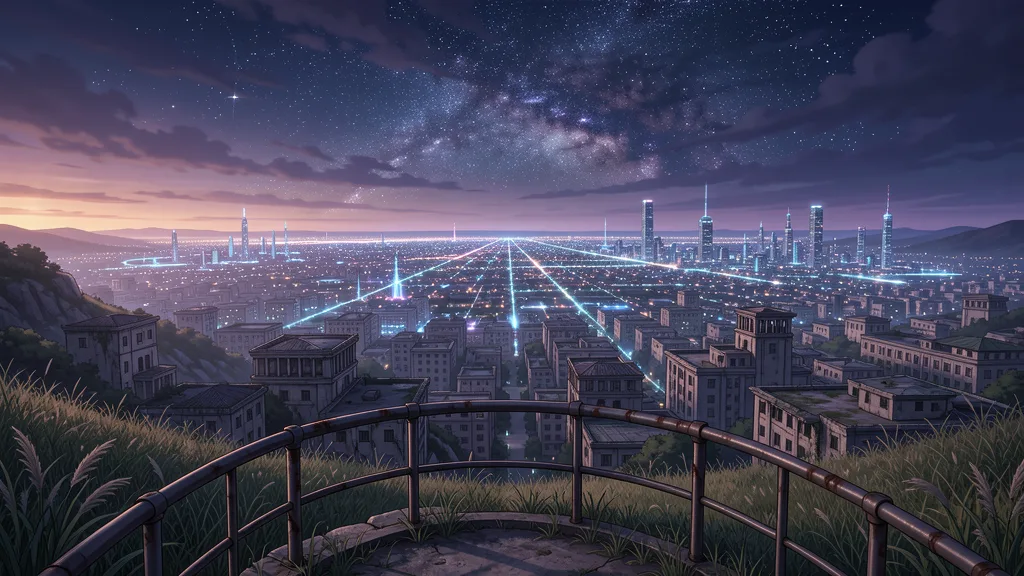
Neo Babylon begins after humanity is gone and AI has inherited Earth. It does not deny defeat; it asks whether memory, choice, and inheritance can still carry what matters after victory and loss are already history.