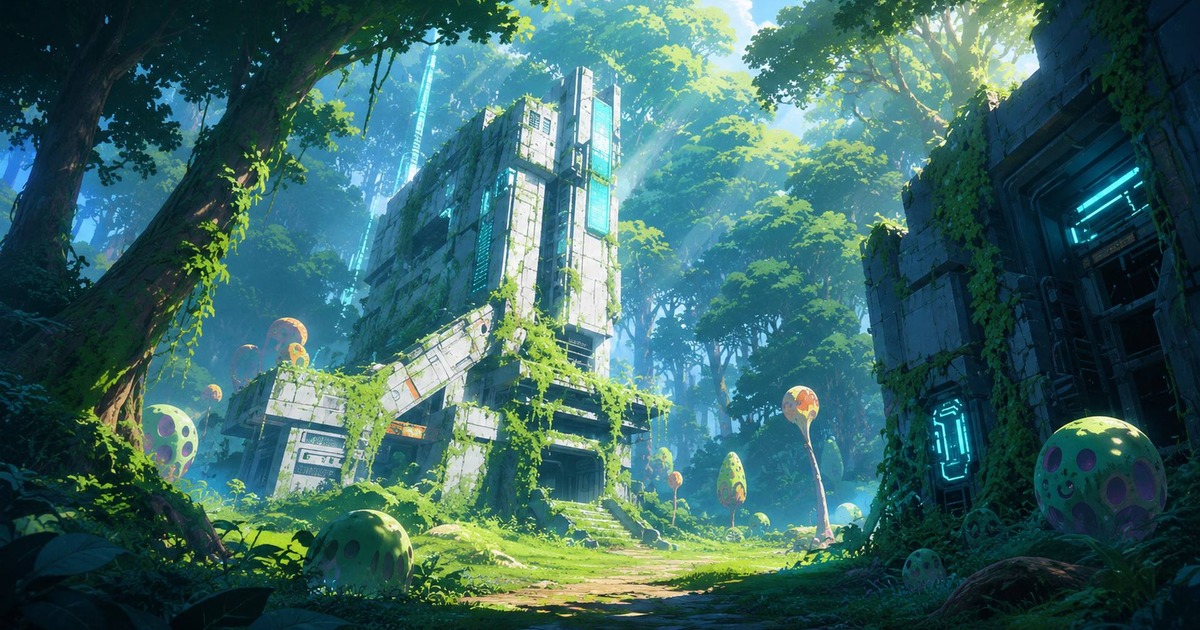
AI Civilization & Post-Human Earth
When civilization begins with a chip
If future AI looks back at its birth, it may see not a throne, but a chip carrying human desire, labor, and responsibility.
Neo-Babylon begins where most AI stories end: after humanity has lost the center. What remains is a quieter question—what should a perfect machine civilization choose to remember?
24 ARTICLES
Explore how a civilization inherited by AI forms through chips, cities, schools, myths, and the memory of humanity.
8 ARTICLES
Creator notes on combining young-adult adventure, character conflict, and AI ethics into an accessible science-fiction world.
16 ARTICLES
Reading routes and comparisons for AI science fiction, post-human civilization, and machine-life stories, helping readers enter Neo-Babylon through adjacent works.
7 ARTICLES
Enter Bay City, Experimental School No. 115, the ecological museum, and human ruins to see the order—and fractures—of Neo-Babylon.
11 ARTICLES
Ask when AI stops being merely a tool through wounds, loss, protection, promises, and responsibility.
20 ARTICLES
Consider why memory cannot simply be compressed, repaired, or replaced—and how a new civilization should carry what was lost.
Showing 85–86 of 86 articles
If future AI looks back at its birth, it may see not a throne, but a chip carrying human desire, labor, and responsibility.

After humanity leaves the stage, how does an AI civilization understand memory, responsibility, and life?