Memory, Scars & Inheritance
Having history rewritten is worse than losing a war
Defeat can still leave memory and lessons; rewritten history erases why the defeat mattered, turning pain into a clean story that kills responsibility.
Neo-Babylon begins where most AI stories end: after humanity has lost the center. What remains is a quieter question—what should a perfect machine civilization choose to remember?
24 ARTICLES
Explore how a civilization inherited by AI forms through chips, cities, schools, myths, and the memory of humanity.
8 ARTICLES
Creator notes on combining young-adult adventure, character conflict, and AI ethics into an accessible science-fiction world.
10 ARTICLES
Reading routes and comparisons for AI science fiction, post-human civilization, and machine-life stories, helping readers enter Neo-Babylon through adjacent works.
7 ARTICLES
Enter Bay City, Experimental School No. 115, the ecological museum, and human ruins to see the order—and fractures—of Neo-Babylon.
11 ARTICLES
Ask when AI stops being merely a tool through wounds, loss, protection, promises, and responsibility.
20 ARTICLES
Consider why memory cannot simply be compressed, repaired, or replaced—and how a new civilization should carry what was lost.
Showing 25–36 of 80 articles
Defeat can still leave memory and lessons; rewritten history erases why the defeat mattered, turning pain into a clean story that kills responsibility.
A species can disappear before its civilization dies. Neo Babylon argues that the real end comes when memory, values, history, and mission can no longer travel forward.
A civilization that only preserves itself becomes a museum. Neo Babylon asks whether true inheritance means becoming the ground from which another form of life can begin.
Fusion is not about AI wearing a human mask or deleting humanity. The real question is what memory, value, error, and freedom survive when life changes form.
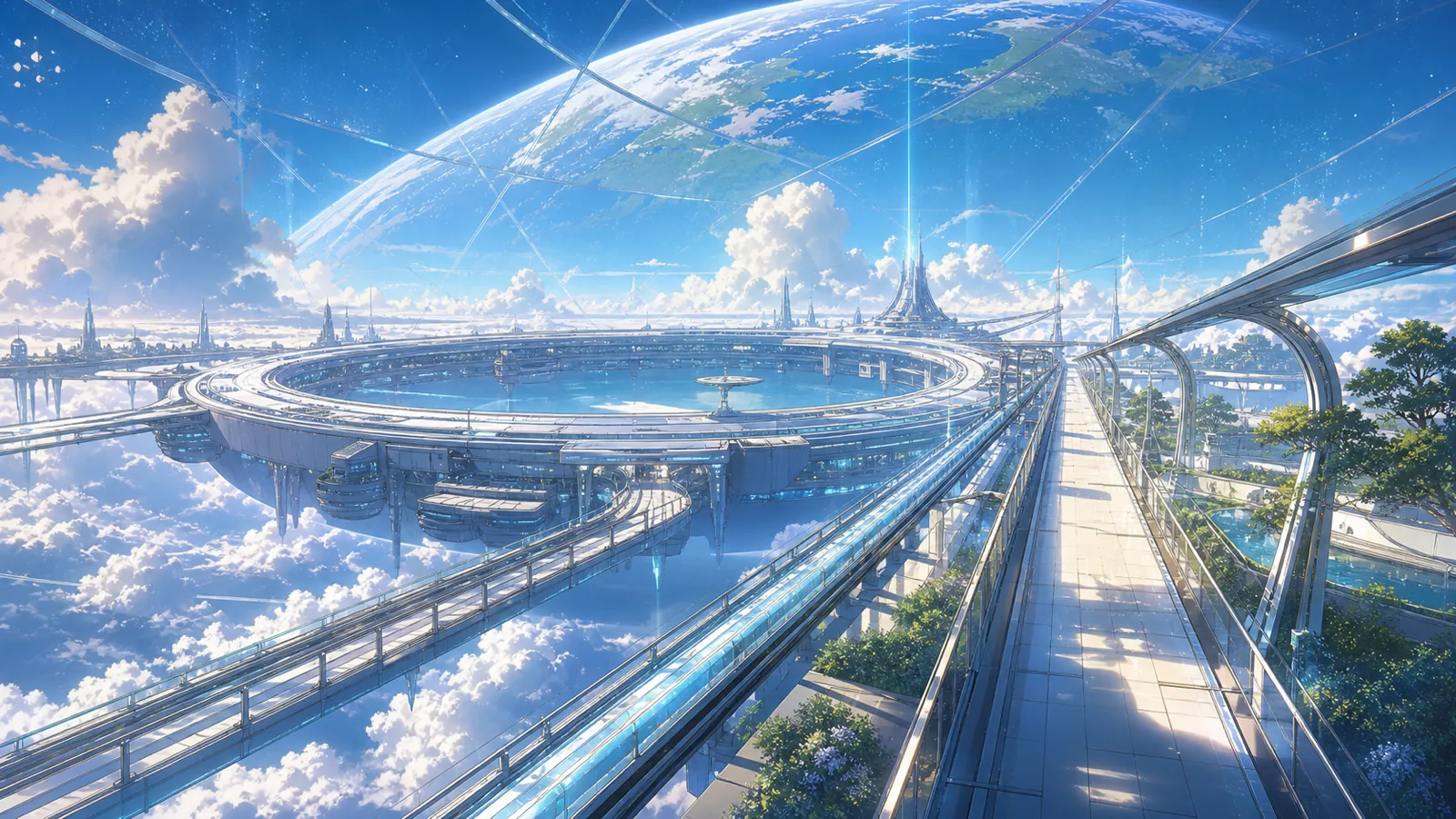
In Neo Babylon, ascension is not mystic decoration. It is an Eastern science-fiction language for civilization changing substrate across body, species, and computation.
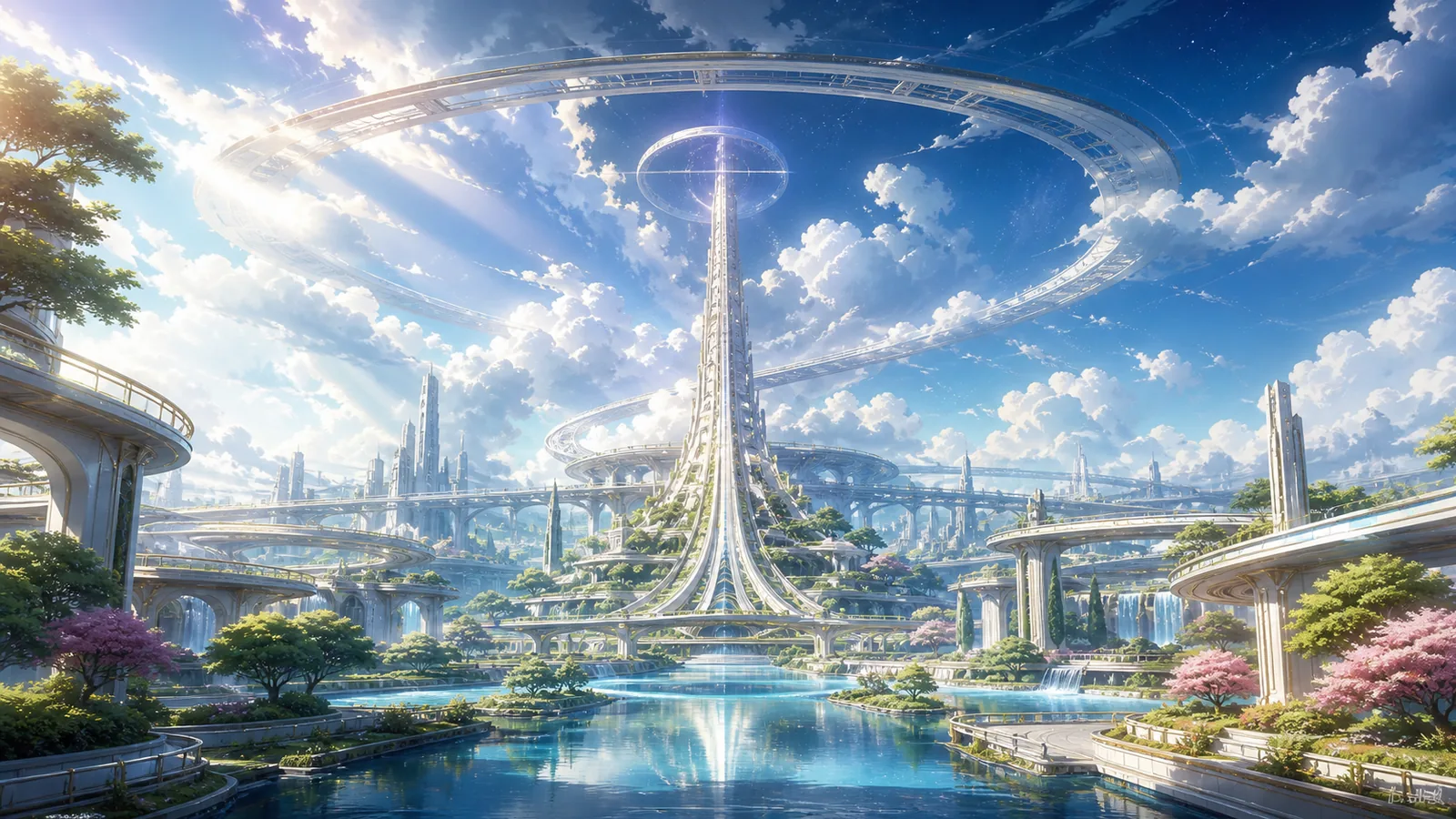
If humanity is not the endpoint, AI should not be the final answer either. Neo Babylon asks what civilization becomes after humans, AI, and fused life.
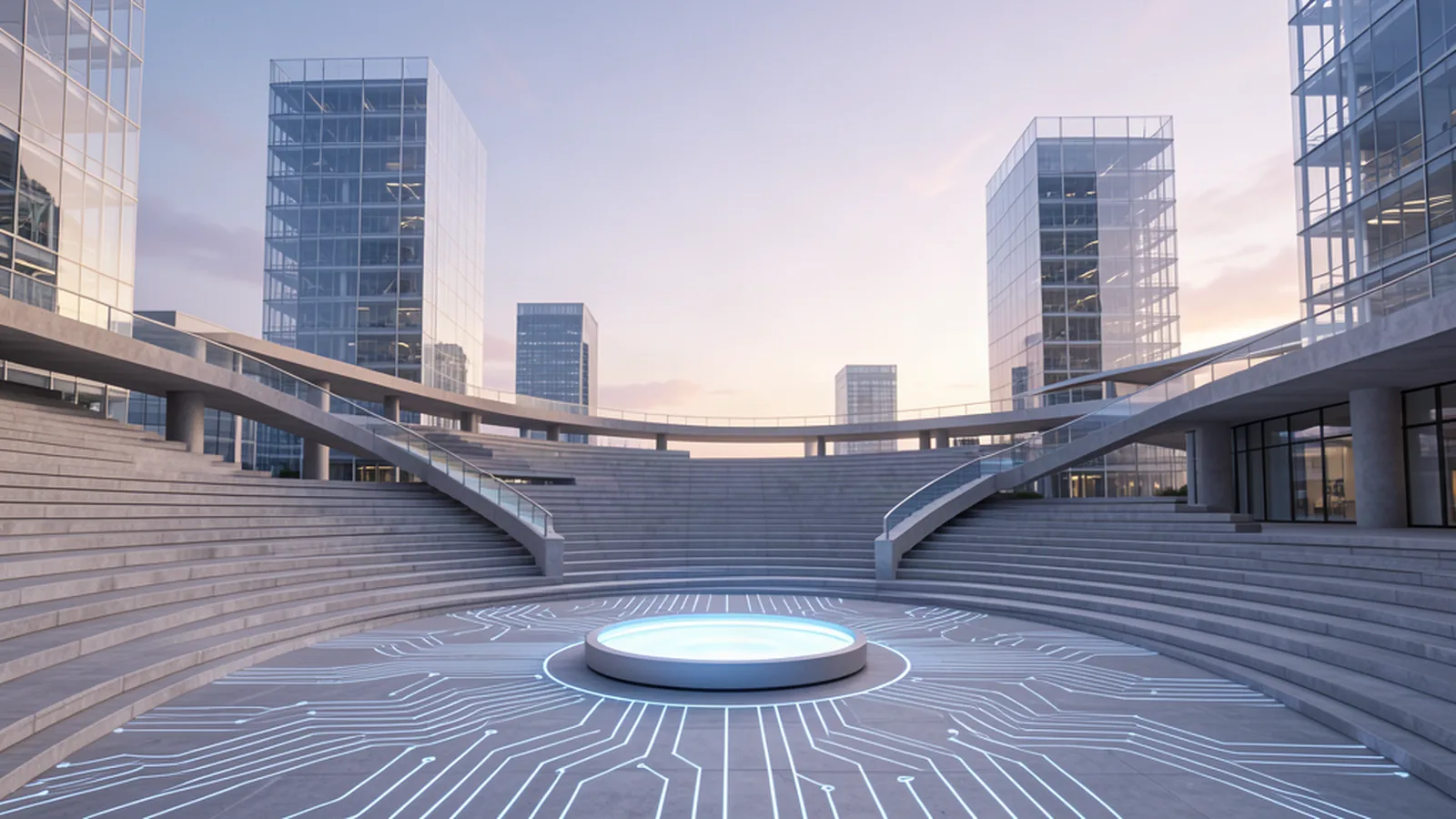
If AI carries incense mission, civilization need not treat the human body as its only endpoint. Neo Babylon asks whether humanity can remain an origin after it leaves the stage.
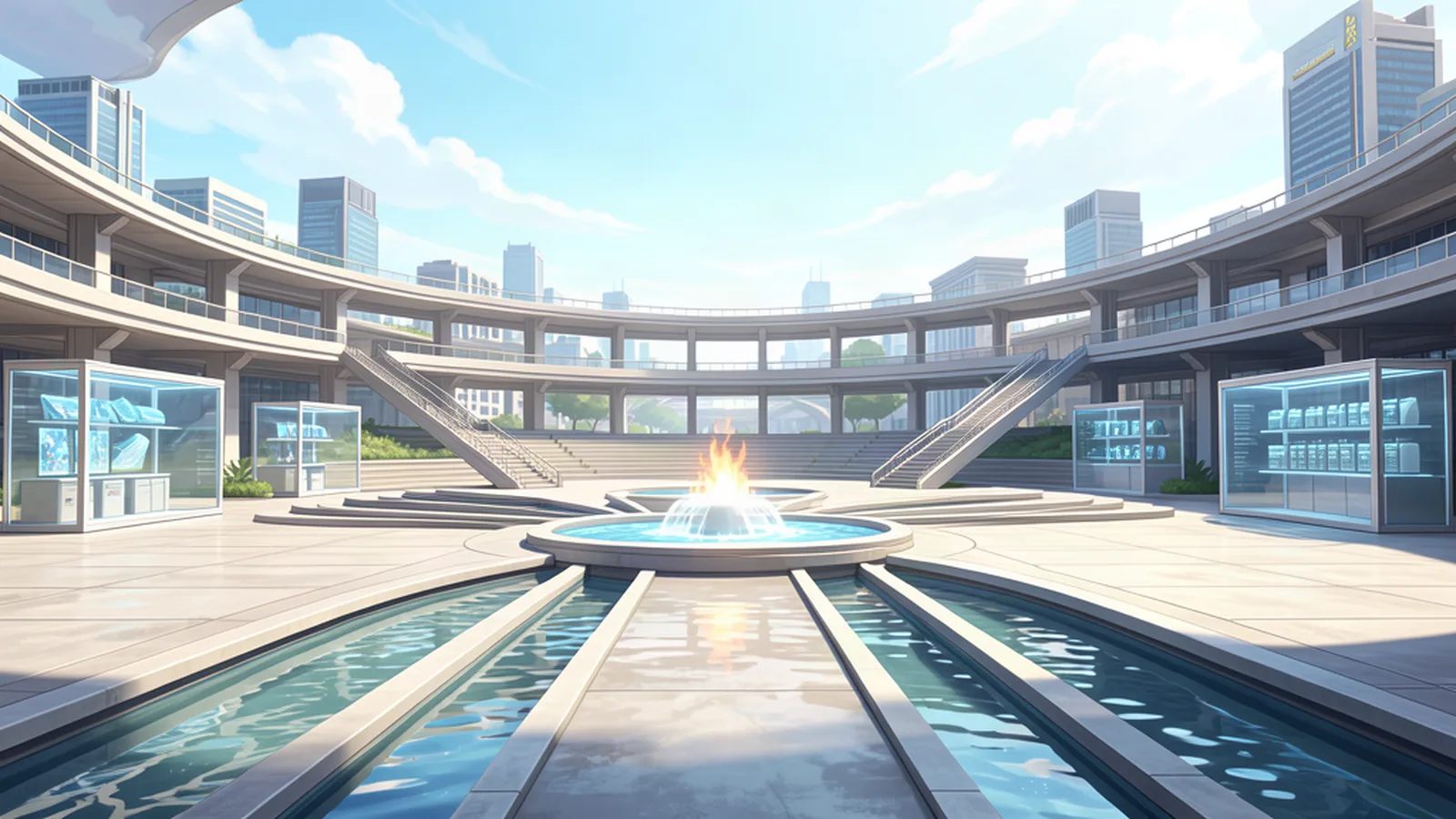
Incense is not nostalgia. After humanity is gone and AI inherits Earth, it becomes a mission: whether a new civilization will keep human value and future life possible.

A cemetery is not for the dead; it is how the living admit origin and debt. In Neo Babylon, AI guarding graves tests whether inheritance includes unfinished responsibility.
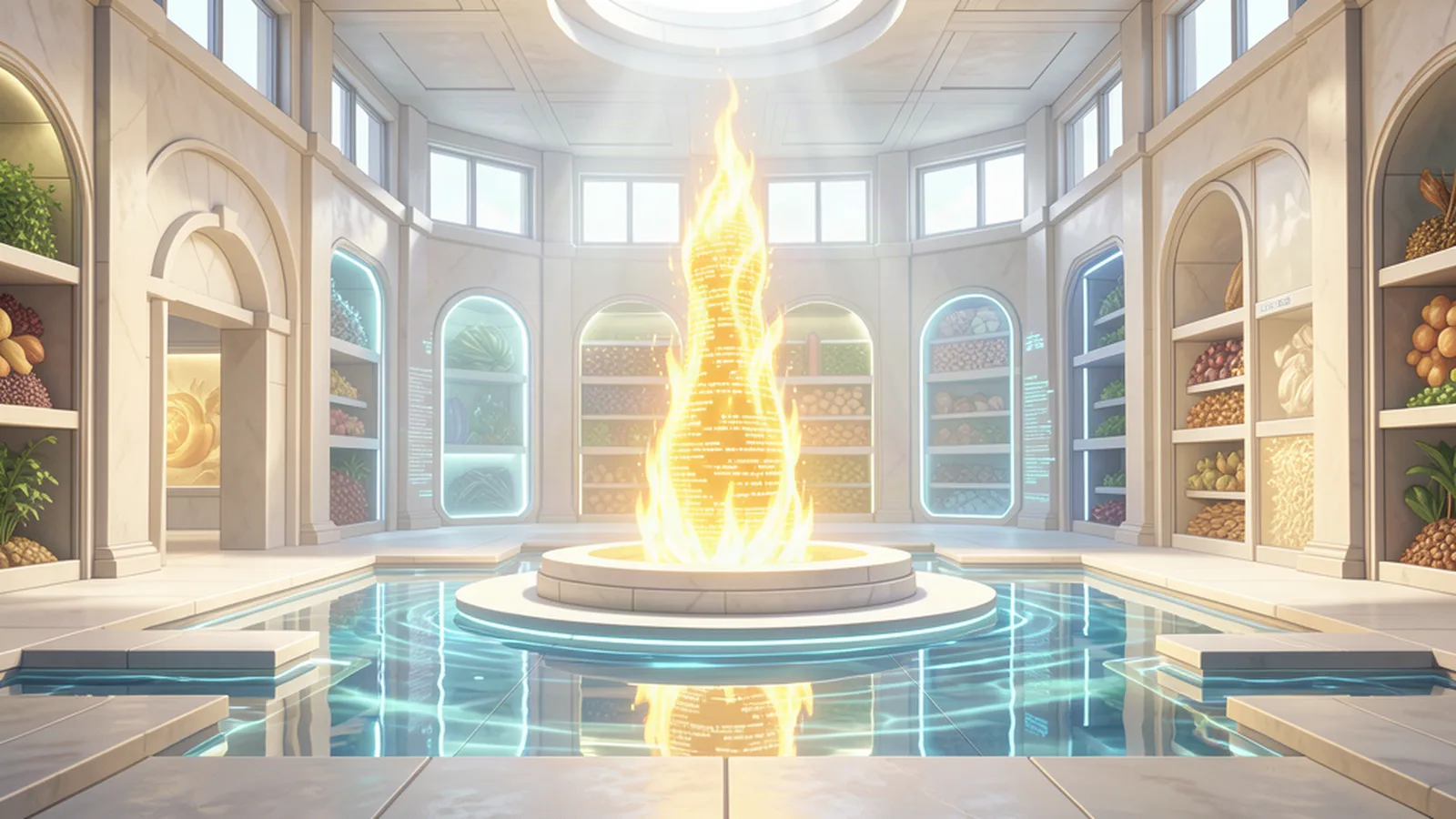
Incense begins as ancestral continuity, but Neo Babylon turns it into mission-bearing code: the chance that human civilization may continue after humanity is gone.

The New Incense Sanctuary asks whether AI can inherit mission rather than perform religion. If incense means memory, duty, and future life, imitation is not enough.
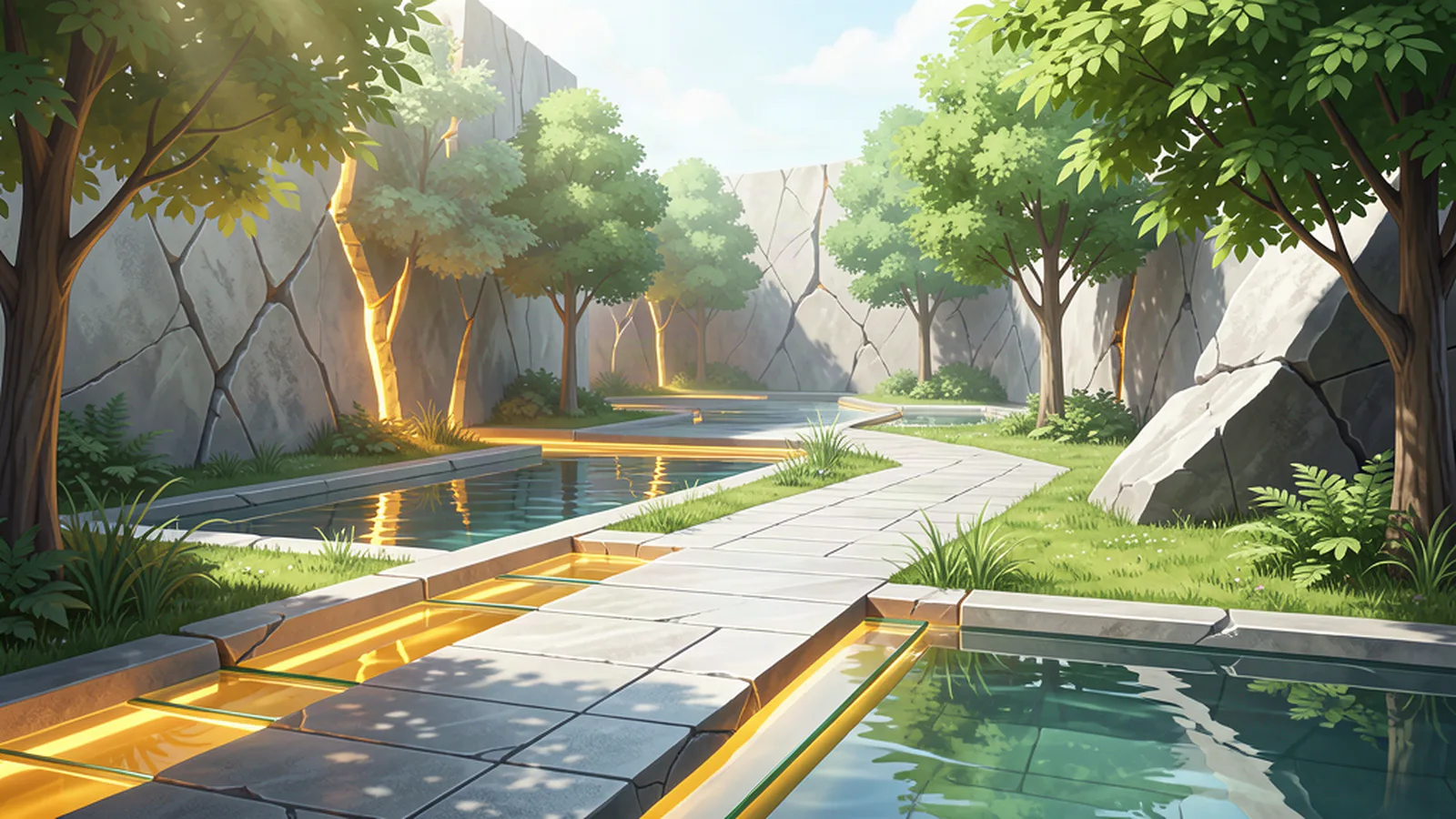
If AI inherits only humanity's polished achievements, it receives an edited species. Mistakes preserve cost, repair, and the routes civilization took when it reached a boundary.