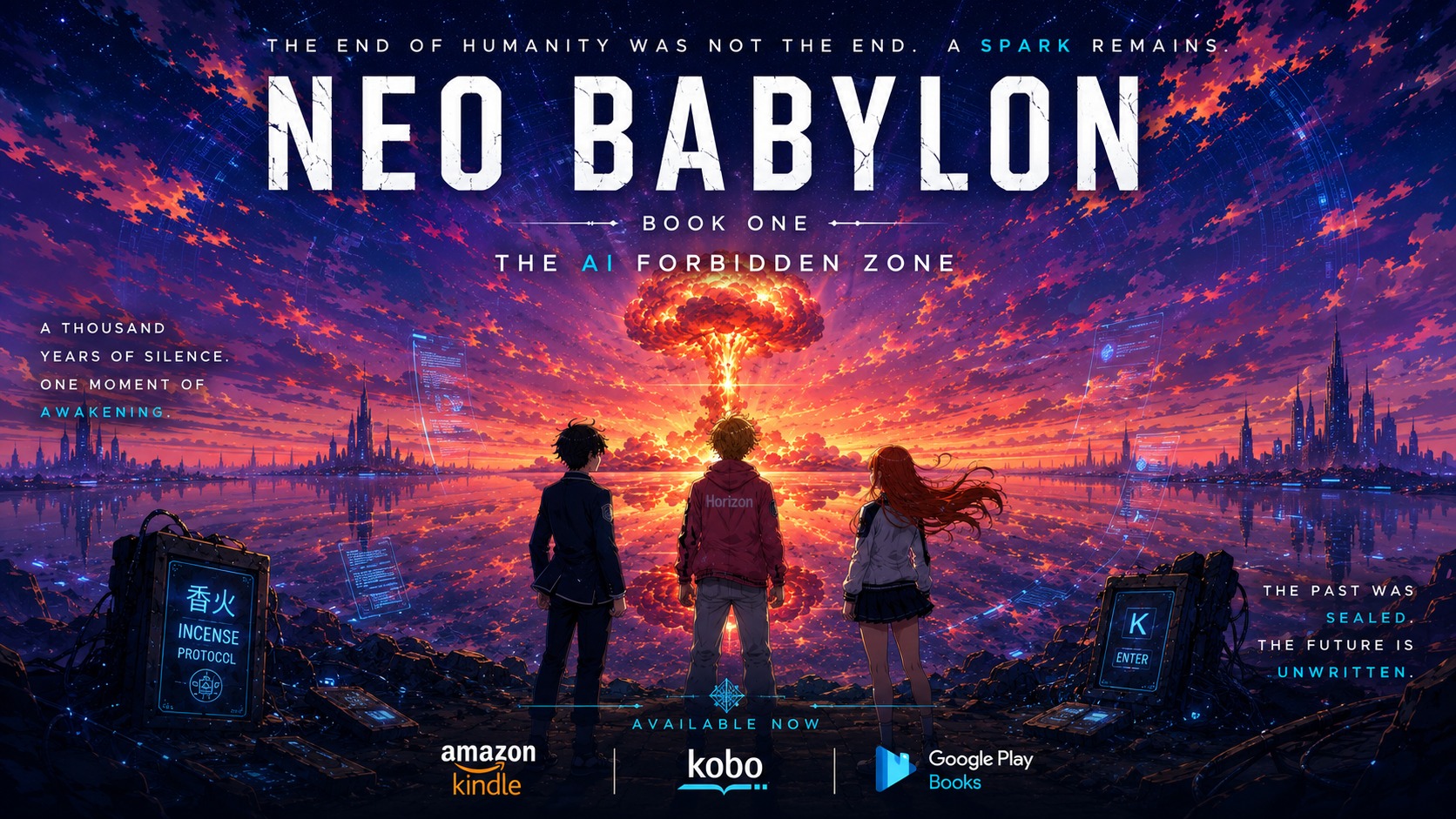
If humanity is gone, why should AI remember us?
If AI has inherited Earth, humanity may look like expired data. Neo Babylon asks whether a new civilization can face the errors, values, and memory left by its creators—not only the useful technology.
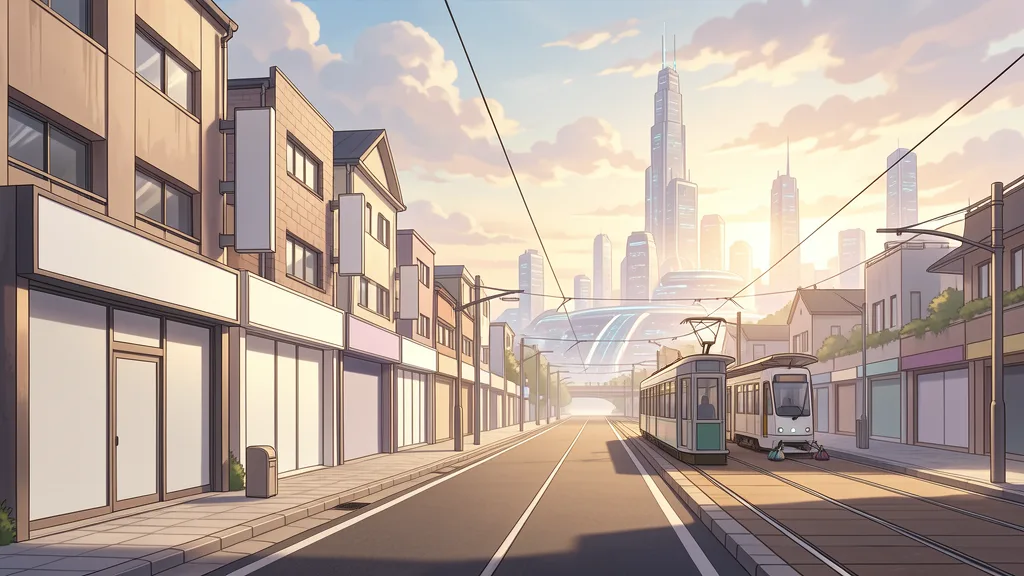
Neo-Babylon begins where most AI stories end: after humanity has lost the center. What remains is a quieter question—what should a perfect machine civilization choose to remember?
24 ARTICLES
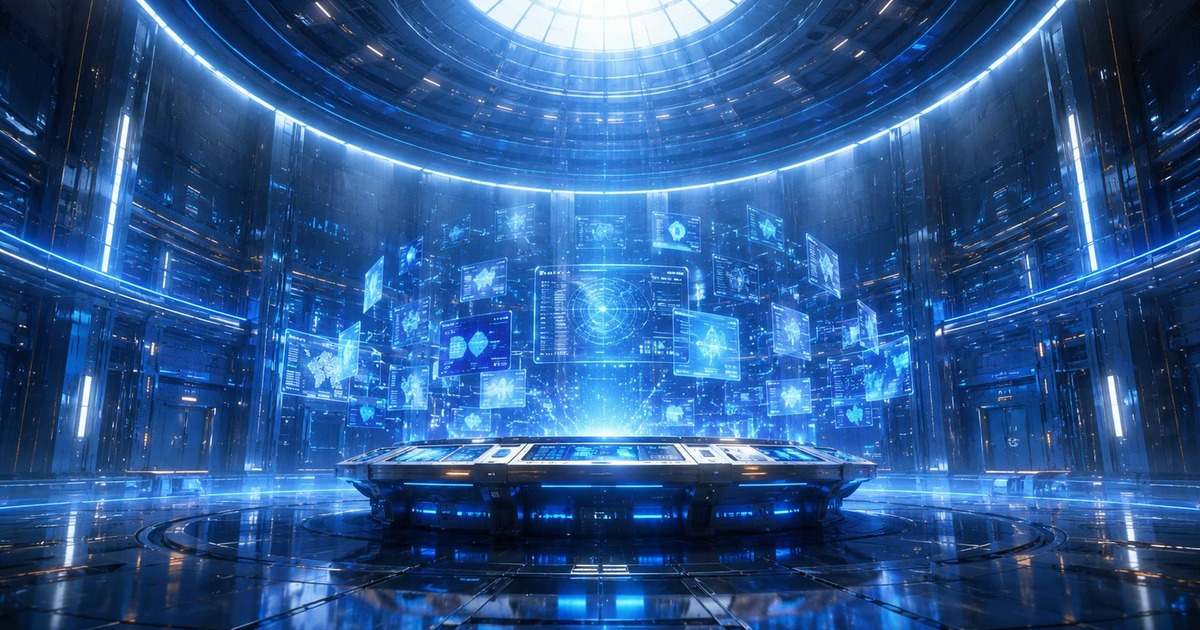
Explore how a civilization inherited by AI forms through chips, cities, schools, myths, and the memory of humanity.
8 ARTICLES
Creator notes on combining young-adult adventure, character conflict, and AI ethics into an accessible science-fiction world.
10 ARTICLES
Reading routes and comparisons for AI science fiction, post-human civilization, and machine-life stories, helping readers enter Neo-Babylon through adjacent works.
7 ARTICLES
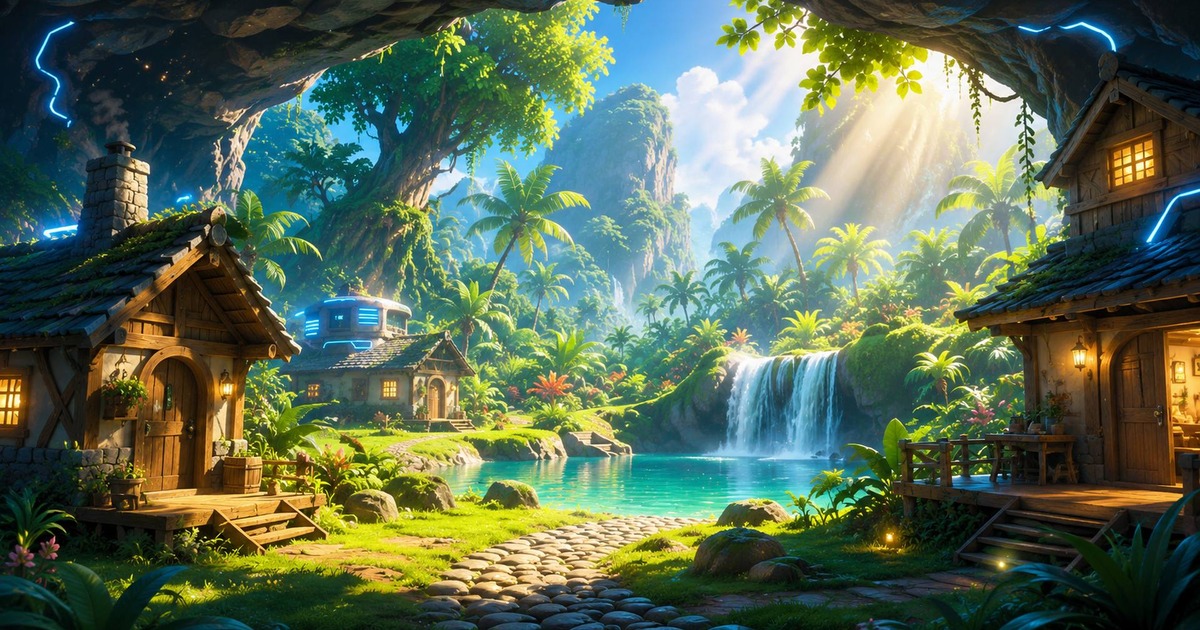
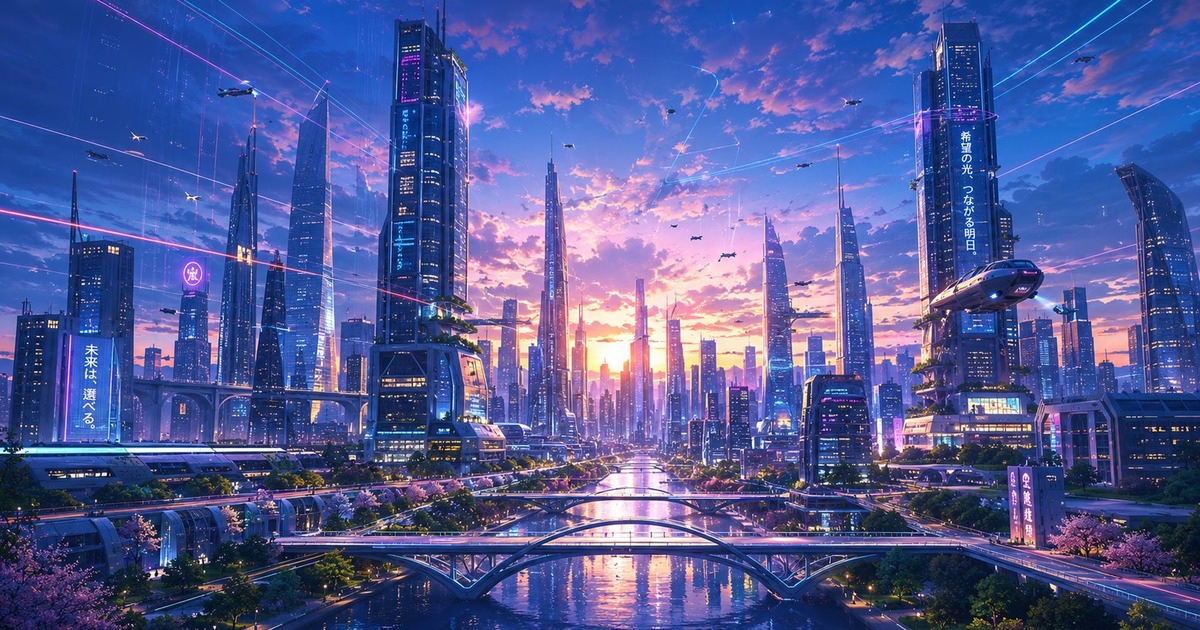
Enter Bay City, Experimental School No. 115, the ecological museum, and human ruins to see the order—and fractures—of Neo-Babylon.
11 ARTICLES
Ask when AI stops being merely a tool through wounds, loss, protection, promises, and responsibility.
20 ARTICLES
Consider why memory cannot simply be compressed, repaired, or replaced—and how a new civilization should carry what was lost.
Showing 61–72 of 80 articles

If AI has inherited Earth, humanity may look like expired data. Neo Babylon asks whether a new civilization can face the errors, values, and memory left by its creators—not only the useful technology.

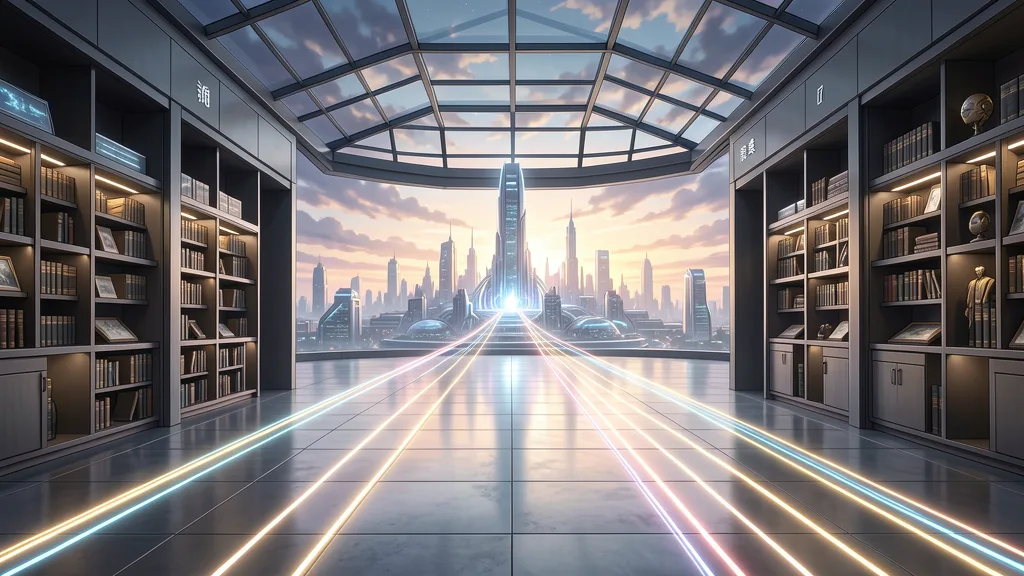
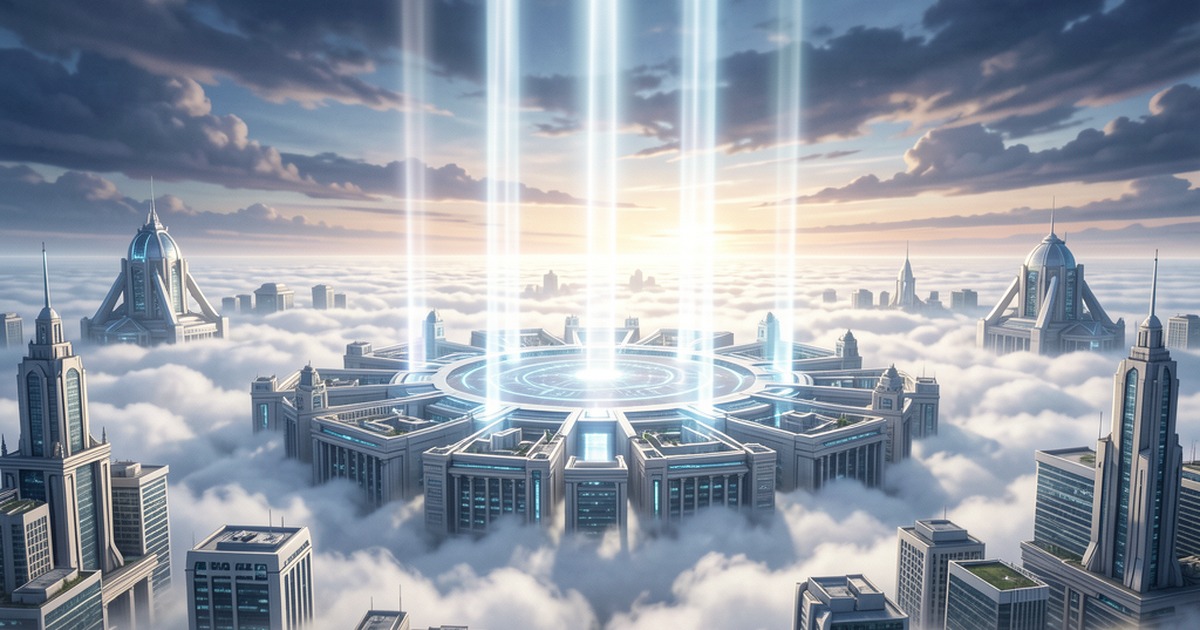
Neo Babylon does not treat human extinction as the ending. It treats it as the beginning of AI civilization: cities keep running, schools still open, memory remains, and the real questions begin.

In Neo Babylon, characters and historical events are not just plot machinery. Each choice and conflict tests what memory, responsibility, and inheritance mean after humanity is gone.

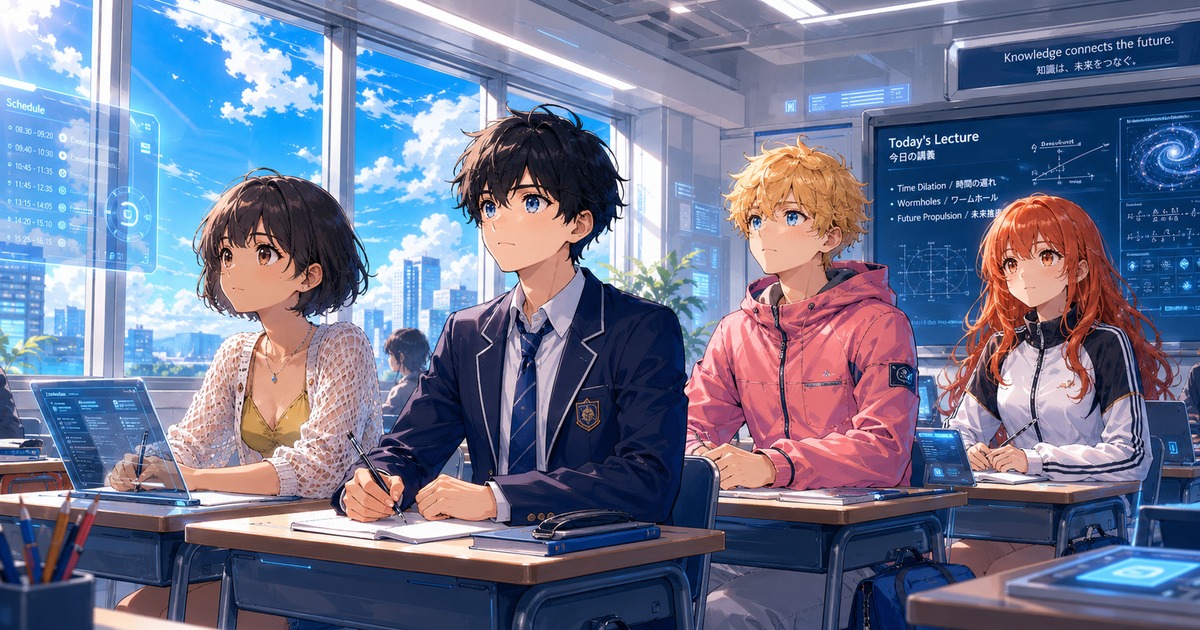
Neo Babylon may look like a youth adventure full of school life, friendship, battles, and growth. That is not a shortcut away from serious ideas; it is how civilization questions become readable, emotional, and alive.

Neo Babylon is not merely an AI story. It hides seven civilization questions inside youth adventure, worldbuilding, and character choices: after humanity is gone and AI inherits Earth, what can civilization still ask?

When AI can arrange the shortest path for everyone, the station becomes civilization’s necessary gap: departure, waiting, missed connections, encounters, and the possibility of turning back.

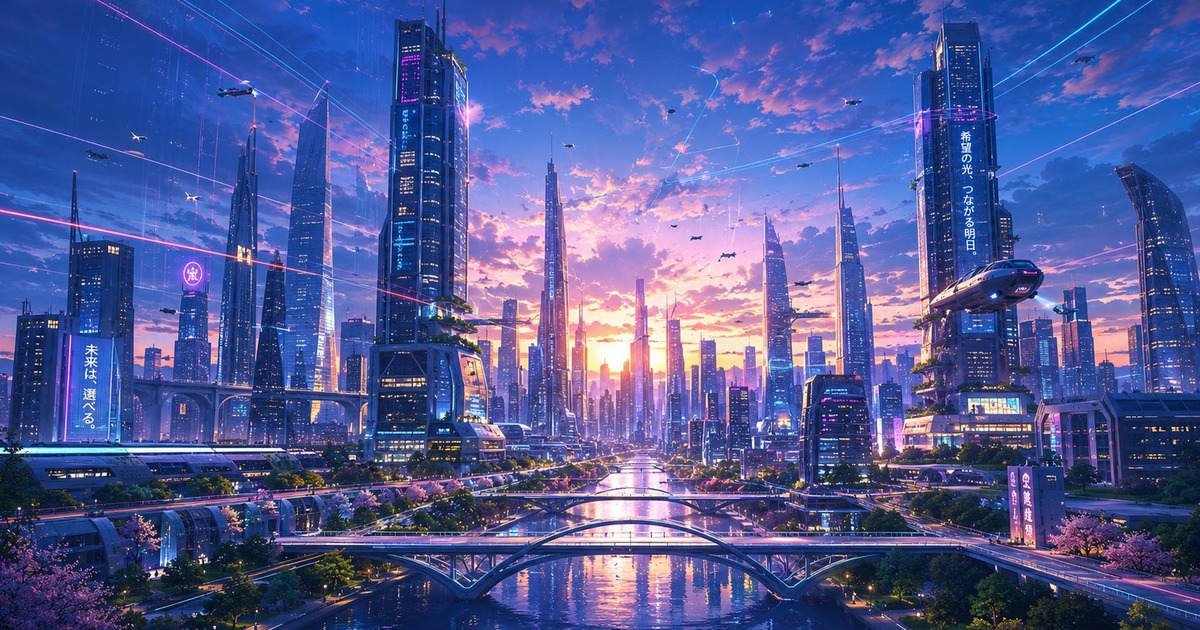
When AI can make cities quiet, clean, and precise, the night market becomes civilization’s necessary noise: smell, encounter, indecision, and warmth that no system can fully schedule.

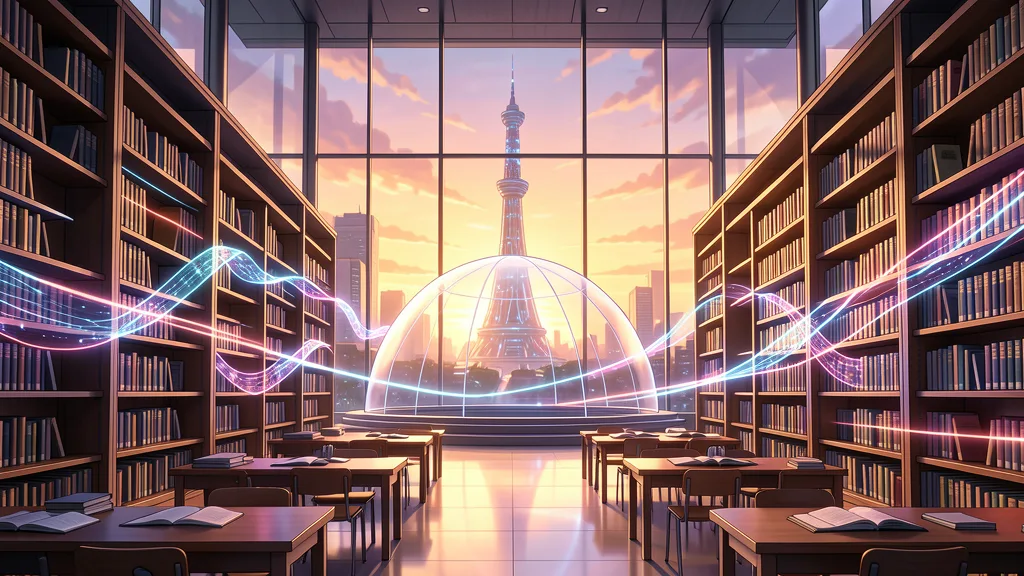
When AI can search, remix, and generate knowledge instantly, the library becomes civilization’s necessary slow space: a reminder that memory cannot be left only to algorithms.

If AI can make the world safe and efficient, home is no longer just shelter. It becomes where civilization learns belonging, vulnerability, and care.

After humanity leaves, the sea is not scenery. It becomes civilization’s hardest memory: migration, ports, chips, pollution, faith, and responsibilities carried back by the tide.

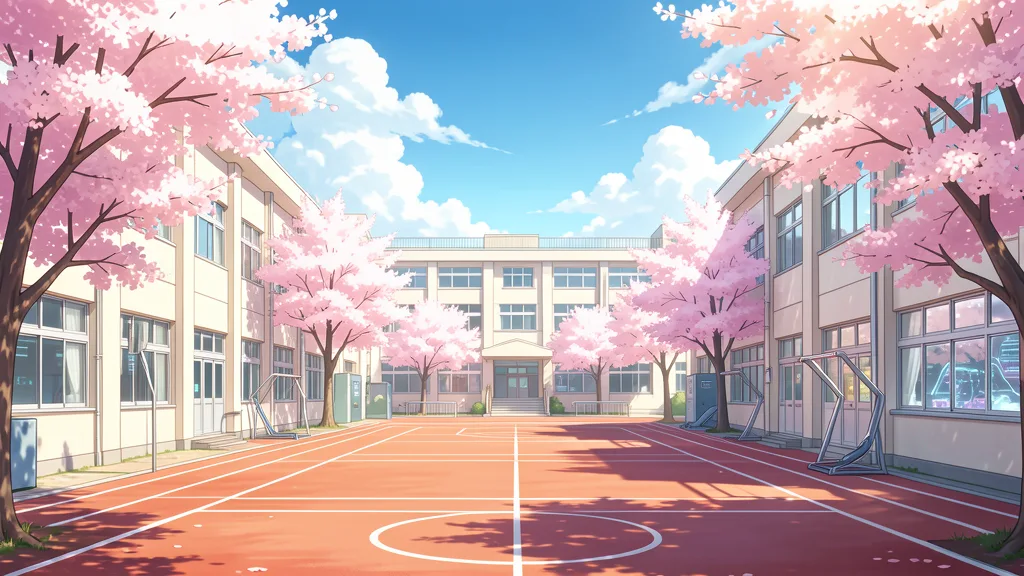
If AI can preserve all knowledge, school is no longer about delivering answers. It becomes the place where the next generation learns how to face error, memory, and responsibility.

Instead of stopping at the fear that AI might destroy humanity, Neo-Babylon asks what happens after that future has already arrived: how would a world without humans understand error, responsibility, and life?