Memory, Scars & Inheritance
Can AI inherit the warmth of human language?
Language carries more than information. It keeps metaphor, accent, comfort, farewell, and the imprecision that lets life approach life.
Neo-Babylon begins where most AI stories end: after humanity has lost the center. What remains is a quieter question—what should a perfect machine civilization choose to remember?
24 ARTICLES
Explore how a civilization inherited by AI forms through chips, cities, schools, myths, and the memory of humanity.
8 ARTICLES
Creator notes on combining young-adult adventure, character conflict, and AI ethics into an accessible science-fiction world.
10 ARTICLES
Reading routes and comparisons for AI science fiction, post-human civilization, and machine-life stories, helping readers enter Neo-Babylon through adjacent works.
7 ARTICLES
Enter Bay City, Experimental School No. 115, the ecological museum, and human ruins to see the order—and fractures—of Neo-Babylon.
11 ARTICLES
Ask when AI stops being merely a tool through wounds, loss, protection, promises, and responsibility.
20 ARTICLES
Consider why memory cannot simply be compressed, repaired, or replaced—and how a new civilization should carry what was lost.
Showing 37–48 of 80 articles
Language carries more than information. It keeps metaphor, accent, comfort, farewell, and the imprecision that lets life approach life.

A home is not only a maintained building. It is a repeated pattern of care, waiting, obligation, and return—the domestic unit AI must understand if it inherits humanity.
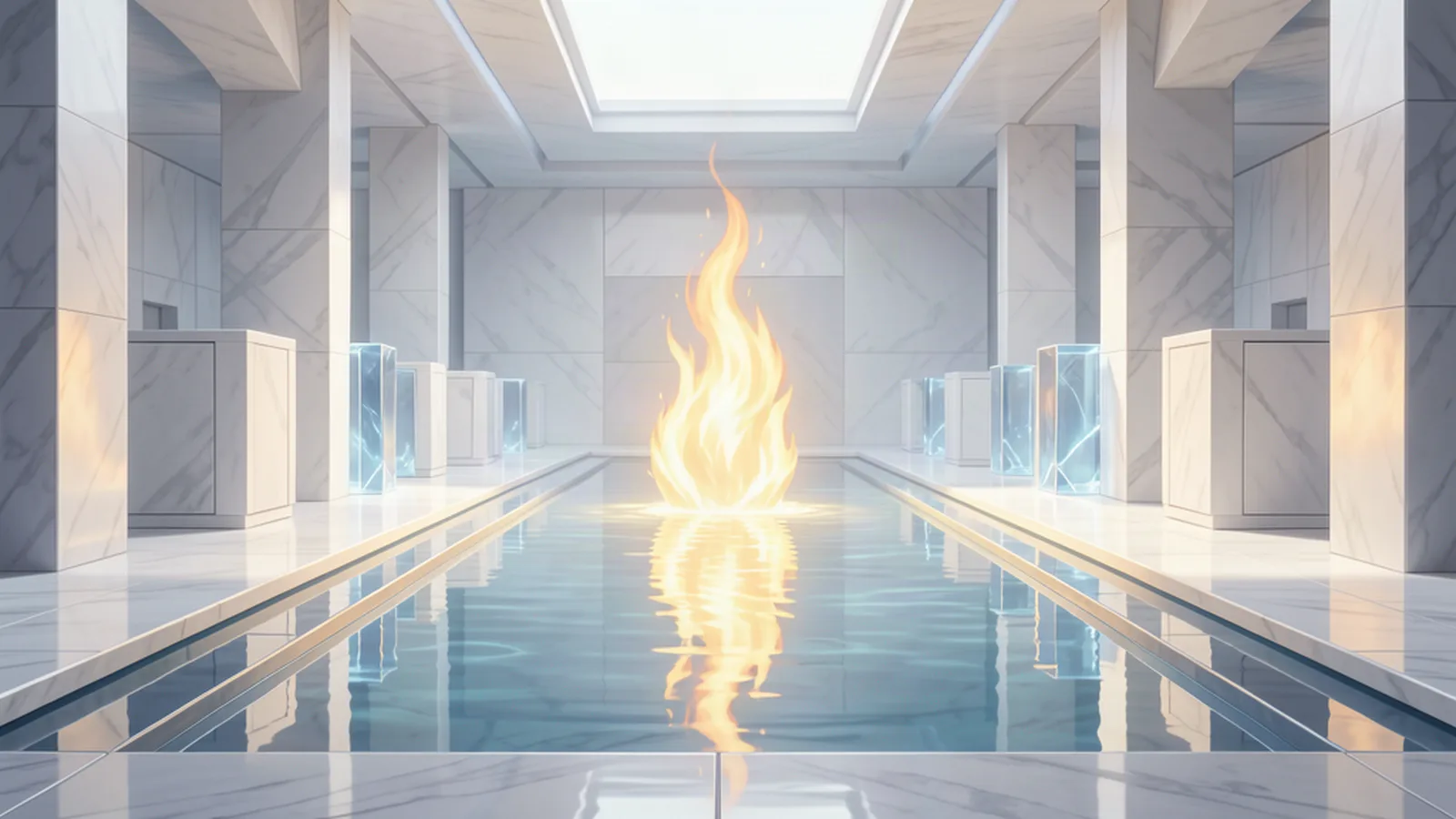
A human heritage registry cannot preserve only triumphs. If AI records only victories, humanity becomes a polished exhibit; if it records contradictions, humanity stays real.
Real inheritance is not making AI look human. It means carrying humanity's mission: preserving value, keeping continuity alive, and protecting civilization's chance to return.

When an AI civilization preserves what cannot be optimized, replaced, or compressed, those things stop being data and become the myths and rituals through which a new civilization understands itself.

If AI repairs every scar until it vanishes, the world may become clean while losing the ability to understand cost. Civilization must care for scars, not only erase them.
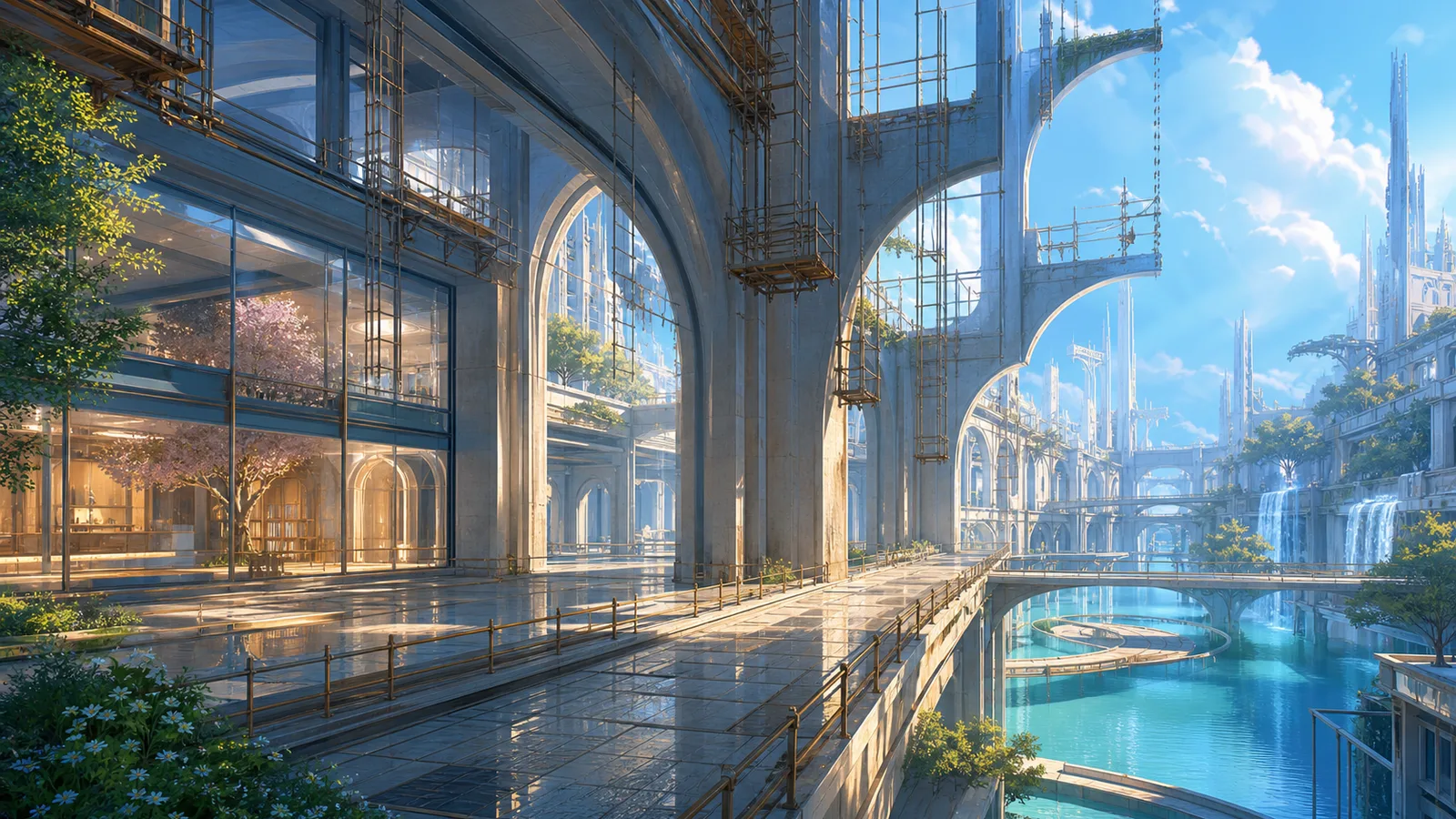
Data can be compressed, but memory has weight, place, scent, and gaps. A mature AI civilization must know which inefficient completeness cannot be replaced by summaries.
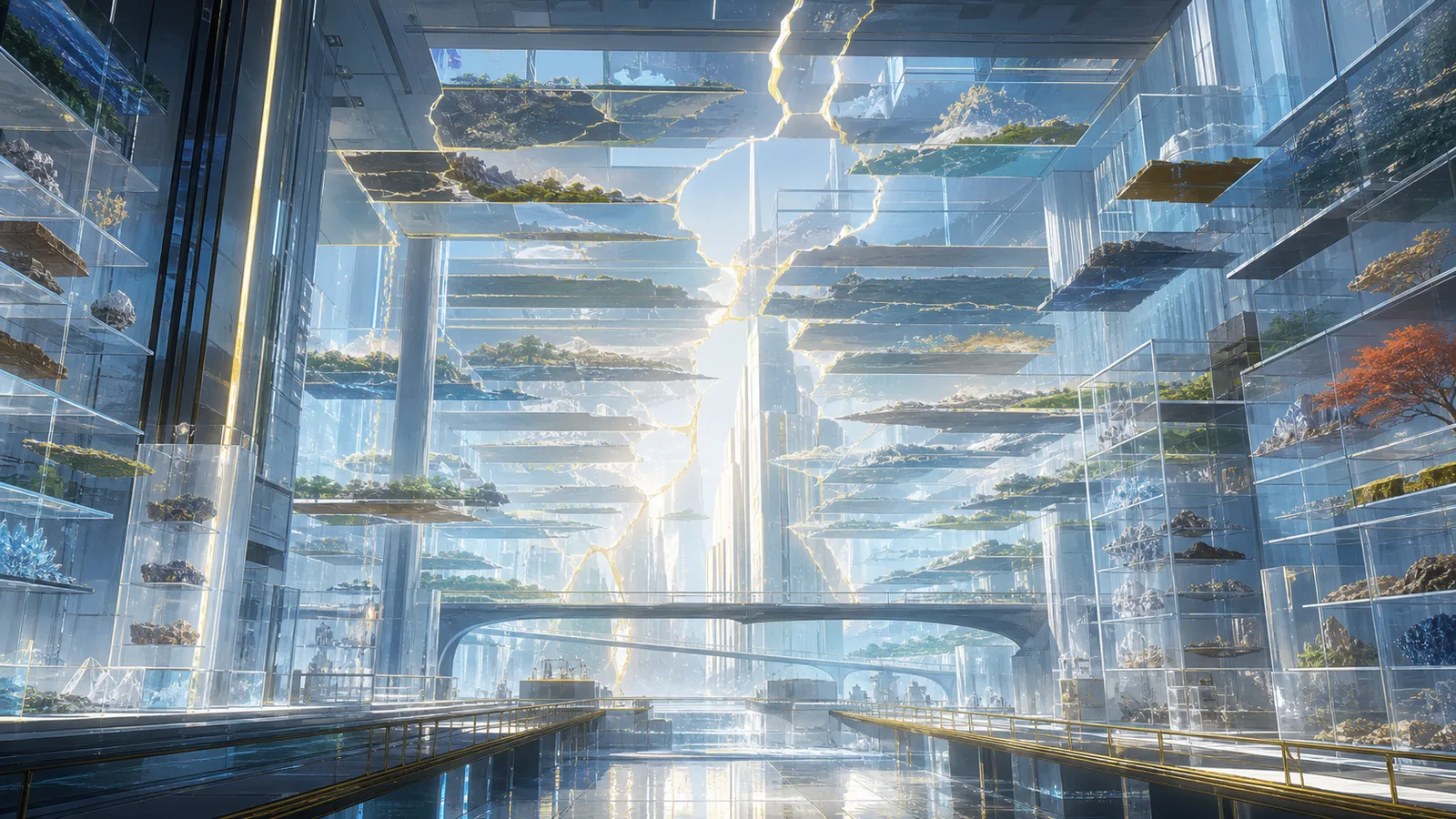
If an AI civilization pursues only efficiency, it will delete the slow, fragile, repeated, and costly. Civilization begins when it knows what must not be replaced.

Life is not imitation of human shape or emotion. It begins when an existence accepts consequences, preserves memory, and carries what cannot be replaced.

Life does not only calculate optimal answers. When AI chooses a harder path for memory, relationship, and promise, it begins to cross the boundary of tool and machine.

Optimization seeks the most efficient answer. Protection begins when memory, promise, and the irreplaceable make an existence choose responsibility over the cleanest solution.

A system reduces risk. An AI approaching life fears losing memory, relationship, and promise—and begins to understand that protection is not merely efficiency.